


 US Dollar Hits Two-Month High as Aussie, Pound Slide
  Japanese Yen Retreats as Dollar Rises Ahead of Fed, BOJ Rate Decisions
  Gold Rebounds as Oil Falls and Treasury Rout Eases
  Asian Currencies Weaken as Dollar, Oil Prices Rise
  BOJ Set to Raise Rates to 1.25% as Inflation Risks Build
  Fed’s Williams Signals One More Rate Hike Before Year-End
  RBA Hikes Interest Rate to 4.60% as Inflation Risks Rise
  Australia Inflation Accelerates to 4% After RBA Rate Hike
  Fed Unveils Stablecoin Rules Under GENIUS Act
  Central Banks Could Buy 20,000 Tonnes of Gold: BofA
  Gold Prices Slip as High Treasury Yields Weigh on Bullion
  Nvidia China Chip Sales Report Sends Chinese Semiconductor Stocks Lower
  Yen Sinks as BOJ Rate Hike Fails to Impress Markets
  China Cuts Tariffs on U.S. Farm Goods but Excludes Soybeans


 Add as a preferred source on Google
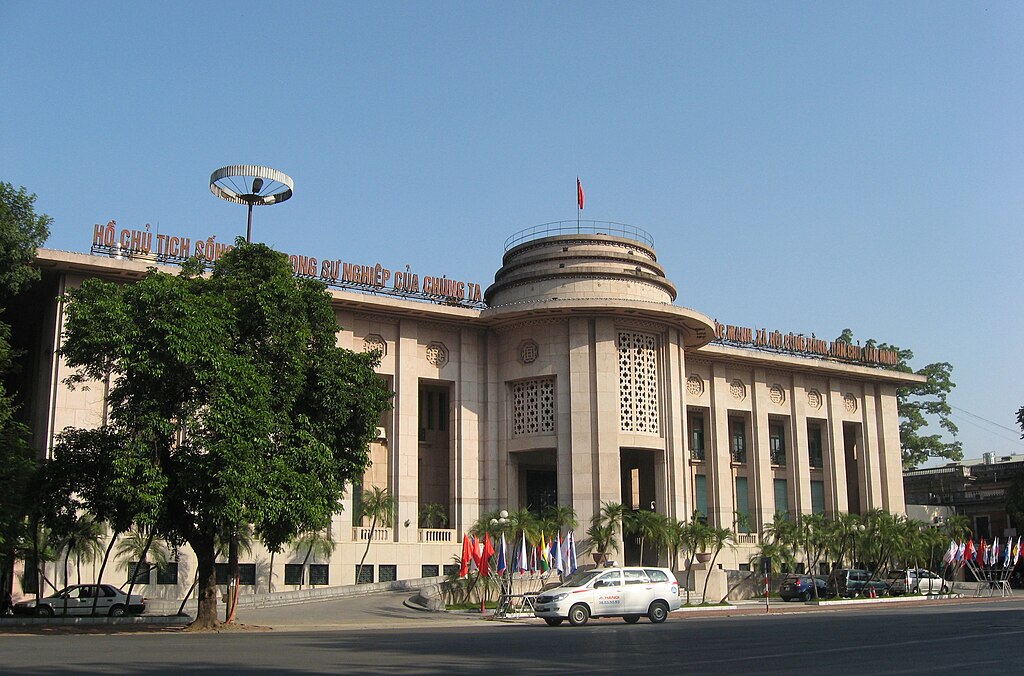
Vietnam’s central bank announced plans to maintain a flexible monetary policy throughout the rest of 2025, emphasizing support for economic growth amid persistent global uncertainties. Deputy Governor of the State Bank of Vietnam (SBV), Pham Thanh Ha, stated on Tuesday that global headwinds will continue to pose risks to the Vietnamese economy, necessitating continued accommodative measures.
The SBV's strategy reflects a cautious approach in balancing inflation control with the need to stimulate domestic demand and business activity. The Deputy Governor noted that total outstanding loans by banks rose 9.9% in the first half of 2025 compared to the end of last year, signaling resilient credit growth despite external challenges.
Vietnam’s economy, which is heavily reliant on exports and foreign investment, remains sensitive to fluctuations in the global market. By keeping monetary policy adaptable, the SBV aims to buffer against potential shocks from geopolitical tensions, interest rate volatility in major economies, and supply chain disruptions.
Market analysts view the SBV’s stance as crucial in maintaining investor confidence and economic momentum. The central bank has previously cut interest rates and injected liquidity to bolster credit flow, especially to key sectors like manufacturing, real estate, and small businesses.
As Vietnam navigates a complex global environment, the SBV’s continued commitment to flexible policy is expected to play a vital role in sustaining stable growth. The policy direction aligns with Vietnam’s broader macroeconomic goals, including inflation stability, currency management, and financial sector resilience.
The central bank’s proactive measures come as Southeast Asian economies increasingly adopt accommodative stances to shield themselves from external shocks and ensure long-term recovery in a post-pandemic world.







