


 US Adds European Union to Section 301 Watchlist Amid Trade Concerns
  Rubio Approves $25.8 Billion Weapons Sale to Middle East Allies
  Senate Stablecoin Bill Sparks Clash Between Banks and Crypto Industry
  Trump Administration Releases New UFO Files and Apollo Mission Records
  US Sanctions Target Iran’s Shadow Banking Network and Terror Financing
  Vietnam Plans AI-Driven Propaganda Push With Influencers and Podcasts
  Trump Reportedly Approves Plan to Remove FDA Commissioner Marty Makary Amid Growing Controversies
  Trump-Xi Beijing Summit to Focus on Trade, Taiwan, and Boeing Deal
  Trump Inspects Lincoln Memorial Reflecting Pool Renovation in Washington
  Google Secures Pentagon AI Deal for Classified Projects
  Lula and Trump Talks Signal New Phase in Brazil-US Relations
  US Launches Retaliatory Strikes on Iran Amid Rising Strait of Hormuz Tensions
  Ukraine-Russia Ceasefire Confirmed as Prisoner Swap Deal Advances
  China Banks Halt New Loans to Sanctioned Refineries Amid U.S.-Iran Oil Crackdown
  Panama Defends Port Takeover Amid U.S.-China Tensions and Canal Dispute
  Russia Downs Over 50 Drones Near Moscow Ahead of Victory Day Ceasefire
  Ghana Rejects U.S. Health Deal Over Data Sharing Concerns Amid Foreign Aid Shift


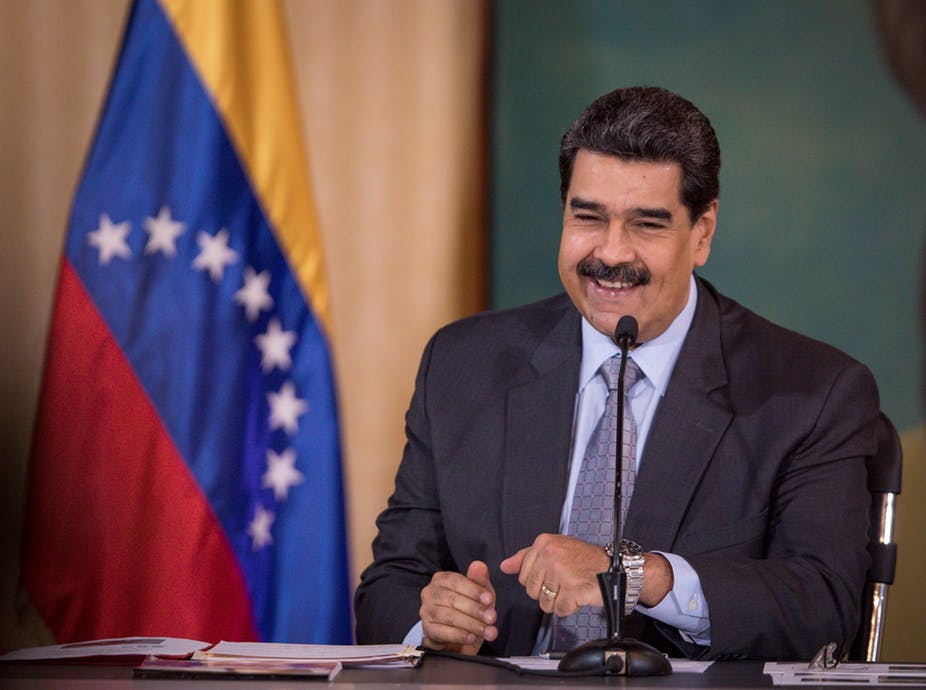
Venezuelan President Nicolas Maduro announced on Tuesday that he had signed a new economic emergency decree aimed at stabilizing the country's struggling economy. Speaking during a televised conference, Maduro emphasized that the measure was necessary to protect Venezuela’s financial system from the adverse effects of rising international tariffs and the revocation of critical trade licenses. The decree is currently pending approval from the National Assembly.
The move comes as Venezuela continues to face significant economic challenges, including hyperinflation, currency devaluation, and international sanctions. Maduro stated that the decree is designed to preserve the country’s economic balance by granting the government additional authority to respond quickly to external economic pressures.
While Maduro did not provide detailed measures included in the decree, he stressed its importance in shielding Venezuela from what he described as economic attacks. The emergency powers, once approved, would enable the government to implement rapid policy changes to support national industries, stabilize the currency, and maintain essential public services.
Analysts note that the decree could be a response to increasing international isolation, particularly as the U.S. and other countries tighten sanctions and suspend licenses that allow Venezuela to trade oil and other commodities. These restrictions have severely limited the country’s access to global markets, worsening its economic downturn.
Critics argue that similar decrees in the past have led to greater state control without resolving the underlying economic issues. However, supporters of the government believe this step is crucial to counteract foreign interference and regain economic sovereignty.
As Venezuela awaits the National Assembly’s decision, the country’s economic outlook remains uncertain. The decree, if enacted, could mark a pivotal moment in how the Maduro administration manages ongoing financial instability amid global pressure.







