


 GM Canada Workers Approve C$1.1 Billion Investment Deal
  MediaTek Shares Jump 10% on Nvidia’s $3.5 Billion Investment
  Nvidia Pauses AI Cloud Financing Deals Amid Antitrust Concerns
  Meta, U.S. States Discuss Settlement in Teen Addiction Trial
  SK Hynix Shares Fall as Workers Reject Wage Deal
  Nvidia Options Price in $280 Billion Earnings Swing
  HP Stock Drops 9% Despite Q3 Earnings Beat and Raised 2026 Outlook
  Faraday Future Delivers First Robots in Middle East, Plans September Launches
  PayPal Shares Sink as $50 Billion Takeover Bid Collapses
  Google Expands Gemini Enterprise With AI Tools for Legal Sector
  Trump Buys SpaceX Shares After Record IPO
  OpenAI Rejects Apple Trade Secret Theft Claims
  Apple’s Phil Schiller Steps Back as Leadership Shake-Up Accelerates
  Street Poller Media and The Boom of the Street Interview Ad Industry
  U.S. Probes Apex Logistics Over Nvidia AI Chip Shipments to China
  Trump Says ExxonMobil Among Oil Majors Planning Venezuela Return


 Add as a preferred source on Google
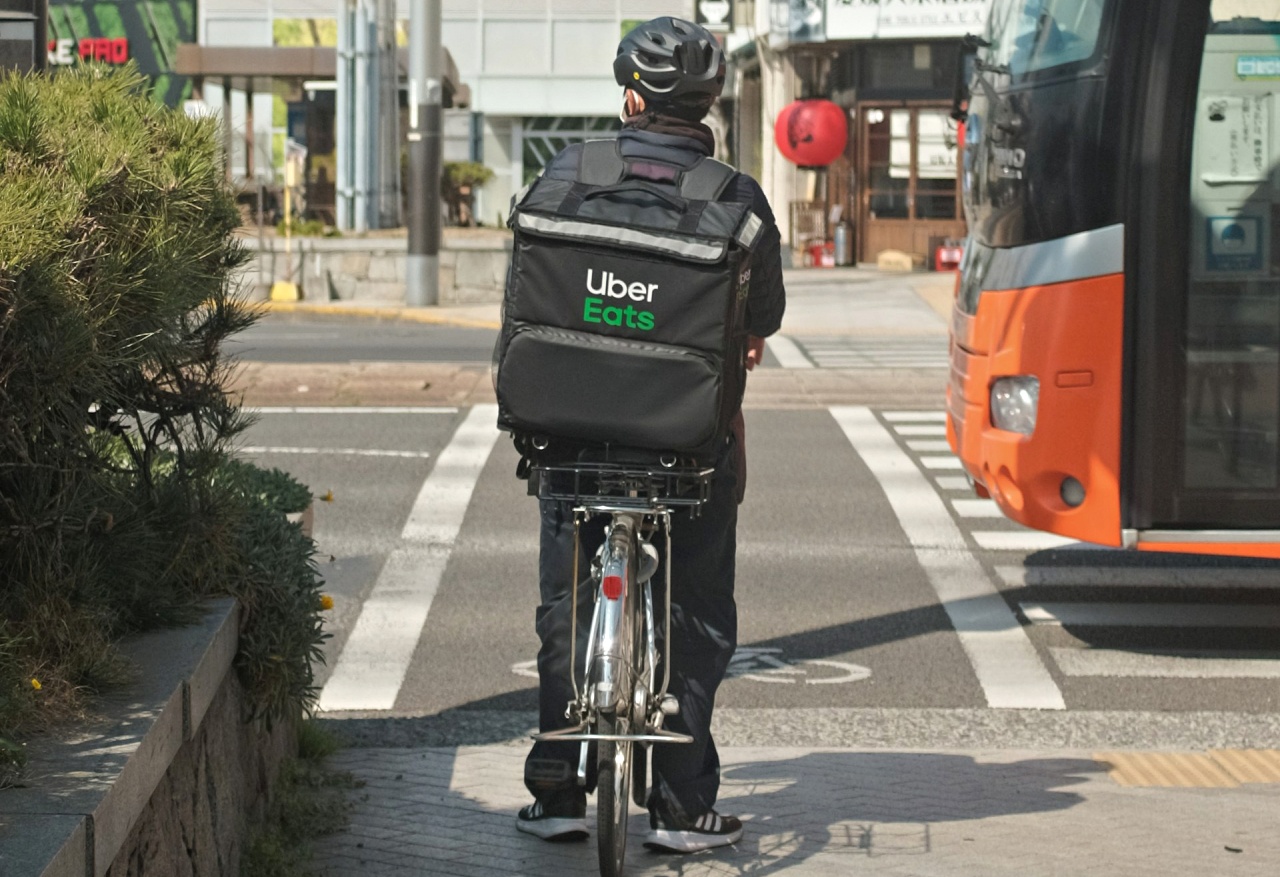
On Tuesday, Feb. 20, Uber Eats announced that it is rolling out self-driving delivery robots in Japan. For this, its parent company, Uber Technologies, Inc., said it is teaming up with Mitsubishi Electric and Cartken robotics firm for the project.
Uber said that its online food ordering and delivery platform will start delivering food orders using self-driving robots nationwide. The machines will navigate the sidewalks when transporting orders to homes and other locations.
Autonomous Delivery Kick-off Date
According to CNBC, Uber Eat said it had scheduled the deployment of its sidewalk robot deliveries for the last week of March. However, the companies said the initial launch will only cover some selected areas in Tokyo.
The food delivery unit of Uber added that Japan is its first international site for its autonomous robot delivery operations. It was noted that Uber Eats operations were limited to just a few cities in the United States.
Partnership with Mitsubishi and Cartken
The use of delivery robots in Japan indicates the latest effort shared by Uber Eats and Cartken, which already offer sidewalk robot deliveries in U.S. states such as Miami and Fairfax, Virginia. In other cities in the region, Uber Eats joined forces with Nuro, Motional, and Serve Robotics to start the autonomous delivery operations.
“This collaboration signifies a leap forward in redefining the future of food delivery, making it more accessible and sustainable to consumers in Japan,” Cartken’s co-founder and chief operating officer, Anjali Jindal Naik, said in a statement.
On the other hand, Mitsubishi Electric’s senior general manager of the Advanced Application Development Center, Development Division, Shoji Tanaka, said that the robot delivery services are “considered to be an effective countermeasure to the logistics crisis that will become more serious in the future.”
Tanaka added, “We hope that this newly announced initiative will serve as a catalyst for the spread of robot delivery services in Japan. In the future, we will work with buildings and factory infrastructure, which is one of our strengths, so autonomous robots will be able to deliver inside various facilities.”







