


 Dollar Slips as Strong U.S. Jobs Data Reduces Fed Rate Cut Expectations
  US-Iran Ceasefire Under Pressure as Fresh Strait of Hormuz Clashes Shake Oil Markets
  Russia Downs Over 50 Drones Near Moscow Ahead of Victory Day Ceasefire
  Pope Leo Calls for Peace as Vatican Seeks Better Ties With U.S.
  Wall Street Futures Slip After Record Rally Fueled by Iran Peace Hopes and AMD Surge
  Asian Stocks Slide as Iran Tensions Escalate Despite Strong Weekly Gains
  European Stocks Fall as US-Iran Conflict Rekindles Energy Supply Fears
  White House Withdraws Trump’s National Park Service Nominee Amid Criticism
  Israel Expands Gaza Restricted Zones, Raising Concerns for Civilians and Aid Access
  U.S. Sanctions Former DR Congo President Joseph Kabila Over Rebel Support
  Australia Launches Public Hearings on Bondi Beach Shooting and Rising Antisemitism
  FEMA Reinstates Employees After Dissent Letter, Signaling Shift in Workforce Stability
  China-Made Fireworks Power U.S. Independence Day Celebrations Amid Trade Truce
  Russian LNG Shadow Fleet Expands Amid Arctic LNG 2 Sanctions
  Ukraine-Russia Ceasefire Confirmed as Prisoner Swap Deal Advances
  Israel’s Secret Iraq Base Allegedly Supported Iran Air Campaign, WSJ Reports
  New York Moves to Ban Masked Law Enforcement During Immigration Operations


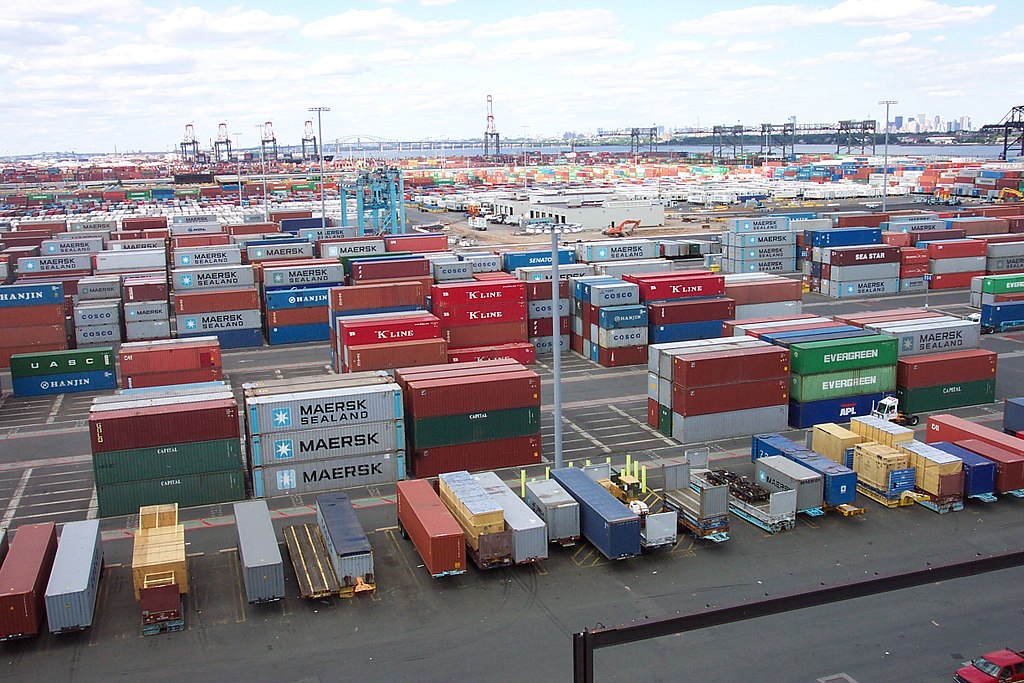
The United States will lower import tariffs on South Korean automobiles to 15%, a change that will apply retroactively to November 1, according to Commerce Secretary Howard Lutnick. The adjustment aligns U.S. duties with the reciprocal tariffs recently imposed on Japan and the European Union, signaling Washington’s intent to maintain balanced and mutually beneficial trade relationships with key global partners.
Lutnick shared the update in a message posted on X, noting that the tariff reduction follows last month’s announcement of a new trade agreement between the U.S. and South Korea. The move also comes in response to South Korea’s introduction of legislation aimed at implementing investment commitments tied to the bilateral deal. By lowering duties, the U.S. aims to strengthen economic cooperation, support industry competitiveness, and encourage increased automotive trade between the two nations.
Industry analysts expect the tariff cut to create a more favorable environment for South Korean automakers looking to expand their footprint in the American market. Companies such as Hyundai and Kia, which already maintain strong U.S. sales, could benefit from reduced import costs that may translate into more competitive pricing for American consumers. The decision also reinforces the broader strategic partnership between Washington and Seoul, particularly at a time when global supply chains and trade alliances are undergoing rapid transformation.
The retroactive nature of the tariff reduction underscores the administration’s commitment to ensuring a seamless implementation of the new agreement. As both countries move forward with their respective legislative and regulatory steps, experts anticipate deeper collaboration across key sectors, including manufacturing, technology, and energy. The updated tariff framework ultimately positions the U.S. and South Korea to capitalize on shared economic opportunities while maintaining fair and balanced trade practices.







