


 Russian Drone Strike on Odesa Injures Civilians and Damages Key Infrastructure
  Man Charged in Alleged Trump Assassination Attempt at White House Correspondents’ Dinner
  White House Dinner Shooting Sparks Security Concerns and Succession Discussions
  Trump Signals Prolonged Blockade Strategy Against Iran Amid Rising Tensions
  Trump Skeptical of Iran Hormuz Proposal as Nuclear Talks Stall
  White House Defends Trump’s FIFA Peace Prize Amid Global Criticism
  U.S. Envoy Julie Davis to Retire Amid Ukraine War Diplomacy Challenges
  Trump-Iran War Strategy: U.S. Intelligence Weighs Risks of Declaring Victory
  Trump Administration Dismisses Entire National Science Board, Sparking Debate Over Scientific Independence
  Trump Meets King Charles: “Two Kings” Moment Sparks Debate on Presidential Power
  US Envoy Urges Taiwan to Approve Defense Budget Amid Rising China Tensions
  Republican Lawmakers Urge National Guard Role for World Cup Drone Security
  U.S. and EU Strengthen Critical Minerals Partnership to Reduce China Dependence
  King Charles and Queen Camilla Visit the U.S. Amid Political Tensions and Historic Milestone
  US Sanctions Target Iran’s Shadow Banking Network and Terror Financing
  Trump Urges Iran to Call for Talks as War Stalemate Disrupts Oil Markets
  Ghana Rejects U.S. Health Deal Over Data Sharing Concerns Amid Foreign Aid Shift


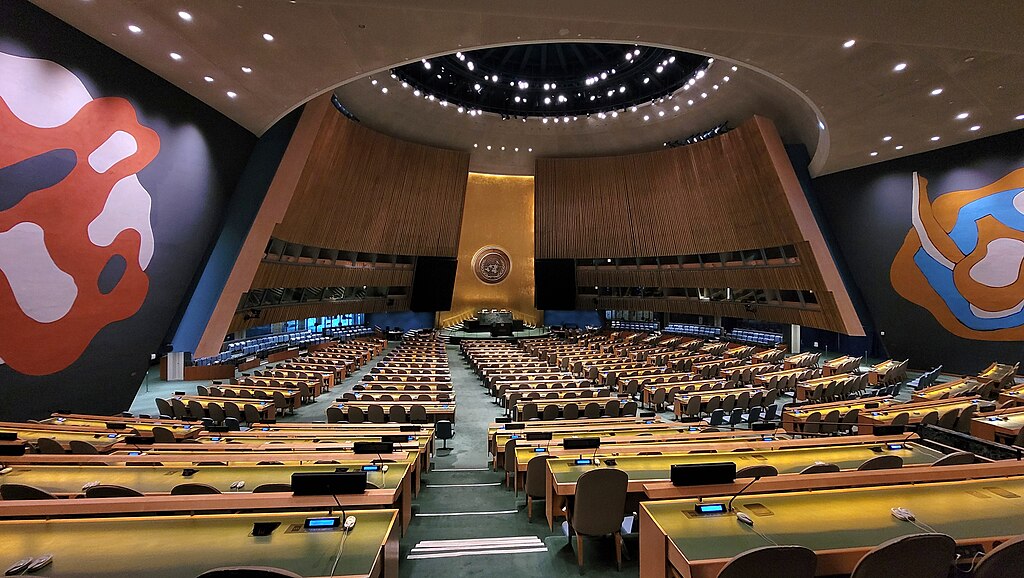
The United States is reportedly linking the release of billions of dollars in unpaid contributions to the United Nations (UN) to a set of reform conditions aimed at improving efficiency and reducing costs, while also addressing concerns about China’s growing influence within the organization. According to a report by Devex, a global development news outlet, U.S. diplomatic communications outlined nine “quick-hit” reforms as prerequisites for unlocking additional funding.
Among the proposed measures are significant structural and financial changes, including an overhaul of the UN pension system, restrictions on long-distance business-class travel for certain staff, and further reductions in senior-level positions. The U.S. is also pushing for a 10% cut in what it describes as long-standing and ineffective peacekeeping missions, signaling a broader effort to streamline operations and ensure better use of resources.
Another key proposal focuses on limiting China’s ability to direct tens of millions of dollars annually into a discretionary fund managed by the UN secretary-general’s office. This move reflects Washington’s intent to counterbalance Beijing’s influence at the global body and reshape how funds are allocated.
The U.S. has consistently emphasized the need for UN reform, especially after withdrawing from multiple UN agencies and reducing financial contributions in recent years. Despite repeated requests, neither the U.S. nor China’s UN missions have publicly commented on the latest developments.
UN spokesperson Stephane Dujarric reaffirmed that assessed contributions from member states, including the United States, are treaty obligations. He noted that Secretary-General Antonio Guterres is already leading substantial reform efforts aimed at improving efficiency and accountability.
The financial situation remains critical, with Guterres warning earlier this year of a potential “imminent financial collapse” due to unpaid dues. As of February, the U.S. owed more than $4 billion, including $2.19 billion for the regular budget and $2.4 billion for peacekeeping operations, making it the largest contributor to the UN’s funding shortfall.







