


 Ohio Man Indicted for Alleged Threat Against Vice President JD Vance, Faces Additional Federal Charges
  U.S.-India Trade Framework Signals Major Shift in Tariffs, Energy, and Supply Chains
  New York Legalizes Medical Aid in Dying for Terminally Ill Patients
  Trump Lifts 25% Tariff on Indian Goods in Strategic U.S.–India Trade and Energy Deal
  Trump’s Inflation Claims Clash With Voters’ Cost-of-Living Reality
  Pentagon Ends Military Education Programs With Harvard University
  Jack Lang Resigns as Head of Arab World Institute Amid Epstein Controversy
  TrumpRx.gov Highlights GLP-1 Drug Discounts but Offers Limited Savings for Most Americans
  Missouri Judge Dismisses Lawsuit Challenging Starbucks’ Diversity and Inclusion Policies
  TrumpRx Website Launches to Offer Discounted Prescription Drugs for Cash-Paying Americans
  Federal Judge Restores Funding for Gateway Rail Tunnel Project
  South Korea Assures U.S. on Trade Deal Commitments Amid Tariff Concerns
  Japan Election 2026: Sanae Takaichi Poised for Landslide Win Despite Record Snowfall
  Norway Opens Corruption Probe Into Former PM and Nobel Committee Chair Thorbjoern Jagland Over Epstein Links
  Trump Backs Nexstar–Tegna Merger Amid Shifting U.S. Media Landscape
  Trump Allows Commercial Fishing in Protected New England Waters
  Iran–U.S. Nuclear Talks in Oman Face Major Hurdles Amid Rising Regional Tensions


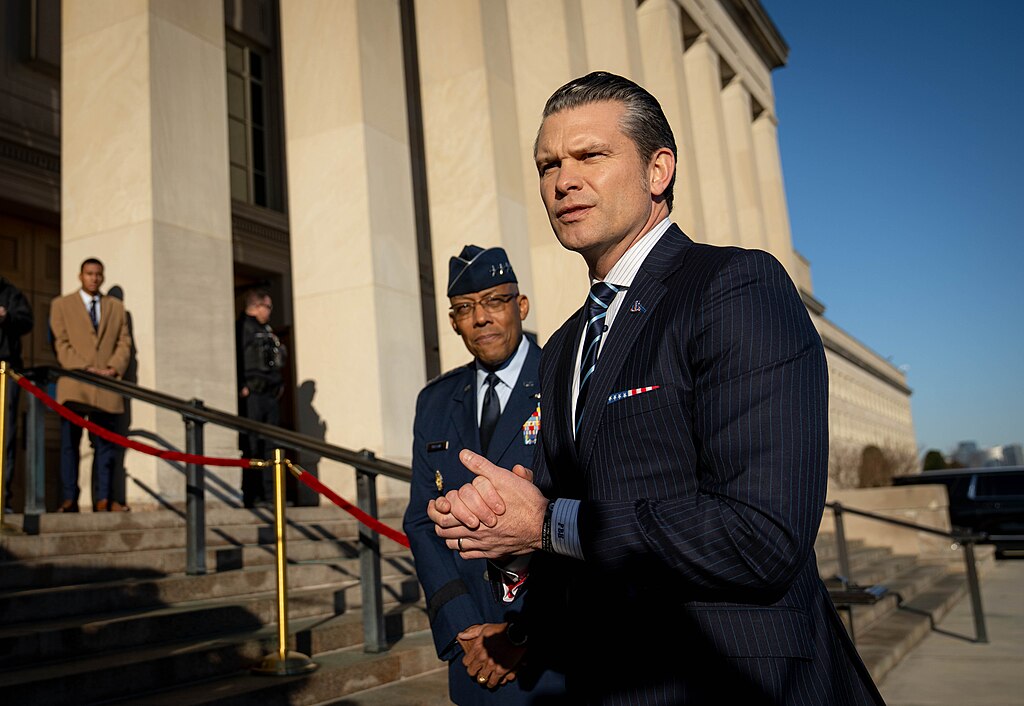
The United States has conducted 13 deadly strikes since September on vessels near Venezuela and in the eastern Pacific, killing more than 60 people, according to Defense Secretary Pete Hegseth. The U.S. claims the targeted boats were involved in drug trafficking, though no concrete evidence has been presented. The operations have ignited international backlash, with the United Nations and multiple governments condemning the actions as violations of international law.
UN Human Rights Chief Volker Türk labeled the strikes “unacceptable,” while Venezuela’s government denounced them as illegal acts of aggression and murder. President Nicolás Maduro accused former U.S. President Donald Trump of pursuing regime change under the guise of anti-narcotics operations—an allegation Trump has denied, despite reports of coordination with Venezuela’s opposition.
Since September, the U.S. has escalated its military presence in the Caribbean, deploying warships, a nuclear submarine, and the world’s largest aircraft carrier. In response, Venezuela has bolstered national defense, deploying tens of thousands of troops.
The list of strikes reveals a pattern of escalating violence. On September 2, 11 Venezuelans were killed in the first strike after the U.S. naval buildup. Later attacks throughout September and October killed dozens more, including alleged smugglers from Venezuela, Colombia, Ecuador, and Trinidad. Several nations, including Colombia and Ecuador, have disputed U.S. claims linking the victims to drug cartels. Colombian President Gustavo Petro refuted Hegseth’s assertion that one targeted vessel belonged to rebel forces, calling it “the property of a humble family.”
By November 4, at least 13 U.S. strikes had been carried out—many in international waters—raising questions about legality, transparency, and the human cost of Washington’s expanding Caribbean campaign. Critics argue the operations lack proof and accountability, intensifying diplomatic tensions across the Americas.













