


 Australia Targets Meta, Google, and TikTok With New News Payment Tax Proposal
  Israel’s Secret Iraq Base Allegedly Supported Iran Air Campaign, WSJ Reports
  China-Made Fireworks Power U.S. Independence Day Celebrations Amid Trade Truce
  Panama Defends Port Takeover Amid U.S.-China Tensions and Canal Dispute
  Judge Delays SEC Settlement With Elon Musk Over Twitter Stock Disclosure Case
  Oil Prices Rebound Slightly After Sharp Drop on Iran Deal Hopes
  Judge Rules DOGE Humanities Grant Cuts Unconstitutional
  Wall Street Futures Slip After Record Rally Fueled by Iran Peace Hopes and AMD Surge
  Gold Prices Rise as Weaker Dollar and U.S.-Iran Peace Hopes Boost Demand
  U.S.-China Beef Trade Deal Hopes Rise Ahead of Trump-Xi Summit
  US Revises UN Resolution on Iran Strait of Hormuz Attacks Amid Russia-China Opposition
  Iran Accuses U.S. of Violating Strait of Hormuz Ceasefire with Ship and Coastal Attacks
  Dollar Weakens as Iran Peace Hopes Boost Risk Appetite and Yen Gains Strength
  FEMA Reinstates Employees After Dissent Letter, Signaling Shift in Workforce Stability
  Trump Expands Cuba Sanctions Targeting Key Sectors and Foreign Entities
  Trump Announces Russia-Ukraine Ceasefire for May 9-11 Amid Ongoing Peace Talks
  US-Iran Ceasefire Under Pressure as Fresh Strait of Hormuz Clashes Shake Oil Markets


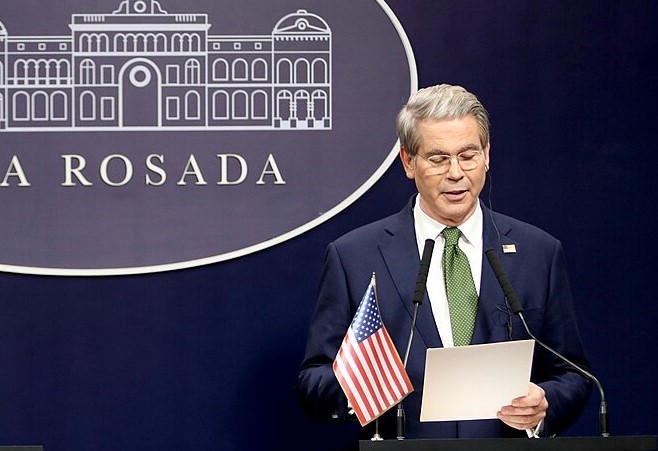
The United States may lift additional sanctions on Venezuela as early as next week to facilitate oil sales and economic stabilization, according to comments by U.S. Treasury Secretary Scott Bessent in an interview with Reuters. The move is part of the Trump administration’s broader strategy to revive Venezuela’s economy, stabilize the country, and encourage the return of U.S. oil producers following the recent arrest of Venezuelan leader Nicolas Maduro on drug trafficking charges.
Bessent said the Treasury Department is actively reviewing sanctions related to Venezuelan oil, particularly those affecting crude stored on ships. The goal is to allow oil sale proceeds to be repatriated back to Venezuela to fund government operations, security services, and public needs. While Bessent did not specify which sanctions could be lifted, he emphasized that changes could come quickly.
A major focus of the U.S. effort is unlocking Venezuela’s frozen International Monetary Fund Special Drawing Rights. Venezuela holds roughly 3.59 billion SDRs, valued at nearly $5 billion, which it has been unable to access due to sanctions. Bessent said the U.S. Treasury would be willing to convert these SDRs into U.S. dollars to help rebuild Venezuela’s economy. He is also scheduled to meet next week with the heads of the IMF and World Bank to discuss their potential re-engagement with the country.
U.S. sanctions have long prevented international banks and creditors from dealing with Venezuela, complicating a widely anticipated $150 billion debt restructuring seen as critical for attracting private investment. To protect future revenues, President Donald Trump signed an executive order blocking courts or creditors from seizing Venezuelan oil revenue held in U.S. Treasury accounts.
Bessent expressed confidence that smaller private oil companies would move rapidly back into Venezuela, while Chevron is expected to expand its long-standing presence. He also suggested the U.S. Export-Import Bank could help guarantee financing for Venezuela’s oil sector, potentially accelerating recovery and foreign investment.







