


 Elon Musk Explores Possible Tesla-SpaceX Merger Amid Growing AI Investments
  SpaceX Delays Starship V3 Launch Ahead of Potential Record IPO
  US Launches New Trade Investigation Into Vietnam Over Intellectual Property Concerns
  Mega IPOs Like SpaceX and OpenAI Could Reshape S&P 500 and Nasdaq 100 Portfolios in 2026
  Russia Prepares New Large-Scale Attack on Ukraine, Zelenskiy Warns
  US Quantum Stocks Surge After $2 Billion Government Investment
  Autodesk Beats Q1 Estimates, Acquires MaintainX for $3.6 Billion
  Trump Administration Threatens Newark Airport International Travel Shutdown Over Immigration Dispute
  Samsung Union Dispute Escalates Over Semiconductor Bonus Vote
  U.S. Lawmakers Back Ukraine’s Request for More Patriot Missiles Amid Rising Russian Attacks
  UN Blacklists Israel and Russia Over Conflict-Related Sexual Violence Claims
  Poland Considers Revoking Zelensky’s Top Honor Over Controversial UPA Army Unit Recognition
  Netanyahu Gaza Expansion Plan Sparks Hamas Condemnation and International Concern
  Lam Research Expands AI-Powered Semiconductor Tools and Arizona Operations
  Brazil Struggles to Stop Illegal Amazon Gold Mining as Gold Prices Surge
  Trump Administration to Reduce NATO Military Commitments in Europe
  Trump Signs Executive Order to Expand Access to Federal Lands in the U.S.


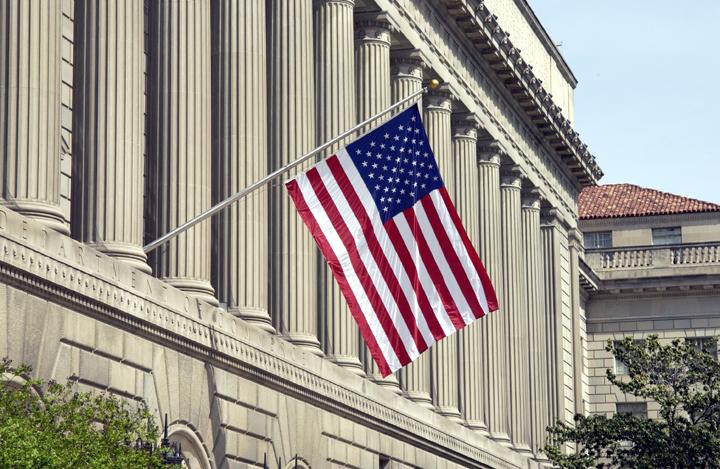
The Trump administration has withdrawn a proposed rule that would have reshaped how artificial intelligence chips are exported to countries around the world. The U.S. Department of Commerce quietly removed the draft regulation from the Office of Information and Regulatory Affairs website, offering no public explanation for the decision.
The pulled rule, labeled "AI Action Plan Implementation," had been submitted for interagency review on February 26 before being taken down shortly after. According to documents reviewed by Reuters, the proposal would have required foreign nations to either invest in American data centers or provide security assurances as a condition for receiving exports of 200,000 or more AI chips — a significant departure from previous policy.
This latest reversal continues a pattern of the current administration struggling to replace the AI chip export framework established under President Biden in January 2025. That outgoing policy capped a four-year effort to limit China's access to advanced semiconductors while preserving U.S. leadership in artificial intelligence. It divided the world into three tiers and largely exempted close American allies from strict export controls.
Last spring, the Commerce Department announced plans to scrap the Biden-era rules in favor of a streamlined approach aimed at reinforcing American dominance in AI technology. However, in a March 5 post on X, the department criticized the previous framework as "burdensome, overreaching, and disastrous" — even as insiders noted that the new draft carried similar complexities.
A former government official suggested the withdrawal reflects ongoing disagreements within the administration over how best to balance global AI competitiveness with national security priorities. With no replacement rule currently in place, the future of U.S. AI chip export policy remains uncertain, leaving international partners and the semiconductor industry watching closely for the next move.







