


 Russia Downs Drones Near Moscow as Airstrikes Hit Ukraine’s Izmail Port
  Pentagon Watchdog Probes U.S. Caribbean Boat Strikes Amid Legality Concerns
  Venezuela to Release 300 Prisoners Amid Ongoing Human Rights Debate
  Kast Reshuffles Cabinet as Chile Pushes Tougher Security Agenda
  Rubio to Push NATO Defense Spending, Strengthen India Ties During Key Diplomatic Tour
  Medicare to Cover GLP-1 Weight-Loss and Diabetes Drugs Starting July 1
  Trump Signals Possible Iran Nuclear Deal as U.S. Delays Military Strike
  NATO Split Over Potential Strait of Hormuz Mission as Alliance Awaits Political Consensus
  Vance Says Delayed Poland Troop Deployment Is Not a U.S. Withdrawal From Europe
  China Banks Halt New Loans to Sanctioned Refineries Amid U.S.-Iran Oil Crackdown
  Oil Tankers Exit Strait of Hormuz as Trump Signals Possible Iran Deal
  Dulles Airport Rebuild Plan Could Transform Washington’s Main International Gateway
  Trump Administration’s National Science Board Dismissal Sparks Warning From Scientists
  US Sanctions Target Cuban Officials and Intelligence Agency Amid Trump Pressure Campaign
  Florida to Close “Alligator Alcatraz” Migrant Detention Center Amid Criticism
  U.S.-Iran Nuclear Talks Show Progress as JD Vance Signals Hope for Deal


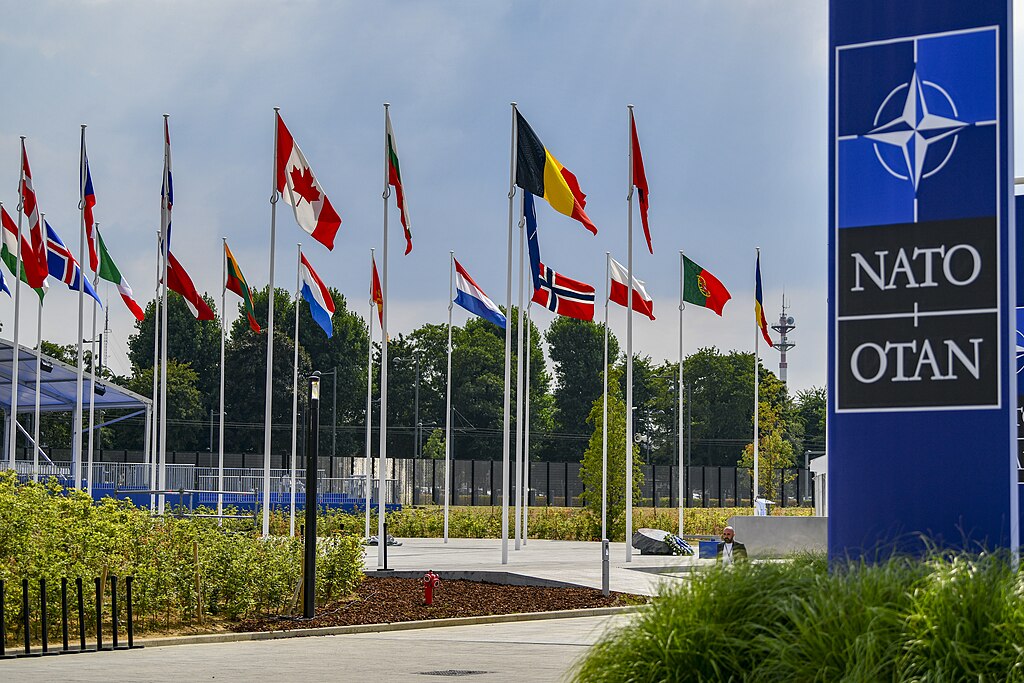
The Trump administration is preparing to inform NATO allies that the United States plans to reduce the military capabilities it would provide to support Europe during a major conflict or security crisis, according to sources familiar with the discussions. The move signals a significant shift in U.S. defense policy and reinforces President Donald Trump’s push for European nations to take greater responsibility for regional security.
Under NATO’s Force Model, member states identify military assets and troops that can be activated during emergencies, including potential attacks on alliance members. Sources say the Pentagon intends to sharply reduce the number of U.S. forces allocated to that framework, although exact figures and operational details remain classified.
The announcement is expected during a defense policy meeting in Brussels on Friday, where Pentagon representatives are anticipated to outline Washington’s evolving strategy. The policy aligns with Trump’s long-standing criticism that European allies rely too heavily on the United States for defense while underinvesting in their own militaries.
Despite the planned reductions in conventional military commitments, Pentagon policy chief Elbridge Colby has publicly stated that the United States will continue to extend nuclear protection to NATO allies. Alex Velez-Green, a senior aide involved in defense planning, is expected to represent the U.S. at the Brussels meeting.
The NATO alliance has faced growing uncertainty in recent months amid concerns that Washington could further scale back its role in Europe. The Trump administration recently revealed plans to cut approximately 5,000 U.S. troops stationed across Europe, including the cancellation of a scheduled Army brigade deployment to Poland. The decision sparked criticism from lawmakers and raised fresh concerns among NATO members.
European governments argue they are increasing defense spending and military readiness, but officials say strengthening conventional forces across the continent will take time. Meanwhile, tensions between Washington and several European leaders continue to strain transatlantic relations ahead of the NATO summit scheduled for July in Turkey.







