


 Trump Administration Dismisses Entire National Science Board, Sparking Debate Over Scientific Independence
  US-Iran Ceasefire Under Pressure as Fresh Strait of Hormuz Clashes Shake Oil Markets
  Trump Invites Top CEOs Including Nvidia, Apple, Boeing to China Summit With Xi Jinping
  Judge Delays SEC Settlement With Elon Musk Over Twitter Stock Disclosure Case
  Ghana Rejects U.S. Health Deal Over Data Sharing Concerns Amid Foreign Aid Shift
  Israel’s Secret Iraq Base Allegedly Supported Iran Air Campaign, WSJ Reports
  FEMA Reinstates Employees After Dissent Letter, Signaling Shift in Workforce Stability
  Panama Defends Port Takeover Amid U.S.-China Tensions and Canal Dispute
  U.S.-China Beef Trade Deal Hopes Rise Ahead of Trump-Xi Summit
  Russia Downs Over 50 Drones Near Moscow Ahead of Victory Day Ceasefire
  U.S. Budget Airlines Seek $2.5 Billion Government Aid Amid Rising Jet Fuel Costs
  Trump Says U.S. Navy Destroyers Passed Strait of Hormuz Under Iranian Fire
  Medicare to Cover GLP-1 Weight-Loss and Diabetes Drugs Starting July 1
  Trump Reportedly Approves Plan to Remove FDA Commissioner Marty Makary Amid Growing Controversies
  Senate Stablecoin Bill Sparks Clash Between Banks and Crypto Industry
  US Revises UN Resolution on Iran Strait of Hormuz Attacks Amid Russia-China Opposition
  Trump Announces Russia-Ukraine Ceasefire for May 9-11 Amid Ongoing Peace Talks


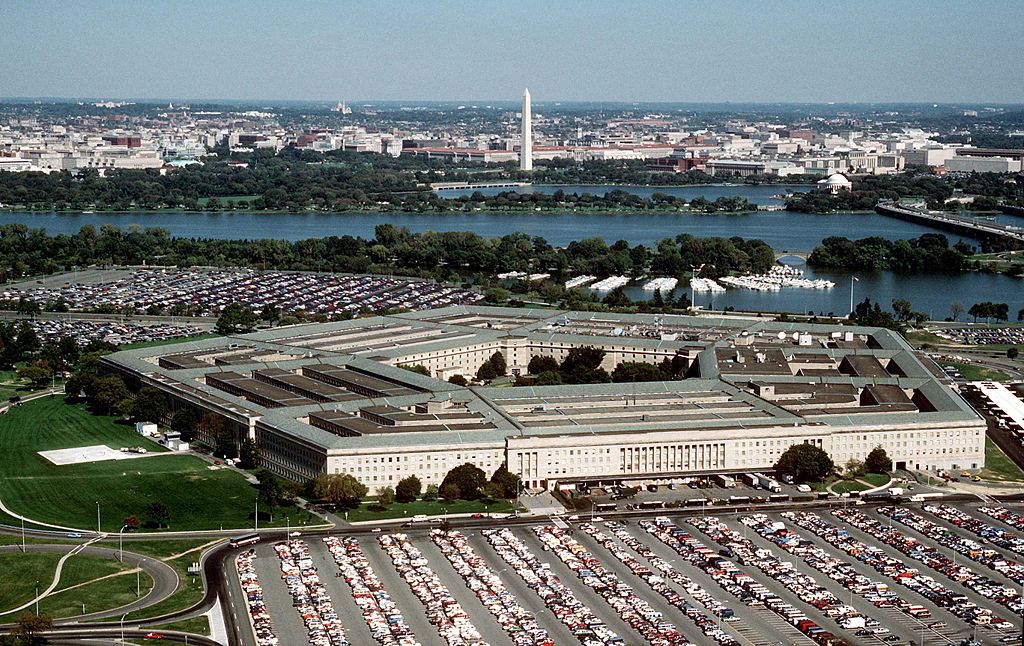
U.S. military officials involved in President Donald Trump’s expanding operations across Latin America have reportedly been asked to sign non-disclosure agreements (NDAs), according to three U.S. officials speaking to Reuters. The move is raising concerns in Washington over secrecy surrounding a buildup that Venezuela fears could signal an impending invasion.
The unusual use of NDAs — beyond standard military confidentiality requirements — coincides with growing unease among lawmakers who say they are being excluded from key mission details. While the Defense Department has occasionally used NDAs since Pete Hegseth became defense secretary in January, their application specifically to Latin American operations marks a significant shift in Pentagon protocol.
Last week, the Pentagon announced the deployment of the Gerald Ford aircraft carrier group to the region, intensifying what experts describe as a buildup far exceeding any need for counter-narcotics missions — the official rationale. Since early September, the U.S. has launched at least 13 strikes against alleged drug-trafficking vessels, mainly in the Caribbean, killing about 57 individuals from Venezuela, Colombia, and Ecuador.
The buildup now includes guided missile destroyers, F-35 jets, a nuclear submarine, and around 16,500 troops. Critics argue the scale of force points to a broader strategic objective rather than drug enforcement. Hegseth has further tightened information control at the Pentagon, requiring staff to obtain clearance before speaking with Congress and implementing stricter press access policies.
Trump’s administration continues to accuse Venezuela and Colombia of deep involvement in the drug trade — claims both nations deny. Senator Lindsey Graham suggested Trump may soon reveal potential military plans for both countries, insisting the president already possesses full authority to act.
As tensions rise, experts warn the combination of secrecy, aggressive rhetoric, and massive troop deployment could signal a volatile new phase in U.S.-Latin American relations.







