


 Starmer Faces Leadership Crisis as Wes Streeting Reportedly Considers Challenge
  Rubio Urges China to Release Jimmy Lai and Political Prisoners
  Elon Musk’s China Influence Faces New Challenges Amid Rising EV Competition
  CIA Director John Ratcliffe Meets Cuban Officials in Havana Amid Renewed U.S.-Cuba Talks
  Pentagon Halts Planned U.S. Troop Deployment to Poland Amid Europe Force Review
  Trump DOJ Accuses Yale Medical School of Racial Bias in Admissions
  US Plans Imminent Indictment of Cuba’s Raul Castro Over 1996 Plane Shootdown
  Trump Says China to Boost U.S. Oil Imports After Xi Talks
  Oil Prices Climb as Strait of Hormuz Tensions and Supply Concerns Persist
  US Hosts Israel-Lebanon Talks as Ceasefire Deadline Nears
  Nvidia’s China AI Chip Sales Remain Frozen Despite U.S. Approval
  Russia Launches Massive Drone Attack on Ukraine, NATO Allies Respond
  Taiwan Independence Debate: China, U.S., and Taipei Tensions Explained
  Russia Launches Massive Drone and Missile Attack on Kyiv
  Japan Considers Extra Budget Aid Amid Rising Fuel and Utility Costs
  Matthew Wale Elected Solomon Islands Prime Minister After No-Confidence Vote
  U.S. Urges China to Help Curb Iran’s Actions in Gulf, Rubio Says


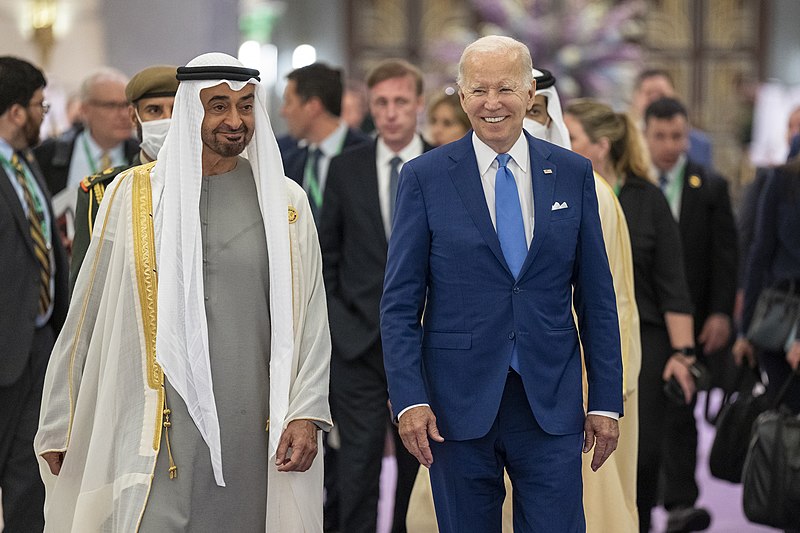
A senior United States official said President Joe Biden does not have plans to meet with Saudi Arabia’s de facto ruler, Crown Prince Mohammed bin Salman in the upcoming G20 Summit in Indonesia. The absence of a meeting with the crown prince follows the recent OPEC+ decision to cut oil production.
White House National Security Adviser Jake Sullivan said Sunday that Biden would act “methodically” in responding to Saudi Arabia over the plans to cut oil production by two million barrels per day. Among the options Washington has is to make changes to US security assistance, but Sullivan told CNN that no changes to the US-Saudi Arabia relationship are imminent as the US leader re-evaluates relations.
“The president isn’t going to act precipitously,” said Sullivan. “He is going to act methodically, strategically, and he’s going to take his time to consult with members of both parties and also have an opportunity for Congress to return so that he can sit with them in person and work through the options.”
Biden previously warned Saudi Arabia that there would be consequences to the decision to cut two million barrels of oil per day, a decision by OPEC+ that was in favor of Russia. The move by the Saudi-led group of oil-producing countries undermines the West’s plans to impose a price cap on Russian oil in response to the war in Ukraine. The move to cut oil production would also cause oil prices to rise.
Washington said Gulf leaders were aligned with Russia at the expense of their Western allies. Russia lauded OPEC+’s decision.
In response, the kingdom rejected the accusations by Washington, saying that the decision by OPEC+ was not politically motivated in nature.
“Saudi Arabia has viewed the statements…which have described the decision as the kingdom taking sides in international conflicts and that it was politically motivated against the United States,” said the Saudi foreign ministry in a statement Thursday last week.
The kingdom maintained that the decision by OPEC+ was genuinely “made on economic considerations,” and the economic advice was to resist calls to delay production cuts.
The Saudi government clarified through its consultation with the Biden administration that all economic assessments showed that postponing the decision to cut oil production by a month would lead to negative consequences, said the ministry.







