


 Oil Prices Climb as Strait of Hormuz Tensions and Supply Concerns Persist
  Powell Named Fed Chair Pro Tempore as Trump Prepares to Install Kevin Warsh
  US-China Trade Talks Sideline Chip Export Controls as Nvidia China Sales Draw Attention
  US Plans Imminent Indictment of Cuba’s Raul Castro Over 1996 Plane Shootdown
  Macron Faces Political Test Over Bank of France Nomination Ahead of 2027 Election
  U.S. Urges China to Help Curb Iran’s Actions in Gulf, Rubio Says
  Elon Musk’s China Influence Faces New Challenges Amid Rising EV Competition
  Nvidia’s China AI Chip Sales Remain Frozen Despite U.S. Approval
  Havana Protests Erupt as Cuba Faces Severe Blackouts and Fuel Crisis
  US Expects China to Boost Purchases of American Farm Products After Trump-Xi Summit
  Vance Says Progress Made in Iran Nuclear Talks as Trump Rejects Tehran Proposal
  US Hosts Israel-Lebanon Talks as Ceasefire Deadline Nears
  Cuba Weighs $100M U.S. Aid Offer Amid Fuel Crisis
  Ukraine Begins Major POW Swap as 205 Soldiers Return from Russian Captivity
  Russia Launches Massive Drone and Missile Attack on Kyiv
  RFK Jr. Spokesman Resigns Over Trump Administration’s Flavored E-Cigarette Policy
  Russia Launches Massive Drone Attack on Ukraine, NATO Allies Respond


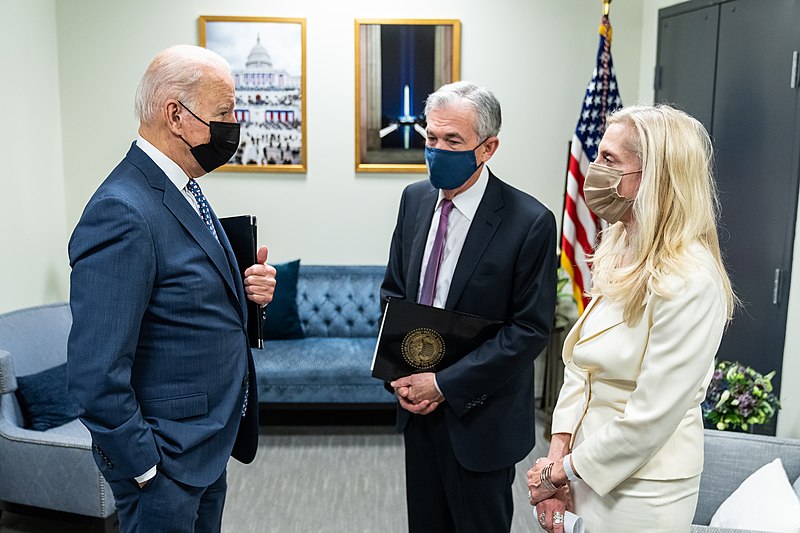
Progressives are citing comments by the US Federal Reserve’s Vice Chair, Lael Brainard, regarding a factor that is fueling inflation in the country. Brainard acknowledged that corporate price hikes have contributed to inflation while also saying that monetary tightening was the way to counter the issue.
Speaking at the meeting of the National Association for Business Economics in Chicago, Brainard mainly attributed inflation as being driven by the COVID-19 pandemic as well as the ongoing war in Ukraine. However, Brainard also cited that “there is ample room for margin recompression to help reduce goods inflation” in the retail economy.
While suggesting that corporate profiteering has played a role in driving inflation, Brainard said monetary tightening was the best way to counter the issue.
“It will take time for the cumulative effect of tighter monetary policy to work through the economy broadly and to bring inflation down,” said Brainard.
“In light of elevated global economic and financial uncertainty, moving forward deliberately and in a data-dependent manner will enable us to learn how economic activity, employment, and inflation are adjusting to cumulative tightening in order to inform our assessments of the path of policy rate.”
The Progressive podcast Pitchfork Economics warned that if the Federal Reserve continues to move forward with “outdated, harmful solutions,” then the country would be forced into a longer and deeper recession with far-reaching consequences.
The members of the Federal Reserve’s Board of Governors are expected to raise interest rates by 0.75 percent for the fourth time when they meet in November.
Inflation is expected to be a key issue in the upcoming midterm elections this year, which would determine which party controls one or both chambers of Congress.
Meanwhile, banks in the United States are donating less money to federal candidates for the upcoming midterm elections in November and increasing the proportion being given to Democrats as they rethink their political contributions, according to an analysis of data by Reuters.
The data, compiled by the Center for Responsive Politics along with over half a dozen lobbyists and industry officials, showed that the political action committees of banks have given around $7.4 million to federal candidates, 43 percent down on the 2020 elections and 39 percent down the average election spending in the previous decade.
Despite getting fewer donations from banks overall, Democrats increased their proportion by 40 percent in the upcoming race in November, the highest proportion since the 2020 elections.







