


 U.S. Stock Futures Steady as Wall Street Retreats on Oil Volatility and Fed Rate Outlook
  Asian Currencies Rebound as Dollar Weakens, BOJ Holds Rates
  Yen Slides Near Two-Year Low as Fed Holds Rates Amid Middle East Tensions
  BOJ Holds Interest Rates Steady Amid Middle East Uncertainty
  Trump Signals U.S. Nearing End of Military Goals in Iran War, Shifts Hormuz Responsibility to Regional Nations
  Paraguay Central Bank Holds Interest Rate at 5.5% Amid Slowing Growth
  Iran War Fears Send Oil Prices Surging as U.S. Weighs Ground Troop Deployment
  Oil Prices Slide as U.S. Eyes Iranian Supply Relief Amid Middle East Tensions
  Asian Markets Tumble as BOJ Holds Rates, Oil Surges Past $110
  China Holds Lending Rates Steady Amid Global Oil Price Surge and Middle East Tensions
  Goldman Sachs Delays Bank of England Rate Cut Forecast Amid Middle East Inflation Risks
  Russian Drone Strikes Hit Odesa Apartments and Lviv Security HQ
  Trump Presses Japan to Support Iran War Effort, Cites Pearl Harbor in Surprise Defense
  Australia's February Jobs Data Sends Mixed Signals on Rate Outlook
  Gold Prices Extend Losing Streak, On Track for Worst Weekly Loss Since 1983
  Japan's Parliament Backs Dovish BOJ Board Members, Raising Questions on Rate Hike Path
  Belarus Frees 250 Political Prisoners in Landmark U.S. Sanctions Deal


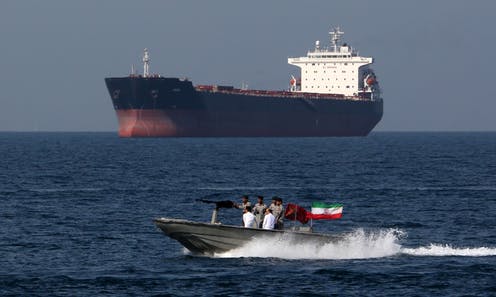
The United States is sending an additional 2,500 Marines to the Middle East as the ongoing war between the U.S., Israel, and Iran enters its third week with no clear end in sight. The deployment includes the USS Boxer amphibious assault ship and accompanying warships, though officials have not confirmed a specific mission or whether ground operations inside Iran are being considered.
The conflict, which began on February 28, has effectively shut down the Strait of Hormuz — a critical chokepoint responsible for transporting roughly one-fifth of the world's oil and liquefied natural gas. The closure has sent global energy markets into turmoil, with Brent crude oil prices surging nearly 50% to around $110 per barrel. Daily crude flows have fallen by approximately 12 million barrels, representing about 12% of worldwide demand, with lasting economic consequences expected.
To ease the supply crunch, the Trump administration announced sanctions waivers allowing the sale of approximately 140 million barrels of oil stranded on tankers since the war started — following a similar move for Russian oil. Despite these measures, fuel prices in the U.S. continue to climb, creating political headwinds ahead of November's congressional elections.
Israel has conducted major airstrikes on Tehran and central Iran, targeting missile production and storage facilities, while Iran continues retaliating with missile barrages toward Israeli cities and drone attacks on U.S. military bases across the Gulf region. Kuwait's Mina Al-Ahmadi refinery was also struck, and Iraq declared force majeure on all foreign-operated oilfields.
President Trump has criticized NATO allies as "cowards" for refusing to assist in reopening the strait, while a new poll reveals that nearly two-thirds of Americans fear a large-scale ground war — with only 7% expressing support for one. The fate of Iran's new Supreme Leader Mojtaba Khamenei also remains uncertain, raising questions about who currently holds authority in Tehran.













