


 U.S. Oil Prices Slide as Middle East Ceasefire Talks Spark Market Optimism
  Gold Prices Climb as Middle East Ceasefire Talks Stir Market Optimism
  Federal Reserve Balance Sheet Reduction: Brookings Research Outlines Possible Path Forward
  Suspicious Oil Market Trades Precede Trump's Iran Peace Post by 15 Minutes
  Trump Tariffs Show Minimal Economic Impact but Boost Federal Revenue, Study Finds
  ECB Eyes Rate Hike Amid Iran Conflict-Driven Energy Price Surge
  U.S. Stock Futures Steady as Iran Reviews U.S. Ceasefire Proposal
  Japan's Private Sector Growth Slows in March Amid Rising Costs and Middle East Uncertainty
  Australia-EU Free Trade Deal Signed After Years of Negotiations
  Japan Eyes Oil Futures Intervention to Stabilize Yen Amid Middle East Crisis
  Iran-Israel Missile Strikes Continue Amid Mixed Signals on U.S.-Iran Diplomacy
  Currency Markets Show Caution Amid U.S.-Iran Negotiations
  Asian Markets Rally as Oil Prices Tumble and Middle East Peace Hopes Emerge
  Oil Prices Rebound as Iran Denies U.S. Talks Amid Gulf War Supply Fears
  Oil Prices Climb as Iran Reviews U.S. Peace Proposal Amid Middle East Tensions
  Bank of Japan Eyes April Rate Hike Despite Inflation Dip, ING Says


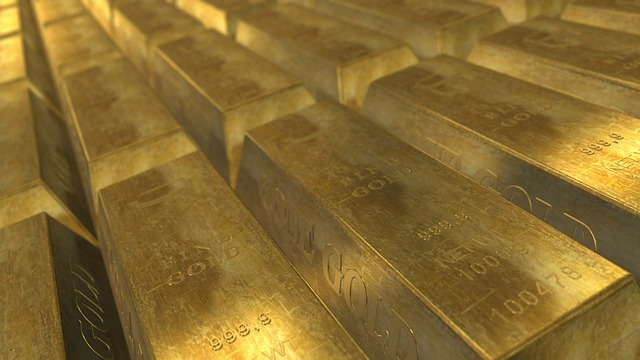
Gold prices continued their downward trend on Friday, marking eight consecutive days of losses and heading toward their steepest weekly decline in over four decades. Spot gold dropped 3.4% to $4,494.44 per ounce, while gold futures fell 2.4% to settle at $4,496.16 per ounce — bringing the metal's weekly loss to 10.4%, the worst single-week performance since early March 1983.
Traditionally viewed as a safe haven during periods of geopolitical instability, gold has struggled to fulfill that role amid ongoing conflict in the Middle East. Instead, investors have been flocking to the U.S. dollar and Treasury yields, both of which have surged as markets grow increasingly concerned about inflation. The dollar's strength has placed significant downward pressure on bullion, a commodity typically priced inversely to the greenback.
A key turning point came Thursday, when several major central banks signaled caution over potential energy-driven inflation following a sharp rise in oil prices to near four-year highs. The Reserve Bank of Australia moved to hike interest rates, while the Federal Reserve, European Central Bank, Swiss National Bank, and Bank of Japan all held rates steady and indicated little likelihood of cuts in the near term. For gold, which generates no yield, a higher-for-longer interest rate environment raises the cost of holding the asset — making it less attractive to investors.
Despite the sharp pullback, some market analysts urge caution before declaring the end of gold's long-term bull run. Russ Mould of AJ Bell pointed out that previous multi-year rallies — including those from 1971 to 1980 and 2001 to 2010 — each weathered significant corrections without reversing their overall upward trajectory. While near-term headwinds remain strong, long-term investors may view the current dip as part of a broader cycle rather than a definitive trend reversal.













