


 Australia-EU Free Trade Deal Signed After Years of Negotiations
  UK Consumer Confidence Weakens Amid Middle East Conflict and Rising Living Costs
  Oil Prices Plunge Over 6% as Middle East Ceasefire Hopes Ease Supply Fears
  U.S. Dollar Weakens as Trump Signals Iran Deal Possibility
  U.S. Oil Prices Slide as Middle East Ceasefire Talks Spark Market Optimism
  Gold Prices Climb as Middle East Ceasefire Talks Stir Market Optimism
  Oil Prices Rebound as Iran Denies U.S. Talks, Middle East Tensions Persist
  Gold Prices Surge on U.S.-Iran Ceasefire Reports
  U.S. Futures Slide as Iran Denies Nuclear Talks with Washington
  WTO Reform Talks Begin in Cameroon Amid Global Trade Tensions
  Middle East War Rattles Global Markets as Oil Tops $100 and Dollar Surges
  Currency Markets Show Caution Amid U.S.-Iran Negotiations
  Federal Reserve Balance Sheet Reduction: Brookings Research Outlines Possible Path Forward
  Bank of Japan Officials Signal Continued Interest Rate Hikes Amid Inflation Concerns
  Wall Street Slides as Iran War Uncertainty, Oil Surge, and AI Fears Rattle Markets


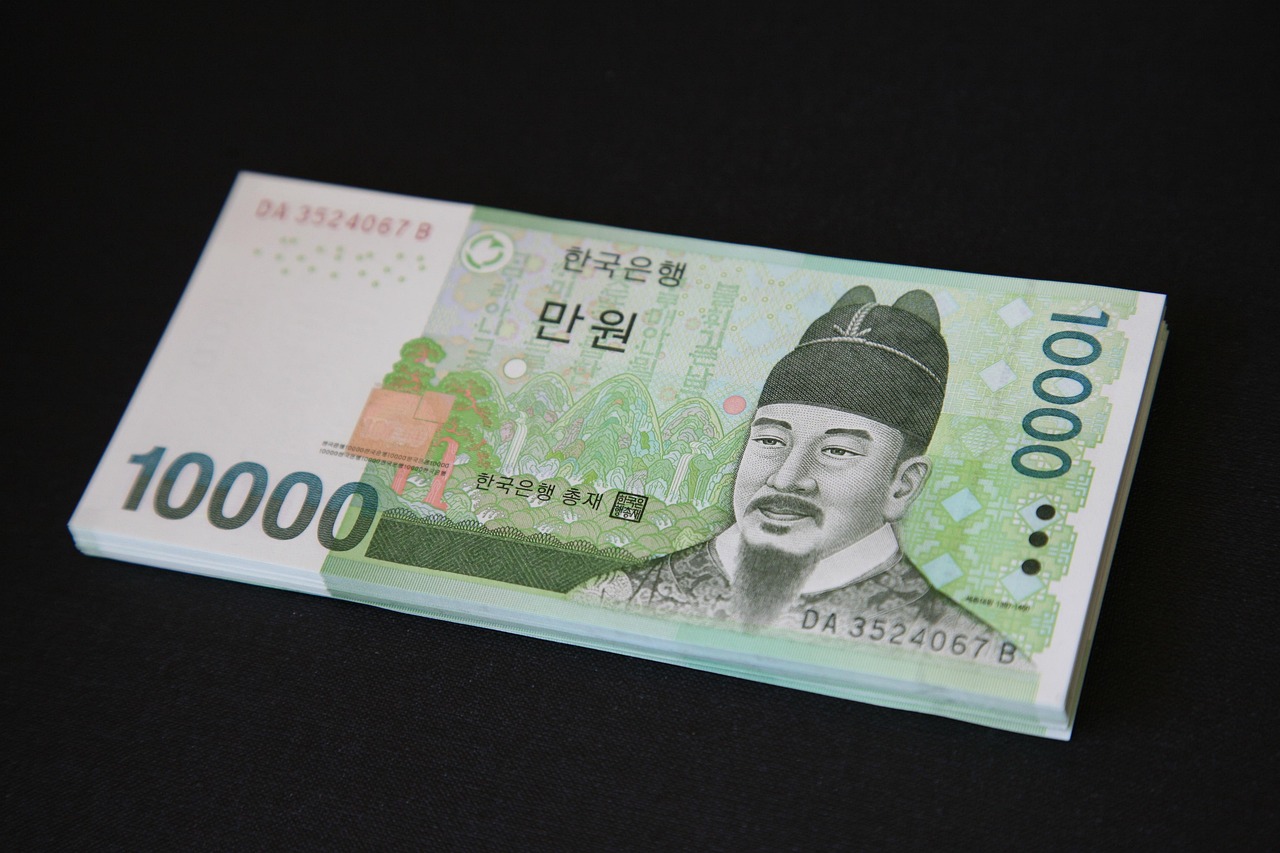
Asian currencies staged a modest recovery on Thursday after suffering steep losses overnight, as the U.S. dollar pulled back following a brief surge driven by stronger-than-expected inflation data and cautious signals from the Federal Reserve. Despite the rebound, regional markets remained on edge amid escalating tensions in the Middle East, with rising oil prices fueling concerns over global inflation.
The Japanese yen stabilized after a sharp overnight decline, hovering near its weakest point since mid-2024. The Bank of Japan kept its benchmark overnight call rate steady at 0.75%, a move widely anticipated by markets. Only one of the nine board members pushed for a 25 basis point rate increase. The BOJ acknowledged the inflationary risks posed by surging oil prices linked to the ongoing U.S.-Israel conflict with Iran but projected that near-term Japanese inflation would cool before picking up again later in 2026 — a trajectory that may prompt future rate hikes.
Across the region, most Asian currencies edged higher. The Chinese yuan gained 0.3%, while the Singapore dollar strengthened modestly. The Australian dollar outperformed its regional peers, climbing nearly 0.4% after February employment figures came in well above forecasts, though a surprise uptick in the unemployment rate tempered enthusiasm. The South Korean won advanced 0.7%, and the Indian rupee steadied around 92.9 after briefly touching a record high above 93 rupees the previous session.
The dollar retreated after Wednesday's rally, which was sparked by hotter-than-expected U.S. producer price index data and the Fed's decision to hold interest rates steady. Fed Chair Jerome Powell highlighted growing uncertainty tied to the Iran conflict and warned that energy-driven inflation could delay future rate cuts. With the Bank of England, European Central Bank, and Swiss National Bank also scheduled to meet, global currency markets braced for continued volatility.













