


 U.S. Futures Slide as Iran Denies Nuclear Talks with Washington
  UK Consumer Confidence Weakens Amid Middle East Conflict and Rising Living Costs
  Asian Markets Rally as Oil Prices Tumble and Middle East Peace Hopes Emerge
  Iran-Israel Missile Strikes Continue Amid Mixed Signals on U.S.-Iran Diplomacy
  Bank of Japan Eyes April Rate Hike Despite Inflation Dip, ING Says
  Asian Currencies Stay Muted as Dollar Holds Firm Amid Iran Uncertainty
  Federal Reserve Balance Sheet Reduction: Brookings Research Outlines Possible Path Forward
  Gold Prices Climb as Middle East Ceasefire Talks Stir Market Optimism
  U.S. Stock Futures Steady as Iran Reviews U.S. Ceasefire Proposal
  Japan Eyes Oil Futures Intervention to Stabilize Yen Amid Middle East Crisis
  Trump Tariffs Show Minimal Economic Impact but Boost Federal Revenue, Study Finds
  U.S. Dollar Weakens as Trump Signals Iran Deal Possibility
  Australia's Inflation Eases in February but Core Pressures Persist
  Gold Prices Surge on U.S.-Iran Ceasefire Reports
  Oil Prices Rebound as Iran Denies U.S. Talks, Middle East Tensions Persist
  Japan's Private Sector Growth Slows in March Amid Rising Costs and Middle East Uncertainty


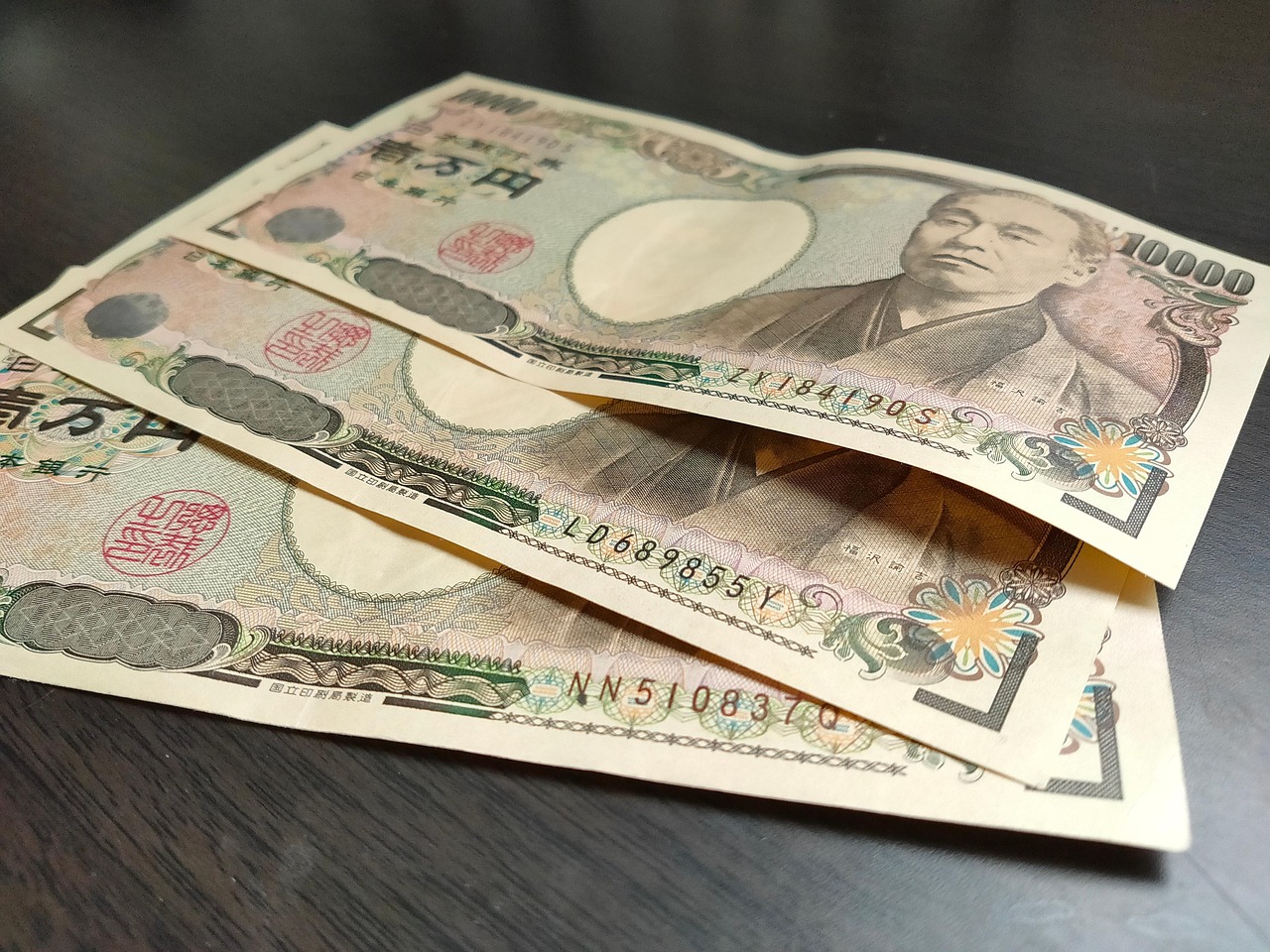
The Japanese yen hovered near a two-year low in early Asian trading Thursday, weighed down by a stronger U.S. dollar as investors closely monitored central bank decisions across major economies against the backdrop of an escalating Middle East conflict and surging oil prices.
The yen steadied at 159.78, pulling slightly back from recent lows after Japanese Finance Minister Satsuki Katayama warned that authorities were on high alert for unusual currency market movements, partly attributed to speculative activity. The Bank of Japan, set to announce its policy decision later in the day, is widely expected to hold interest rates steady while awaiting further clarity on how the ongoing Iran conflict may impact Japan's import-dependent economy.
Meanwhile, the U.S. Federal Reserve held benchmark interest rates unchanged on Wednesday, projecting higher inflation, stable unemployment, and just one potential rate cut in 2026. Fed Chair Jerome Powell acknowledged an unusually uncertain outlook, offering little guidance on how policymakers would respond to rising energy costs and inflation pressures stemming from U.S.-Israeli military strikes on Iran. Markets have now pushed rate cut expectations to 2027, with futures data from CME Group's FedWatch tool indicating slim chances of easing even by December.
The U.S. dollar index held near four-month highs at 100.11, while the euro rose modestly to $1.1469 and the British pound edged up to $1.3273. Both the European Central Bank and Bank of England were also expected to keep rates unchanged at their Thursday meetings.
Oil markets continued rallying, with Brent crude jumping 4.2% to $111.87 per barrel following Iranian attacks on regional energy infrastructure. The Australian and New Zealand dollars posted small gains, while Bitcoin traded flat near $71,242.
Global currency and commodity markets remain on edge as geopolitical risks continue reshaping monetary policy outlooks worldwide.













