


 U.S. Oil Prices Slide as Middle East Ceasefire Talks Spark Market Optimism
  Suspicious Oil Market Trades Precede Trump's Iran Peace Post by 15 Minutes
  Trump Tariffs Show Minimal Economic Impact but Boost Federal Revenue, Study Finds
  Asian Currencies Weaken as Dollar Rebounds Amid Middle East Uncertainty and Japan Inflation Data
  Currency Markets Show Caution Amid U.S.-Iran Negotiations
  Asian Currencies Stay Muted as Dollar Holds Firm Amid Iran Uncertainty
  Gold Prices Surge on U.S.-Iran Ceasefire Reports
  Bank of Japan Eyes April Rate Hike Despite Inflation Dip, ING Says
  Australia's Inflation Eases in February but Core Pressures Persist
  Iran-Israel Missile Strikes Continue Amid Mixed Signals on U.S.-Iran Diplomacy
  U.S. Dollar Weakens as Trump Signals Iran Deal Possibility
  Japan Eyes Oil Futures Intervention to Stabilize Yen Amid Middle East Crisis
  Oil Prices Rebound as Iran Denies U.S. Talks, Middle East Tensions Persist
  Oil Prices Rebound as Iran Denies U.S. Talks Amid Gulf War Supply Fears
  Bank of Japan Officials Signal Continued Interest Rate Hikes Amid Inflation Concerns
  Federal Reserve Balance Sheet Reduction: Brookings Research Outlines Possible Path Forward
  Asian Stocks Gain Amid Iran Conflict Uncertainty


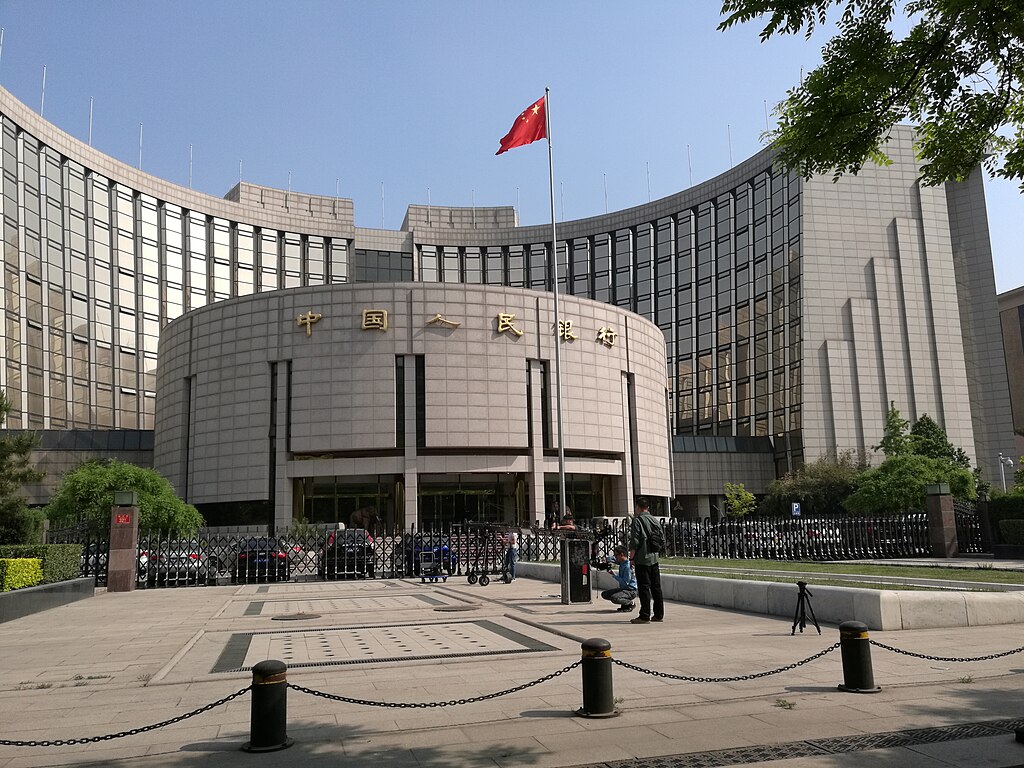
China is widely expected to keep its benchmark lending rates unchanged for the tenth straight month in March, according to a Reuters poll, as soaring global oil prices fueled by escalating Middle East conflict introduce fresh uncertainty into the inflation landscape.
Beijing's 2026 economic growth target of 4.5% to 5% — marginally lower than last year's 5% expansion — combined with stronger-than-expected economic data in early 2026, has lessened the urgency for immediate monetary stimulus, analysts say. All 20 participants in a Reuters survey anticipate the one-year and five-year Loan Prime Rates (LPR) to hold at 3.00% and 3.50%, respectively. The LPR is determined monthly when 20 designated commercial banks submit proposed rates to the People's Bank of China (PBOC).
Global oil prices have surged approximately 50% since the outbreak of the U.S. and Israeli conflict with Iran, sending shockwaves through international financial markets. While Standard Chartered analysts note that a moderate, temporary oil price increase may have limited impact on China's economy, they caution that a deeper escalation — particularly one that restricts key commodity supplies — could disrupt global supply chains and dampen Chinese exports and growth. This risk has led them to push back their forecast for a reserve requirement ratio (RRR) cut to the second quarter and delay an anticipated policy rate reduction to the third quarter.
Not all analysts share the same concern. MUFG China's chief financial market analyst Marco Sun argues that China's sufficient energy reserves provide a strong buffer against external energy shocks, and that the PBOC will continue pursuing an accommodative monetary policy to manage domestic financing pressures.
The rate-hold outlook also aligns with global trends, as the U.S. Federal Reserve and the Bank of Canada both maintained a hawkish stance this week, citing inflation risks driven by rising energy costs from the ongoing Iran conflict.













