


 BlackRock’s Rick Rieder Favors Bonds Over Stocks as Treasury Yields Surge
  Asian Currencies Mixed as Yen Weakens, RBA Hike Looms
  UK Housebuilder Stocks Surge on New First-Time Buyer Loan Scheme
  Fed’s Hammack Says Bond Yield Surge Is Not Driven by Inflation Fears
  Gold Holds Near Seven-Week Low as Fed Rate Hike Bets Rise
  Asian Stocks Fall as Oil Surge, Bond Yields and AI Concerns Hit Markets
  Japan Warns Markets Over Yen Weakness
  Gold Rebounds as Oil Falls and Treasury Rout Eases
  Gold Slides Below $4,300 as Oil Surge Fuels Fed Rate Hike Bets
  Australia Budget Deficit Narrows to A$22.3 Billion on Stronger Tax Revenue
  Global Central Banks Brace for More Rate Hikes as Inflation Risks Rise
  Fed’s Williams Signals One More Rate Hike Before Year-End
  China, US Extend Trade Truce Through January 10 After Trump-Xi Summit
  BOJ Raises Interest Rate to 31-Year High as Yen Weakens
  RBI Uses $10 Billion Currency Swaps to Drain Excess Rupee Liquidity
  RBA Set for September Rate Hike as Inflation Stays High


 Add as a preferred source on Google
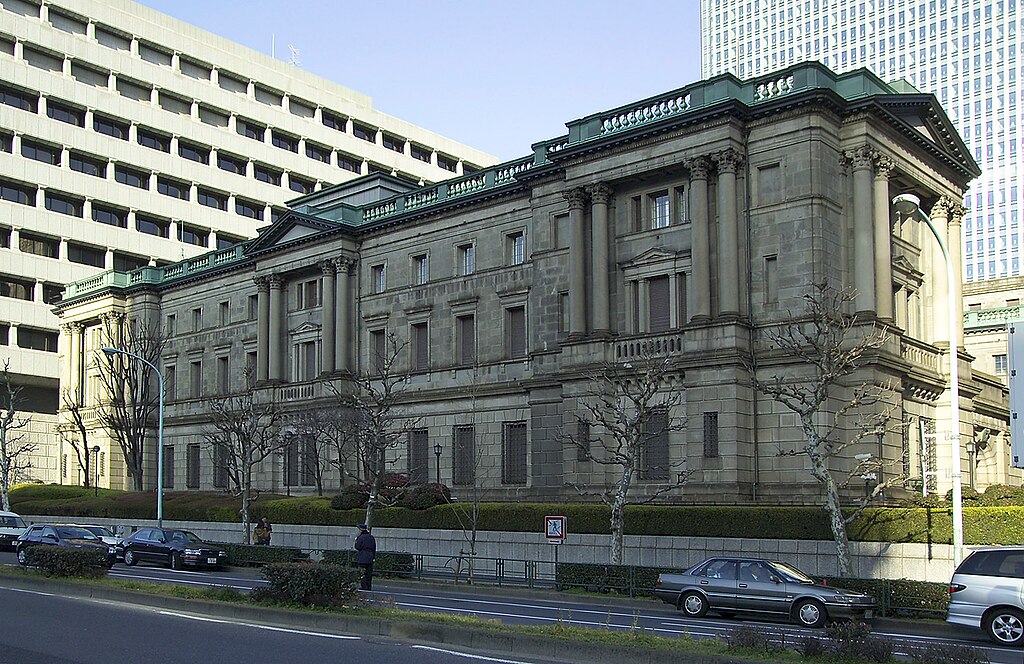
Japan's central bank maintained its benchmark interest rate at 0.75% following a two-day policy meeting that concluded on Thursday, a decision that aligned with broad market expectations. The Bank of Japan's move comes at a time when the domestic economy is showing signs of moderate recovery, though growing tensions in the Middle East continue to cast uncertainty over the global economic landscape.
The decision was not unanimous. Board member Hajime Takata broke ranks with his colleagues, advocating for a rate increase to 1.0%, signaling that some policymakers believe conditions may already warrant tighter monetary policy. His dissent highlights the internal debate within the BOJ as officials weigh the risks of acting too soon against the potential consequences of falling behind on inflation management.
Japan's economy has demonstrated resilience in recent months, with gradual improvement across key indicators. However, geopolitical instability stemming from the ongoing Middle East conflict introduces a layer of complexity that central bank officials cannot ignore. Rising energy prices, potential supply chain disruptions, and shifting investor sentiment are among the external factors that may influence future policy decisions.
BOJ Governor Kazuo Ueda was scheduled to address the media at 3:30 p.m. local time, or 0530 GMT, to elaborate on the bank's rationale and provide guidance on the economic outlook. Market participants and analysts were closely watching his remarks for any hints of a potential policy shift in the months ahead.
With inflation trends, wage growth, and global risk factors all in focus, the Bank of Japan faces the delicate task of calibrating its monetary policy carefully. Any future adjustment to interest rates will likely depend on how both domestic economic momentum and international developments unfold in the coming quarters.







