


 Jay Bhattacharya to Continue Leading CDC as White House Searches for Permanent Director
  Gold Prices Climb as Middle East Ceasefire Talks Stir Market Optimism
  Maduro Faces Rare Narcoterrorism Charges in U.S. Court
  WTO Reform Talks Begin in Cameroon Amid Global Trade Tensions
  Oil Prices Rebound as Iran Denies U.S. Talks Amid Gulf War Supply Fears
  Kristi Noem Ends Western Hemisphere Tour in Diminished Role After DHS Firing
  U.S. Futures Slide as Iran Denies Nuclear Talks with Washington
  Federal Reserve Balance Sheet Reduction: Brookings Research Outlines Possible Path Forward
  Trump Tariffs Show Minimal Economic Impact but Boost Federal Revenue, Study Finds
  Trump Administration Settles Lawsuit Barring Federal Agencies from Pressuring Social Media Censorship
  Israel Eyes Litani River as New Border Amid Escalating Lebanon Offensive
  UK Consumer Confidence Weakens Amid Middle East Conflict and Rising Living Costs
  Trump Backs Down on Iran Strikes After Gulf Allies Sound the Alarm
  Trump's Overhaul of American History: Museums, Monuments, and Cultural Institutions
  Russia-Iran Military Alliance Deepens With Drone Shipments Amid Middle East Tensions
  FEMA Reinstates $1 Billion Disaster Prevention Grant Program After Court Order
  Gold Prices Surge on U.S.-Iran Ceasefire Reports


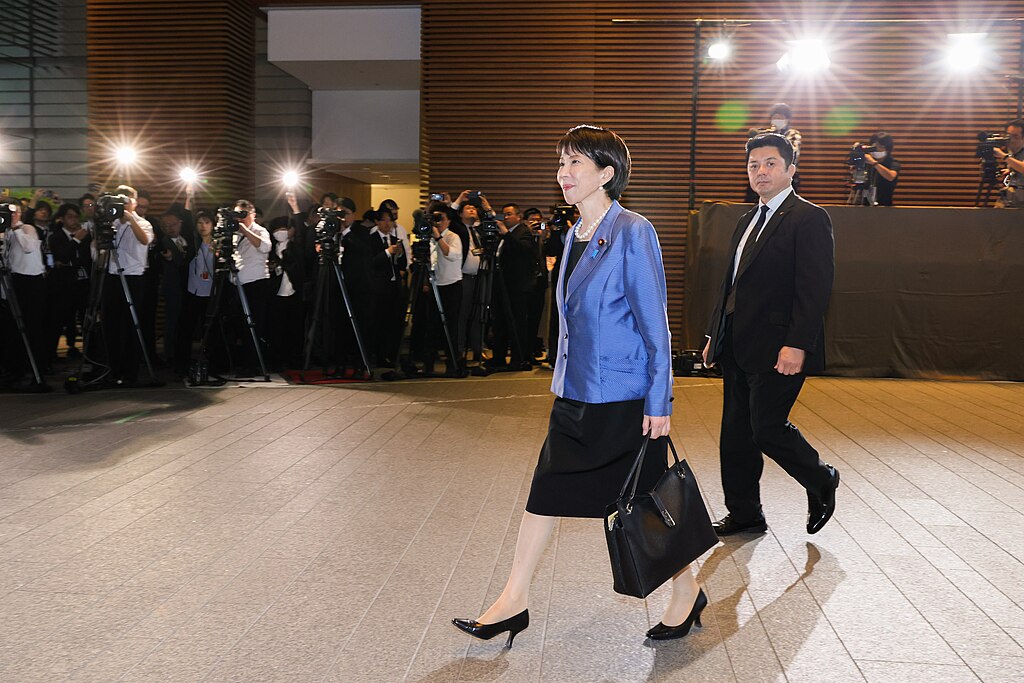
Japan's lower house of parliament has approved Prime Minister Sanae Takaichi's nominations of two monetary doves — academics Toichiro Asada and Ayano Sato — to serve on the Bank of Japan's nine-member policy board. The decision could reshape how the central bank approaches future interest rate increases.
Both nominees are well-known proponents of economic stimulus and expansionary monetary policy, aligning closely with Takaichi's own reflationist stance. Asada is set to replace outgoing board member Asahi Noguchi, whose term concludes on March 31, while Sato will succeed Junko Nakagawa following her term's expiration at the end of June. The appointments still require upper house confirmation before taking effect.
The two academics have longstanding ties to dovish former BOJ figures, including ex-deputy governor Masazumi Wakatabe, and are part of a broader reflationist circle that favors looser monetary conditions to spur economic growth. Their entry into the board could slow the BOJ's recent momentum toward tightening, as policymakers have been gradually shifting toward supporting steady rate hikes.
Market analysts note that Takaichi's direct involvement in central bank appointments signals a deliberate strategy. If she remains in office, she could appoint additional stimulus-leaning members as two more hawkish board seats open up in 2026. More significantly, she would gain the authority to select successors to Governor Kazuo Ueda and both deputy governors when their five-year terms expire in 2028.
The BOJ officially ended its decade-long ultra-loose stimulus program in 2024 and has since raised its short-term policy rate multiple times, reaching a 30-year high of 0.75% in December. With inflation running above the bank's 2% target for nearly four years, Governor Ueda has maintained that further rate increases remain on the table should economic conditions continue to support them.













