


 UN Condemns Myanmar Airstrike That Kills 50 in Rakhine
  BOJ Flags Import Costs and Yen Shocks as Persistent Inflation Risks
  Global Central Banks Brace for More Rate Hikes as Inflation Risks Rise
  Haiti Gang Retaliation Kills at Least 11 in Artibonite
  Trump Demands Powell Resign Over Fed Renovation Cost Overruns
  Rubio Warns Cuba to Change Course as US Pressure Mounts
  Japanese Yen Retreats as Dollar Rises Ahead of Fed, BOJ Rate Decisions
  BOJ Set for 25-Basis-Point Rate Hike as Yen Weakness Fuels Inflation
  Russia Warns NATO of Nuclear Response Over Kaliningrad
  Fed Unveils Stablecoin Rules Under GENIUS Act
  US Plans Iran Sanctions Waiver for Pilgrim Flights to Iraq
  Trump Denies Offering Iran Sanctions Relief for Nuclear Concessions
  Central Banks Could Buy 20,000 Tonnes of Gold: BofA
  RBA Says ASX Still Falls Short on Governance and Risk Controls
  US Alcohol Ban Exposes Canada’s Internal Trade Barriers


 Add as a preferred source on Google
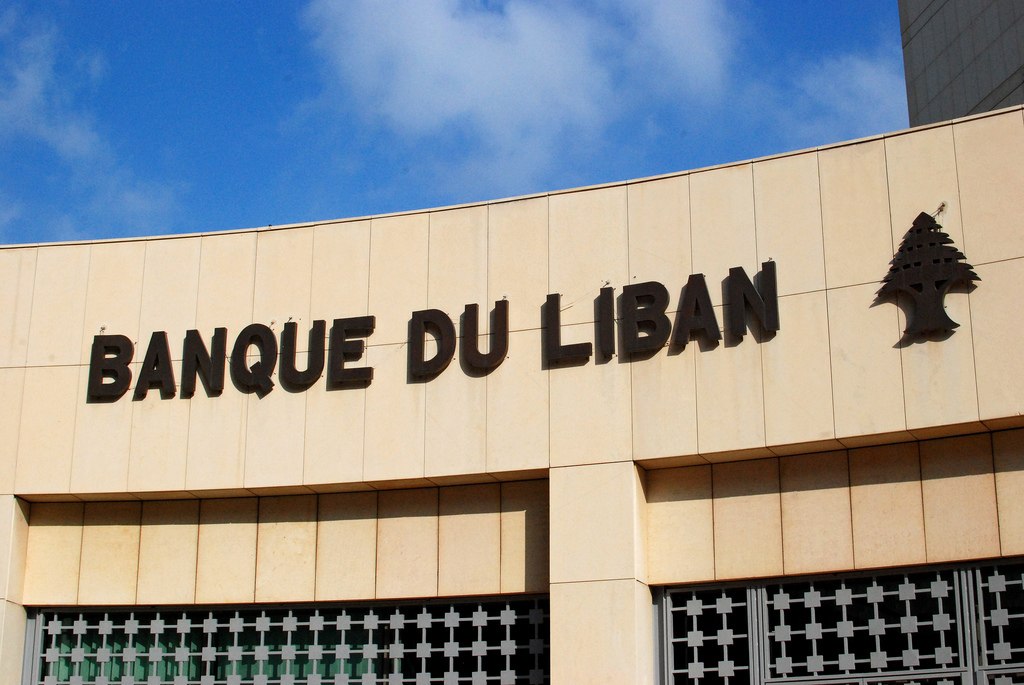
The U.S. is actively engaging with Lebanon’s government to influence the selection of its next central bank governor, aiming to curb corruption and illicit financial activities linked to Hezbollah, according to multiple sources.
Washington is reviewing candidates for the role, reflecting its deep involvement in Lebanon amid a prolonged financial crisis. This move follows Hezbollah’s weakened influence after last year’s conflict with Israel and the election of U.S.-backed Joseph Aoun as Lebanon’s president. The new administration, which excludes Hezbollah’s direct participation, is now tasked with appointing a permanent central bank governor after Wassim Mansouri’s interim tenure.
According to sources, U.S. officials have met with several candidates in Washington and Beirut, assessing their stance on combating terrorist financing and implementing economic reforms. The criteria set by the U.S. emphasize candidates with no ties to Hezbollah and a strong commitment to transparency. Among the contenders are former minister Camille Abousleiman, investment executive Firas Abi-Nassif, IMF’s Jihad Azour, and asset managers Philippe Jabre and Karim Souaid.
The next central bank chief will be pivotal in restoring Lebanon’s financial stability. The nation’s economic meltdown, triggered by corruption and mismanagement, has devalued the Lebanese pound, paralyzed the banking sector, and impoverished millions. The government seeks to revive stalled IMF negotiations, but financial aid from Western and Arab nations hinges on economic reforms.
Lebanon remains under scrutiny after being placed on a financial watchdog’s "grey list" for failing to address money laundering and terrorist financing concerns. The U.S., in collaboration with Saudi Arabia, is closely monitoring the appointment process to ensure a reform-driven leadership at Lebanon’s central bank.







