


 CDC Monitors U.S. Travelers After Hantavirus Outbreak on Luxury Cruise Ship
  China-Made Fireworks Power U.S. Independence Day Celebrations Amid Trade Truce
  Russian LNG Shadow Fleet Expands Amid Arctic LNG 2 Sanctions
  Australia’s Wealthy Donors Shift Support to One Nation Amid Conservative Party Decline
  Rubio Presses Italy Over Iran Support as Tensions Test U.S.-Italy Alliance
  Ghana Rejects U.S. Health Deal Over Data Sharing Concerns Amid Foreign Aid Shift
  Medicare to Cover GLP-1 Weight-Loss and Diabetes Drugs Starting July 1
  U.S. Flags Vietnam as “Priority Foreign Country” Over Intellectual Property Concerns
  Mexico President Claudia Sheinbaum Reconsiders Early School Closure Plan Ahead of 2026 World Cup
  Trump Administration Dismisses Entire National Science Board, Sparking Debate Over Scientific Independence
  Trump-Xi Beijing Summit to Focus on Trade, Taiwan, and Boeing Deal
  Judge Delays SEC Settlement With Elon Musk Over Twitter Stock Disclosure Case
  New York Moves to Ban Masked Law Enforcement During Immigration Operations
  Trump Expands Cuba Sanctions Targeting Key Sectors and Foreign Entities
  US Sanctions Target Iran’s Shadow Banking Network and Terror Financing
  Australia Launches Public Hearings on Bondi Beach Shooting and Rising Antisemitism
  Senate Stablecoin Bill Sparks Clash Between Banks and Crypto Industry


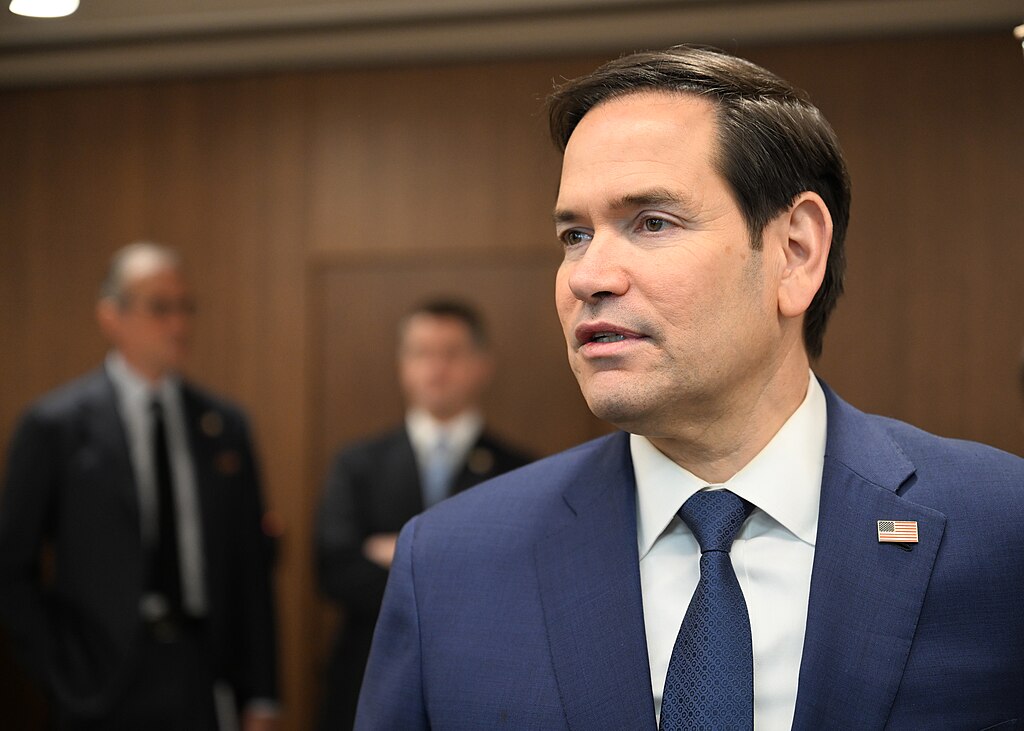
The United States has imposed new visa restrictions on Chinese officials over limited access to Tibet for American diplomats, journalists, and international observers, Secretary of State Marco Rubio announced Monday.
Rubio criticized the Chinese Communist Party (CCP) for blocking foreign access to the Tibet Autonomous Region (TAR) and surrounding Tibetan areas, while Chinese diplomats and media enjoy broad freedom in the U.S. “This lack of reciprocity is unacceptable and will not be tolerated,” he said, demanding “unrestricted access” for U.S. personnel.
While the statement did not identify which officials were targeted or specify details of the restrictions, it reflects growing U.S. frustration with Beijing’s policies in Tibet. Rubio also noted that U.S. diplomats are unable to support American citizens traveling in the region due to Chinese limitations.
China has controlled Tibet since 1950, calling it a "peaceful liberation" from feudal rule. However, Tibetan exiles and international human rights groups continue to denounce what they describe as China's oppressive governance, suppression of religious freedom, and cultural assimilation policies.
Despite tensions, the United States officially recognizes Tibet as part of China. Still, Washington has repeatedly urged Beijing to respect the rights of Tibetans and allow them to preserve their language, culture, and religious practices without government interference.
The move adds to a long list of disputes straining U.S.-China relations, including trade conflicts, technology bans, Taiwan, human rights issues, and concerns over the origins of COVID-19. As diplomatic tensions persist, the visa restrictions highlight ongoing international concern over human rights and access to restricted regions like Tibet.







