


 Trump Administration Releases New UFO Files and Apollo Mission Records
  TikTok Nears $400 Million Settlement With Trump Administration Over Child Privacy Lawsuit
  Judge Delays SEC Settlement With Elon Musk Over Twitter Stock Disclosure Case
  Judge Rules Use of Military Lawyers in Civilian Prosecutions Is Lawful
  Trump Reportedly Approves Plan to Remove FDA Commissioner Marty Makary Amid Growing Controversies
  New York Moves to Ban Masked Law Enforcement During Immigration Operations
  Senate Stablecoin Bill Sparks Clash Between Banks and Crypto Industry
  Brazil Pension Fund Crackdown After Banco Master Collapse Raises Investment Concerns
  Rubio Approves $25.8 Billion Weapons Sale to Middle East Allies
  Dominican Republic Halts GoldQuest Mining Project Amid Environmental Protests
  US Trade Court Blocks Trump’s 10% Global Tariffs
  Russian LNG Shadow Fleet Expands Amid Arctic LNG 2 Sanctions
  Israel Expands Gaza Restricted Zones, Raising Concerns for Civilians and Aid Access
  Pope Leo Calls for Peace as Vatican Seeks Better Ties With U.S.
  US to Withdraw 5,000 Troops from Germany Amid Growing Rift with European Allies
  US Launches Retaliatory Strikes on Iran Amid Rising Strait of Hormuz Tensions


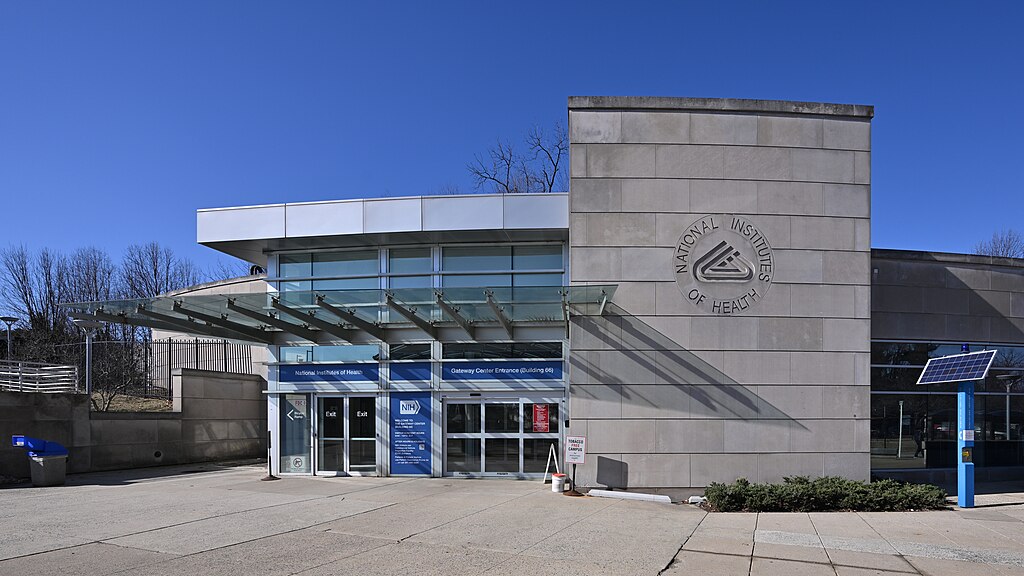
The Trump administration has reached an agreement with researchers and Democratic-led states who filed a lawsuit over cuts to diversity-related research funding at the National Institutes of Health (NIH). The deal, announced Monday, allows stalled or rejected grant applications to move forward for review after months of legal uncertainty surrounding diversity, equity, and inclusion (DEI) research funding.
The dispute began after the NIH canceled hundreds of millions of dollars in research grants, citing concerns that the projects were tied to DEI initiatives rather than core scientific objectives. In response, affected researchers and states sued the federal government, arguing that the funding cuts were unlawful and arbitrary. Earlier this year, U.S. District Judge William Young ruled in Boston that the NIH had improperly terminated the grants, finding that the cancellations violated federal law.
However, the legal battle became more complex in August when the U.S. Supreme Court partially paused Judge Young’s ruling. The high court determined that claims related to the terminated grants should be heard by a specialized federal court that handles monetary disputes with the government. At the same time, the Supreme Court left unresolved a separate issue regarding how the NIH handled applications for future research funding.
Monday’s agreement addresses that unresolved portion of the case. Under the deal, the federal government has agreed to conduct new reviews of grant applications that were frozen, denied, or withdrawn after the policy change was announced. Importantly, the agreement does not require the NIH to approve or fund any specific research proposals, but it does reopen the door for fair consideration.
The researchers involved say the affected grants cover critical public health areas, including HIV prevention, Alzheimer’s disease, LGBTQ health, and sexual violence research. One of the plaintiffs, Nikki Maphis, a postdoctoral researcher at the University of New Mexico, welcomed the development, saying it allows her Alzheimer’s and aging brain research to move forward after what she described as an “arbitrary and destructive freeze.”
The agreement does not affect Judge Young’s earlier ruling blocking the NIH policy itself. The U.S. Department of Health and Human Services has appealed that decision and maintains that it ended funding for research it believes prioritized ideology over scientific rigor.







