


 Malaysia Unveils Energy Security Plan Amid Iran Conflict and Rising Oil Costs
  US to Withdraw 5,000 Troops from Germany Amid Growing Rift with European Allies
  Trump-Xi Beijing Summit to Focus on Trade, Taiwan, and Boeing Deal
  Trump Reportedly Approves Plan to Remove FDA Commissioner Marty Makary Amid Growing Controversies
  FEMA Reinstates Employees After Dissent Letter, Signaling Shift in Workforce Stability
  US Sanctions Target Iran’s Shadow Banking Network and Terror Financing
  U.S. Budget Airlines Seek $2.5 Billion Government Aid Amid Rising Jet Fuel Costs
  Australia Launches Public Hearings on Bondi Beach Shooting and Rising Antisemitism
  China Banks Halt New Loans to Sanctioned Refineries Amid U.S.-Iran Oil Crackdown
  Lula and Trump Talks Signal New Phase in Brazil-US Relations
  Australia Targets Meta, Google, and TikTok With New News Payment Tax Proposal
  Senate Stablecoin Bill Sparks Clash Between Banks and Crypto Industry
  Trump Administration Dismisses Entire National Science Board, Raising Concerns Over Scientific Independence
  Mexico President Claudia Sheinbaum Reconsiders Early School Closure Plan Ahead of 2026 World Cup
  Trump Administration Releases New UFO Files and Apollo Mission Records
  US Adds European Union to Section 301 Watchlist Amid Trade Concerns
  U.S. Sanctions Former DR Congo President Joseph Kabila Over Rebel Support


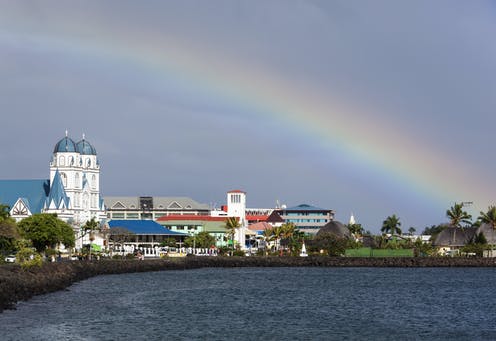
The U.S. Department of the Interior announced Thursday that it is exploring the potential for seabed mineral leasing in federal waters off American Samoa. This marks the beginning of a 30-day public comment period and could lead to the first offshore mineral lease sale in over three decades.
The move follows a push by the U.S. government to secure domestic access to critical minerals such as nickel, copper, and cobalt—resources vital for electric vehicle batteries, renewable energy technologies, and national defense. The initiative gained momentum after President Donald Trump signed an executive order in April 2020 to promote deep-sea mining as a strategic response to China's dominance in the global critical minerals supply chain.
Deep-sea mining firm Impossible Metals recently urged federal officials to initiate a commercial auction for mineral rights off the coast of American Samoa. Their request aligns with the government's broader efforts to reduce reliance on foreign sources and tap into untapped seabed resources.
Interior Secretary Doug Burgum emphasized the strategic importance of the move, stating it would help "unlock our vast offshore mineral resources and end our dangerous dependence on foreign supply chains."
Proponents of deep-sea mining argue it offers a more environmentally manageable alternative to traditional land-based mining, which often faces community opposition. However, environmental groups caution that the ecological impact of seabed mining remains largely unknown and requires more research before large-scale development.
The Interior Department's request for information signals a renewed focus on U.S. offshore resource development, potentially reshaping the landscape of mineral sourcing and deep-sea exploration. As global demand for critical minerals rises, American Samoa could become a strategic site in securing the nation’s future supply chain resilience.







