


 Meta, U.S. States Discuss Settlement in Teen Addiction Trial
  Street Poller Media and The Boom of the Street Interview Ad Industry
  Countries Tighten Social Media Bans for Children
  SoftBank Plans Record $6.3 Billion Bond Sale to Fund OpenAI Investments
  BofA Names ASML Top Semiconductor Equipment Pick on Growth, Valuation
  Trump Administration Plans New Drug Pricing Deals With Biotech Firms
  Nvidia Revenue Soars 106% as AI Demand Hits ‘Inflection Point’
  The Realist’s Case: Lukas Kerrebijn of RD Dubai on the Narrative Dubai’s Agents Won’t Question
  Honda, Nissan Eye Shared Vehicle Software Platform by 2029
  BNP Paribas, KB Kookmin Eye $2 Billion Techcombank Stake
  Nvidia Eyes Perplexity Investment at $30 Billion Valuation
  HP Stock Drops 9% Despite Q3 Earnings Beat and Raised 2026 Outlook
  Nvidia Reportedly Eyes $13 Billion Hugging Face Acquisition
  OpenAI Data Center Chief Chris Malone Exits Ahead of Planned 2027 Listing
  Adidas, Puma Shares Fall as Dick’s Sporting Goods Cuts Outlook
  PayPal Shares Sink as $50 Billion Takeover Bid Collapses
  Pinterest Stock Falls as CFO Julia Brau Donnelly Resigns


 Add as a preferred source on Google
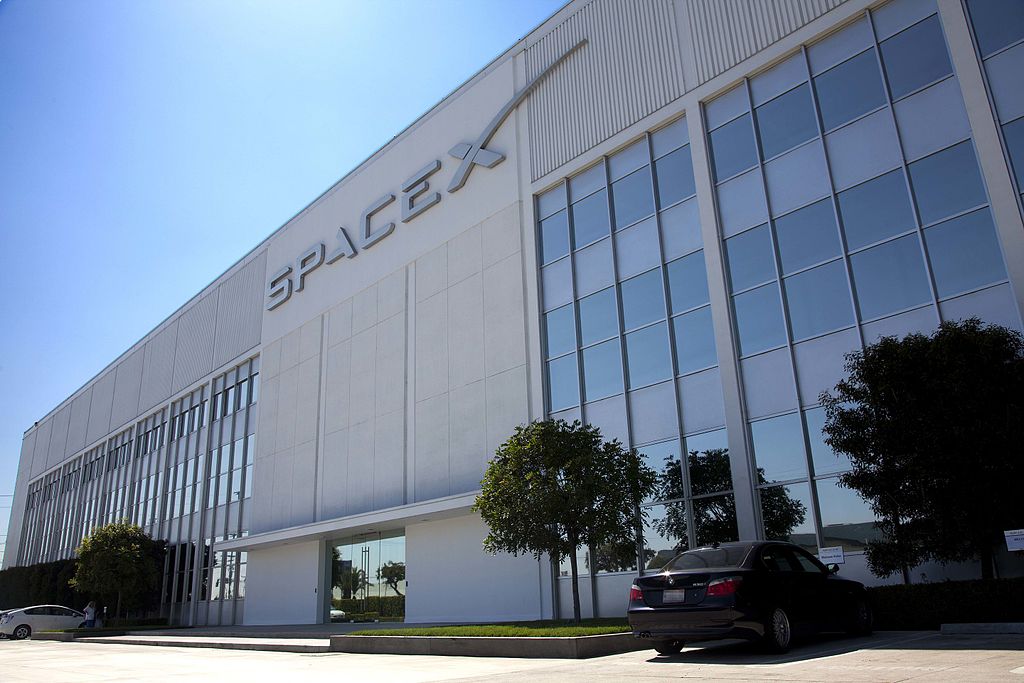
Demand for alternative satellite services in the United States continues to grow, even as SpaceX pushes regulators to tighten market access for foreign competitors. According to Eutelsat CEO Jean-Francois Fallacher, U.S. businesses and the Department of Defense (DoD) are actively seeking diverse satellite solutions to ensure reliability and operational resilience.
SpaceX recently submitted a letter to the Federal Communications Commission (FCC) on April 16, urging restrictions on foreign satellite operators whose home countries impose limitations on U.S. companies. The company specifically referenced Luxembourg-based SES as benefiting from access to the U.S. market, while also criticizing proposed European regulations such as the EU Space Act and Digital Networks Act. SpaceX argues these policies could create barriers for American satellite firms operating in Europe.
Despite these developments, Eutelsat remains confident in its position as a leading European satellite operator and a key competitor to SpaceX’s Starlink. Backed by both French and British governments, the company continues to provide satellite communication services across commercial, government, and military sectors. Although Eutelsat experienced a slowdown in some Pentagon contract renewals last year due to broader U.S. government spending cuts, overall demand has not declined.
Fallacher emphasized that American clients value redundancy and reliability, driving continued interest in alternative satellite providers. Eutelsat delivers services to the U.S. Department of Defense through a proxy arrangement, ensuring compliance with regulatory requirements while maintaining a strong presence in the market. He noted that both private enterprises and defense agencies are actively exploring multiple satellite options to avoid dependence on a single provider.
In addition, Eutelsat is expanding its partnerships by engaging with governments and commercial clients in the U.S. and globally. The company is currently in discussions to host Earth observation and communication payloads on its satellite network, further strengthening its competitive edge.
As geopolitical dynamics and regulatory frameworks evolve, the satellite communications industry is becoming increasingly competitive. However, strong U.S. demand for reliable and diversified satellite services suggests that international operators like Eutelsat will continue to play a vital role in the global space economy.







