


 Brazil Extends Fuel Subsidies and Tax Relief Measures Through July 2026 Amid Global Oil Market Volatility
  US Tightens AI Chip Export Rules, Impacting Nvidia and AMD Sales to Chinese Firms
  Poland Considers Revoking Zelensky’s Top Honor Over Controversial UPA Army Unit Recognition
  Netanyahu Gaza Expansion Plan Sparks Hamas Condemnation and International Concern
  Trump to Launch America 250 Celebration on National Mall as Performers Exit Event
  Russia Prepares New Large-Scale Attack on Ukraine, Zelenskiy Warns
  US-Iran Tensions Escalate as New Strikes Threaten Ceasefire and Impact Global Oil Markets
  Israeli Airstrike Hits Gaza Seafront Cafe, Killing Two and Injuring 12 Amid Fragile Ceasefire
  Trump Nears Decision on Iran Ceasefire Extension as Key Disputes Remain
  Iran-U.S. Nuclear Talks Remain Unresolved as Strait of Hormuz Risks Keep Markets on Edge
  Kentucky School District Secures $27 Million in Social Media Addiction Lawsuit Settlements
  Zelenskiy Pushes for Ukraine-Russia Peace Talks Before Winter Amid Shifting Battlefield Dynamics
  Indo-Pacific Nations Boost Defense Cooperation as China’s Military Rise Reshapes Regional Security
  Trump, Syrian President Sharaa Discuss Sanctions Relief and Economic Recovery in Phone Call
  U.S. Launches Strikes on Iranian Drone and Radar Facilities Following MQ-1 Drone Incident
  US Southern Command Chief Holds Rare Military Meeting With Cuban Officials at Guantanamo Bay
  BCA Research Warns Iran and Ukraine Ceasefires May Offer Limited Relief for Global Markets


U.S. nuclear-capable bombers conducted a high-profile flight over the Sea of Japan alongside Japanese fighter jets this week, underscoring the strength of the U.S.-Japan security alliance amid rising regional tensions involving China and Russia. According to Tokyo, the joint operation was a clear demonstration of deterrence following recent Chinese and Russian military drills near Japan and South Korea.
Japan’s defence ministry said the two countries reaffirmed their resolve to prevent any unilateral attempt to change the regional status quo by force. The mission involved two U.S. B-52 strategic bombers flying with three Japanese F-35 stealth fighters and three F-15 air-superiority jets. It marked the first visible assertion of U.S. military presence since China began large-scale exercises in the region last week, against the backdrop of strained relations between Tokyo and Beijing.
A U.S. official, however, downplayed the significance of the operation, noting that the bomber flights were planned well in advance and were not a direct response to the China-Russia drills. Similar joint sorties were conducted last month, including flights with U.S. B-1B bombers. The White House also emphasized that Washington can maintain a strong alliance with Japan while sustaining a workable relationship with China, despite growing geopolitical frictions.
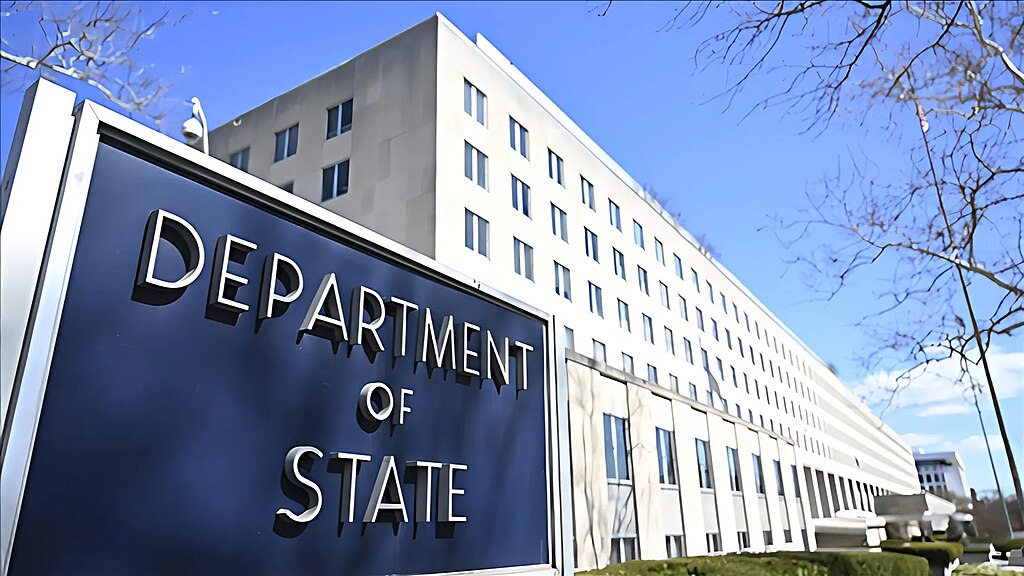
The flights followed a joint patrol by Chinese and Russian strategic bombers in the East China Sea and western Pacific, as well as separate Chinese aircraft carrier drills that prompted Japan to scramble jets after radar targeting incidents. While Beijing denied wrongdoing, the U.S. State Department criticized China’s actions as destabilizing and reaffirmed its unwavering commitment to Japan’s defense.
Tensions have also intensified over Taiwan, where China continues near-daily military activity. Taiwan’s defense ministry reported increased Chinese aircraft and naval operations, including nuclear-capable H-6K bombers, highlighting broader concerns about regional security. As U.S. forces remain heavily stationed in Japan and South Korea, these developments reinforce the strategic importance of allied military cooperation in the Indo-Pacific.







