


 China Expands Export Controls, Adds 20 Japanese Companies to Restricted List
  Trump Signs Memorandum Backing Americans’ Right to Repair Their Own Vehicles
  Maria Corina Machado Vows Return to Venezuela After Earthquakes Despite Obstacles
  Canada Grants C$7 Million to Greenland Molybdenum Mine to Strengthen Critical Minerals Supply
  Serbia Protests Continue as Thousands Rally Despite Vucic’s Resignation Plan
  Javier Milei Cabinet Chief Manuel Adorni Resigns Amid Spending Scandal Investigation
  Trump Announces September Overhaul of Washington’s East Potomac Golf Links
  Trump Urges Gasoline Retailers to Cut Prices to $2.50 Per Gallon, Warns of Legal Action
  Russia Intensifies Assault on Kostiantynivka as Ukraine’s Donetsk Defense Faces Mounting Pressure
  US Strikes Iran Again After Strait of Hormuz Tanker Attack Escalates Ceasefire Tensions
  Mexico, U.S. Launch Sterile Fly Facility to Combat New World Screwworm Outbreak
  Taiwan Coast Guard Officer Finds Strength in Faith as China Increases Pressure in Taiwan Strait
  Iran Skips U.S. Technical Talks Over Unmet MoU Conditions and Frozen Funds Dispute
  Russian Attacks on Dnipro, Zaporizhzhia, and Kharkiv Kill 10 as Ukraine Vows Response
  Israeli Airstrike Kills Three in Central Gaza Despite Ceasefire


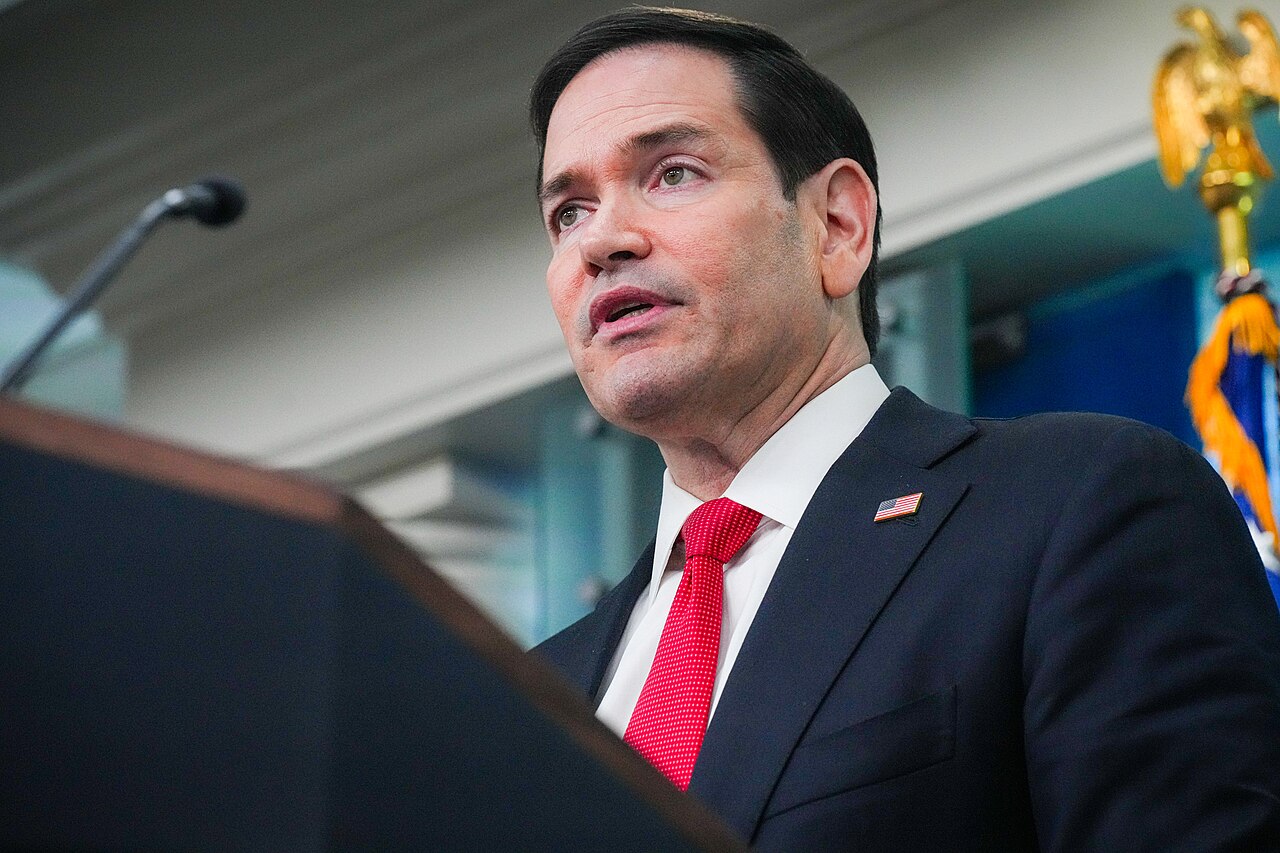
The United States is intensifying diplomatic efforts to reduce tensions between Israel and Lebanon as clashes involving Hezbollah continue to threaten regional stability. U.S. Secretary of State Marco Rubio recently held separate discussions with Lebanese President Joseph Aoun and Israeli Prime Minister Benjamin Netanyahu regarding a proposed framework aimed at achieving a gradual de-escalation of hostilities along the Israel-Lebanon border.
According to a U.S. official, the proposal calls for Hezbollah, the Iran-backed militant group, to immediately halt all attacks against Israel. In exchange, Israel would refrain from escalating military operations in Beirut. U.S. officials believe this initial step could create the conditions necessary for a broader reduction in violence and eventually lead to an effective ceasefire between the two sides.
President Aoun reportedly worked to advance the proposal and secure support from all parties involved. However, Lebanese Parliament Speaker Nabih Berri, who has claimed he can guarantee Hezbollah’s compliance with a ceasefire agreement, argued that Israel must first stop initiating military actions. The differing positions highlight the challenges facing ongoing diplomatic negotiations.
The situation remains tense despite a ceasefire announced more than six weeks ago. Prime Minister Netanyahu stated on Sunday that he had ordered Israeli forces to push further into southern Lebanon as military operations against Hezbollah continue. Israeli troops reportedly captured the historic Beaufort Castle, a nearly 900-year-old fortress, along with a strategically important ridge in southern Lebanon.
The military advance followed one of the most intense days of Hezbollah rocket and missile attacks on northern Israel since the ceasefire took effect in April. The attacks prompted school closures and increased security restrictions in several Israeli communities.
U.S. officials emphasized that Washington does not expect Israel to tolerate continued attacks on civilian populations. The proposed de-escalation plan is viewed as a critical diplomatic effort to prevent a wider conflict and restore stability along the Israel-Lebanon border.







