


 Trump Urges Gasoline Retailers to Cut Prices to $2.50 Per Gallon, Warns of Legal Action
  US Strikes Iran Again After Strait of Hormuz Tanker Attack Escalates Ceasefire Tensions
  Iran Launches Drone Attack on Bahrain After U.S. Strikes, Strait of Hormuz Tensions Escalate
  Javier Milei Cabinet Chief Manuel Adorni Resigns Amid Spending Scandal Investigation
  Serbia Protests Continue as Thousands Rally Despite Vucic’s Resignation Plan
  Trump Threatens 100% Tariffs on Countries Imposing Digital Services Taxes on U.S. Tech Firms
  Mexico, U.S. Launch Sterile Fly Facility to Combat New World Screwworm Outbreak
  Ukraine Strikes Russian Titan-Barrikady Plant With Long-Range FP-5 Flamingo Missile
  Supreme Court Backs Lisa Cook, Defends Federal Reserve Independence Against Trump Firing Attempt
  Sheinbaum Says No One Is Above the Law After Abuse Video of Ex-Pemex Chief Emerges
  Andy Burnham Sets Out Vision to Decentralize Britain as Labour Leadership Race Begins
  Israeli Airstrike Kills Three in Central Gaza Despite Ceasefire
  Australia Plans Higher Fines for Social Media Firms Failing to Block Underage Users
  Australia, Vanuatu Sign Security Pact Amid Pacific Influence Competition
  Maria Corina Machado’s Return to Venezuela Faces U.S. Hesitation After Deadly Earthquakes
  Taiwan Coast Guard Officer Finds Strength in Faith as China Increases Pressure in Taiwan Strait


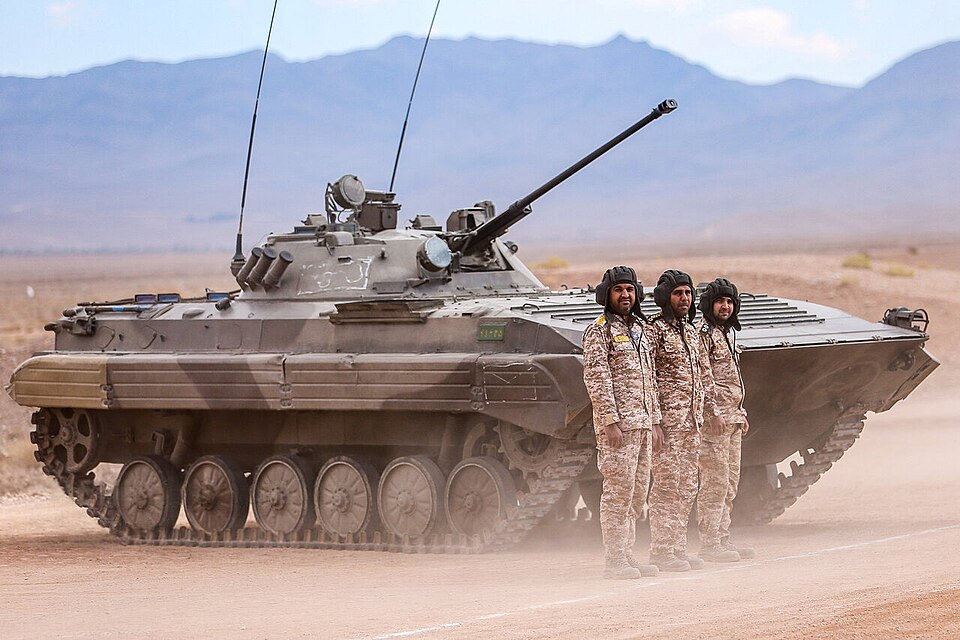
The conflict between the United States and Iran intensified over the weekend as both sides exchanged fresh military strikes, raising concerns about the stability of the fragile ceasefire and the broader economic impact of the ongoing crisis.
According to U.S. Central Command (CENTCOM), American forces carried out strikes against Iranian radar and command facilities located in Goruk and on Qeshm Island. The U.S. military described the operation as a defensive response following the reported downing of a U.S. drone in the region. The latest action marks the third military exchange between Washington and Tehran since last week, highlighting the growing volatility in the Middle East.
In response, Iran’s Islamic Revolutionary Guard Corps (IRGC) announced that it had launched attacks against a U.S. military base allegedly involved in operations targeting southern Iran. While Iranian officials did not identify the specific base, Kuwaiti authorities reported intercepting incoming missiles and drones on Monday, suggesting heightened regional security risks.
The latest confrontation further strains an already fragile ceasefire between the two countries. Despite ongoing indirect negotiations, progress toward a long-term peace agreement remains limited, with both sides continuing to exchange military actions.
U.S. President Donald Trump stated on social media that Iran “really wants to make a deal” and expressed confidence that the situation would eventually be resolved. However, he provided no details regarding the status of negotiations or whether an agreement to end hostilities and reopen the Strait of Hormuz is imminent.
The U.S.-Iran conflict has now entered its fourth consecutive month, with major disagreements remaining over Iran’s nuclear program. Washington continues to demand that Tehran surrender its enriched uranium stockpiles, a proposal Iranian leaders have repeatedly rejected.
Meanwhile, Iran continues to maintain restrictions in the Strait of Hormuz, while a U.S. naval blockade remains in effect. These developments have fueled concerns about global energy supplies, pushing oil prices higher amid fears of prolonged disruptions.
Separately, Iranian officials denied reports suggesting that President Masoud Pezeshkian had resigned amid speculation of increased IRGC influence within the country's leadership.







