


 US Revises UN Resolution on Iran Strait of Hormuz Attacks Amid Russia-China Opposition
  Malaysia Unveils Energy Security Plan Amid Iran Conflict and Rising Oil Costs
  Pope Leo Calls for Peace as Vatican Seeks Better Ties With U.S.
  U.S.-China Beef Trade Deal Hopes Rise Ahead of Trump-Xi Summit
  Judge Delays SEC Settlement With Elon Musk Over Twitter Stock Disclosure Case
  Trump-Xi Beijing Summit to Focus on Trade, Taiwan, and Boeing Deal
  Lula and Trump Talks Signal New Phase in Brazil-US Relations
  Qatar LNG Tanker Crosses Strait of Hormuz Amid Iran War Tensions
  Trump Administration Releases New UFO Files and Apollo Mission Records
  Ukraine-Russia Ceasefire Confirmed as Prisoner Swap Deal Advances
  Rubio Presses Italy Over Iran Support as Tensions Test U.S.-Italy Alliance
  Qatar Condemns Drone Strike as Iran Conflict Threatens Gulf Shipping and Global Markets
  Trump Invites Top CEOs Including Nvidia, Apple, Boeing to China Summit With Xi Jinping
  Senate Stablecoin Bill Sparks Clash Between Banks and Crypto Industry
  Australia’s Wealthy Donors Shift Support to One Nation Amid Conservative Party Decline
  Judge Rules DOGE Humanities Grant Cuts Unconstitutional
  TikTok Nears $400 Million Settlement With Trump Administration Over Child Privacy Lawsuit


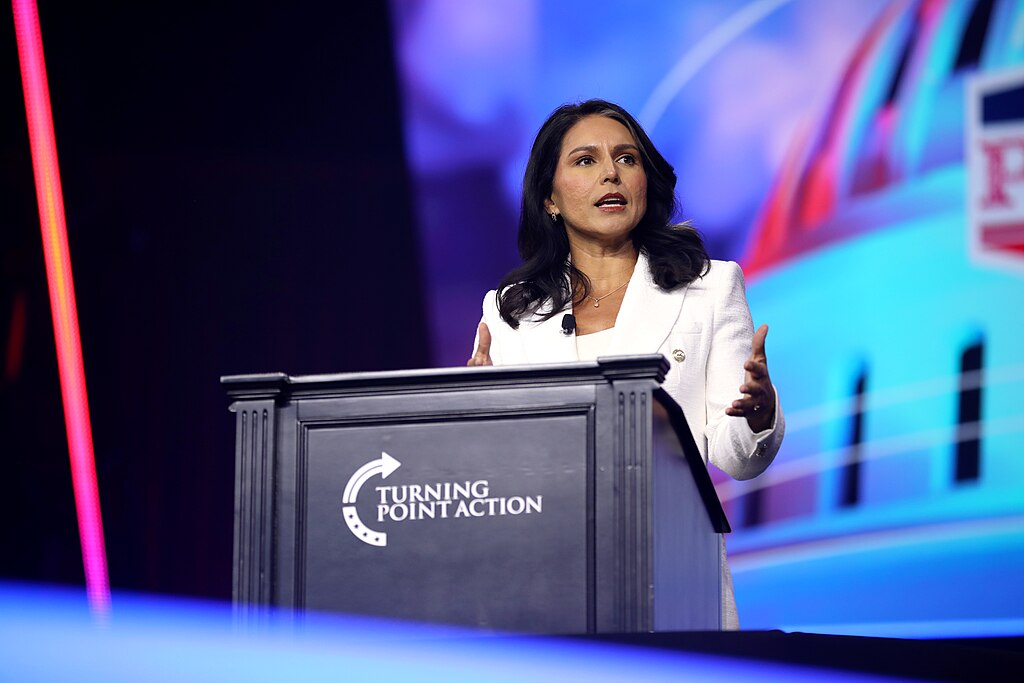
President-elect Donald Trump has nominated Tulsi Gabbard, a former Democratic congresswoman turned Republican, as the next Director of National Intelligence (DNI). The announcement has ignited sharp divisions across political lines, with some hailing the choice as a bold step toward intelligence reform, while others view it as a controversial risk to national security.
Gabbard, who served as a congresswoman from Hawaii and is an Iraq War veteran, has built her political career on questioning U.S. foreign policy and intelligence practices. Her nomination marks a significant shift in Trump’s cabinet composition, signaling an intent to challenge the status quo in national security circles.
Supporters Applaud Gabbard’s Military Background and Reform Agenda
Supporters argue that Gabbard’s firsthand military experience and willingness to critique the intelligence community make her uniquely qualified to lead the Office of the Director of National Intelligence (ODNI). Advocates highlight her history of challenging intelligence agencies on issues such as surveillance overreach, interventionist policies, and transparency.
Many Trump allies see Gabbard’s nomination as a strategic move to address public mistrust of the intelligence community. “Tulsi Gabbard has proven she’s not afraid to speak truth to power,” said one Republican strategist. “Her leadership could bring much-needed reform and accountability.”
Others believe her nomination underscores Trump’s commitment to appointing individuals who prioritize U.S. sovereignty and limit unnecessary foreign entanglements. Gabbard’s outspoken stance on avoiding “endless wars” aligns with Trump’s broader America-first agenda.
Critics Warn of Security Risks and Polarization
However, critics from both parties have raised concerns about Gabbard’s nomination. Former National Security Advisor John Bolton, a vocal opponent, warned that her skepticism of traditional intelligence methods could undermine U.S. security. “To nominate someone with her views, particularly on global intelligence practices, is a mistake,” Bolton stated.
Democratic Congresswoman Alexandria Ocasio-Cortez also criticized the nomination, calling it “an affront to the values of our intelligence community.” She pointed to Gabbard’s perceived alignment with authoritarian regimes as evidence of potential conflicts with U.S. national interests.
The backlash has extended to intelligence experts who worry that Gabbard’s positions might weaken the agency’s global partnerships. Some view her nomination as a polarizing choice that could hinder bipartisan cooperation in safeguarding national security.
Social Media Reactions Highlight Polarized Views
Public reactions on social media underscore the deep divide over Gabbard’s nomination:
- @PatriotFirst23: “Finally, a leader who will clean up the intelligence swamp! Tulsi is exactly what we need.”
- @ResistNow2024: “This is reckless. Gabbard’s nomination puts our country’s safety at risk. Trump is endangering us all.”
- @VetsForChange: “As a veteran, I trust Tulsi to fight for what’s right. She knows the cost of war.”
- @IntelligenceMatters: “Gabbard has no business leading our intelligence community. Bolton is right—this is a dangerous move.”
- @LibertyWatch88: “Bold choice by Trump. Tulsi’s a reformer who will expose the truth behind intelligence failures.”
- @PolicyAnalystDC: “This nomination highlights how divided we are. Can intelligence reforms even happen with this much controversy?”
Looking Ahead: The Confirmation Battle
Gabbard’s nomination sets the stage for a contentious confirmation process. While her advocates praise her as a reformer capable of addressing long-standing intelligence issues, critics argue that her leadership could destabilize crucial operations. The Senate confirmation hearings are expected to be a battleground for these opposing viewpoints.
Regardless of the outcome, Gabbard’s nomination has reignited debates about the role of the intelligence community and the need for accountability. As Washington braces for the confirmation process, Americans are left to wonder whether her leadership will bring reform or exacerbate division.







