


 TikTok Nears $400 Million Settlement With Trump Administration Over Child Privacy Lawsuit
  Trump Administration Releases New UFO Files and Apollo Mission Records
  U.S., South Korea Launch Shipbuilding Partnership Initiative
  Rubio Presses Italy Over Iran Support as Tensions Test U.S.-Italy Alliance
  Trump-Xi Beijing Summit to Focus on Trade, Taiwan, and Boeing Deal
  Mexico President Claudia Sheinbaum Reconsiders Early School Closure Plan Ahead of 2026 World Cup
  Vietnam Plans AI-Driven Propaganda Push With Influencers and Podcasts
  U.S.-China Beef Trade Deal Hopes Rise Ahead of Trump-Xi Summit
  Lula and Trump Talks Signal New Phase in Brazil-US Relations
  Germany Rejects Putin’s Proposal for Schroeder to Mediate Ukraine Peace Talks
  Ukraine-Russia Ceasefire Confirmed as Prisoner Swap Deal Advances
  US Revises UN Resolution on Iran Strait of Hormuz Attacks Amid Russia-China Opposition
  Trump Reportedly Approves Plan to Remove FDA Commissioner Marty Makary Amid Growing Controversies
  Trump Invites Top CEOs Including Nvidia, Apple, Boeing to China Summit With Xi Jinping
  Senate Stablecoin Bill Sparks Clash Between Banks and Crypto Industry
  Pope Leo Calls for Peace as Vatican Seeks Better Ties With U.S.
  Judge Delays SEC Settlement With Elon Musk Over Twitter Stock Disclosure Case


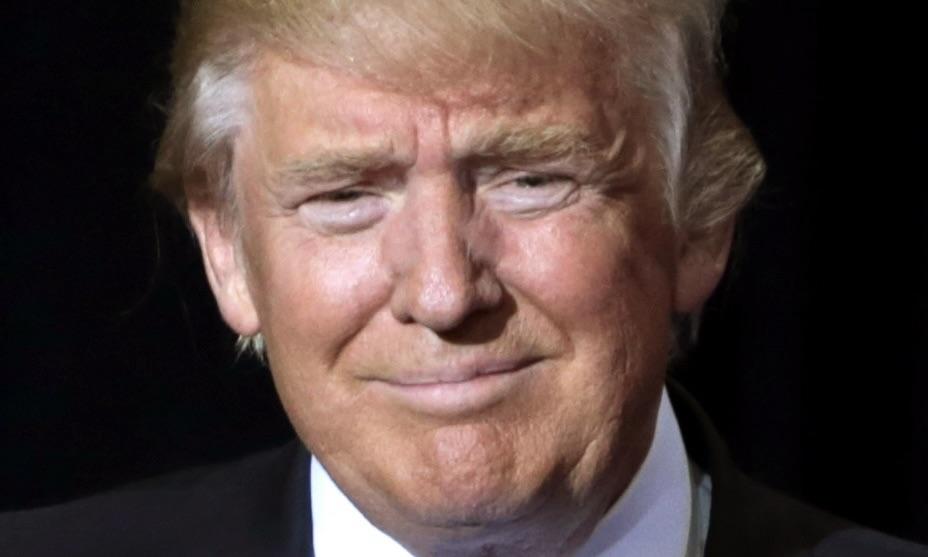
Former President Donald Trump’s transition team has announced it will forego taxpayer funding for costs associated with the upcoming transition process, remaining consistent with his stated commitment to “save taxpayers’ hard-earned money.” Susie Wiles, a senior Trump aide, confirmed the decision on Tuesday, noting that the transition will instead rely on private funding sources to cover its expenses.
This move comes as Trump prepares to assume office once again following his 2024 election victory. Traditionally, presidential transitions are funded by the General Services Administration (GSA), which allocates millions in taxpayer dollars to ensure a smooth transfer of power. Trump’s decision to decline these funds, however, has drawn mixed reactions, with some hailing it as fiscally responsible and others questioning its implications for transparency.
A History of Fiscal Conservatism
Trump’s latest decision aligns with his campaign promise to prioritize government cost-cutting and accountability. In a statement released by the transition team, Wiles emphasized that the former president is committed to demonstrating fiscal discipline and reducing unnecessary government spending.
“This is about practicing what he preaches,” said Wiles. “By opting for private funding, President-elect Trump is showing that his administration will continue to prioritize fiscal responsibility.”
This is not the first time Trump has rejected government resources. During his first term, he frequently highlighted his decision to donate his presidential salary to federal agencies and programs.
Concerns Over Transparency and Accountability
Critics, however, have raised concerns about potential conflicts of interest and a lack of transparency in privately funding a presidential transition. Some argue that relying on private donations could allow special interest groups to exert undue influence during a crucial phase of governance.
Advocacy groups, including Citizens for Responsibility and Ethics in Washington (CREW), have called on the Trump team to disclose the sources of private funding and ensure the transition process remains transparent and ethical.
“This decision creates a murky situation where donors might expect political favors in return for their financial support,” said a CREW spokesperson. “Taxpayer funding ensures accountability, and rejecting it raises valid questions about who will be footing the bill.”
Public Reactions to the Move
The announcement has sparked heated discussions online, with netizens sharing a range of opinions.
- @FiscalHawk: “Finally, a leader who puts taxpayers first! This is how you run a government efficiently.”
- @TransparencyNow: “Private funding? Sounds like a way to hide who’s really pulling the strings. We deserve better.”
- @MAGA4Life: “Trump is saving us money while Biden blew through taxpayer dollars. This is why we elected him again!”
- @PolicyWatcher: “Refusing GSA funds is performative at best. Let’s see how transparent this private funding really is.”
- @LibertyAndLogic: “Taxpayer funding is the safest option for accountability. This is just Trump trying to score cheap points.”
- @FairGov2024: “Private donations for public transitions? Red flag. We need clear reporting on where this money comes from.”
Balancing Fiscal Responsibility and Public Accountability
As Trump’s transition team moves forward, the decision to forego taxpayer funding is poised to remain a contentious issue. Supporters view it as a bold step toward fiscal responsibility, while critics question its implications for transparency in government.
While Trump continues to advocate for cutting costs and minimizing government spending, calls for greater accountability in privately funded processes are likely to grow louder. Whether this approach will deliver on its promise of savings or create unforeseen challenges remains to be seen.







