


 Trump Questions Housing Bill as He Prioritizes SAVE America Act
  Trump Signs Memorandum Backing Americans’ Right to Repair Their Own Vehicles
  Javier Milei Cabinet Chief Manuel Adorni Resigns Amid Spending Scandal Investigation
  Serbia Protests Continue as Thousands Rally Despite Vucic’s Resignation Plan
  Australia Plans Higher Fines for Social Media Firms Failing to Block Underage Users
  China Expands Export Controls, Adds 20 Japanese Companies to Restricted List
  Australia, Vanuatu Sign Security Pact Amid Pacific Influence Competition
  Ukraine Strikes Russian Titan-Barrikady Plant With Long-Range FP-5 Flamingo Missile
  Iran Skips U.S. Technical Talks Over Unmet MoU Conditions and Frozen Funds Dispute
  Trump Suspends Some Morocco Fertilizer Tariffs to Ease U.S. Supply Shortage
  Russia Intensifies Assault on Kostiantynivka as Ukraine’s Donetsk Defense Faces Mounting Pressure
  Russian Attacks on Dnipro, Zaporizhzhia, and Kharkiv Kill 10 as Ukraine Vows Response
  Maria Corina Machado Vows Return to Venezuela After Earthquakes Despite Obstacles
  Supreme Court Backs Lisa Cook, Defends Federal Reserve Independence Against Trump Firing Attempt
  US, Iran Agree to Halt Attacks Ahead of Doha Talks on Strait of Hormuz
  Mexico, U.S. Launch Sterile Fly Facility to Combat New World Screwworm Outbreak


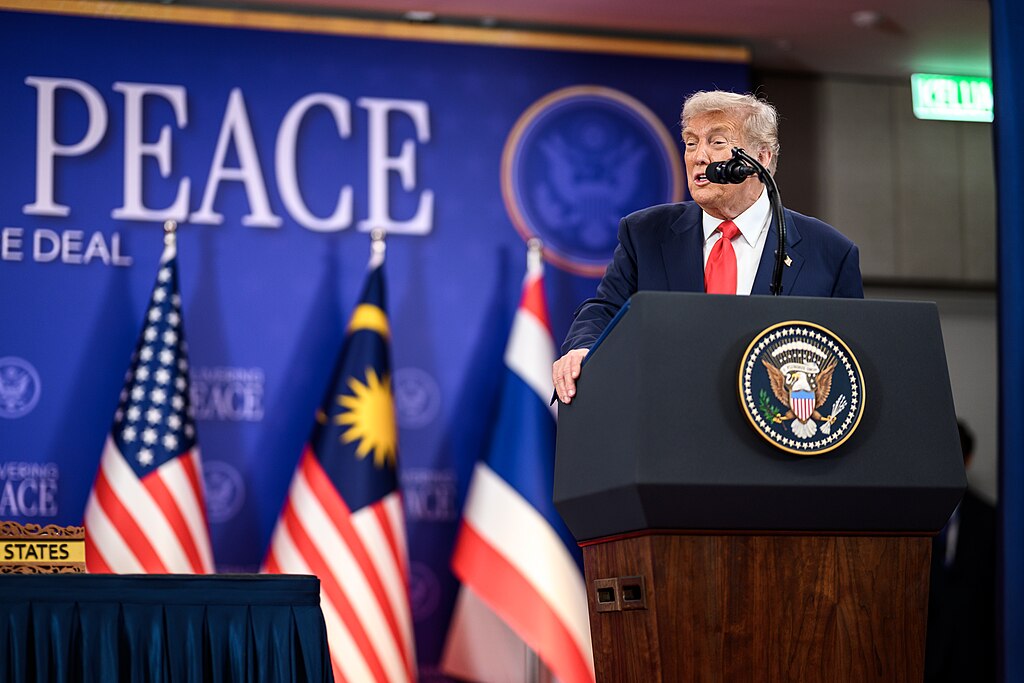
President Donald Trump is reportedly open to halting U.S. military operations against Iran even if the Strait of Hormuz remains blocked, according to a Wall Street Journal report published Monday. The development marks a significant shift in Washington's strategic calculus as the conflict stretches into its second month.
According to administration officials cited by the WSJ, Trump and his national security team concluded that any military mission to forcibly reopen the strait would extend the conflict well beyond the president's preferred four-to-six-week timeline. As a result, Trump has reportedly decided to wind down active hostilities once the U.S. achieves its core objectives — namely, degrading Iran's naval capabilities and depleting its missile stockpiles.
Rather than pursuing a military solution to reopen the critical waterway, Washington plans to rely on diplomatic pressure. If Tehran refuses to restore access, the U.S. intends to coordinate with European and Gulf allies to take the lead on reopening the passage.
The Strait of Hormuz sits at the center of the broader U.S.-Israel campaign against Iran. Tehran has effectively choked off the channel using mines and missile strikes, disrupting a waterway that carries approximately 20% of global oil supply. The blockade has driven a sharp spike in worldwide oil and gas prices over the past month, rattling energy markets and raising alarm among major importing nations.
Trump had previously issued an April 6 deadline demanding Iran reopen the strait or face strikes on its energy and water infrastructure. Iran has largely dismissed these ultimatums and continued attacking commercial tankers attempting to navigate the passage.
With military action on the strait now seemingly off the table, the standoff shifts to the diplomatic arena — leaving global energy markets in a fragile and closely watched state.







