


 Trump Urges Gasoline Retailers to Cut Prices to $2.50 Per Gallon, Warns of Legal Action
  US Dollar Slips After PCE Inflation Data as Fed Rate Hike Expectations Stay Elevated
  Australia, Vanuatu Sign Security Pact Amid Pacific Influence Competition
  Japan Targets 1%+ Real Economic Growth With ¥370 Trillion Investment Plan
  Andy Burnham Sets Out Vision to Decentralize Britain as Labour Leadership Race Begins
  Gold Price Ends Lower for Fourth Week Despite Rebound as Fed Rate Hike Bets Strengthen
  Russian Attacks Kill Four in Ukraine as Zaporizhzhia and Kharkiv Come Under Fire
  Iran Skips U.S. Technical Talks Over Unmet MoU Conditions and Frozen Funds Dispute
  RBA Minutes Signal Australia Central Bank Remains Ready to Raise Interest Rates if Inflation Persists
  US Strikes Iran Again After Strait of Hormuz Tanker Attack Escalates Ceasefire Tensions
  Oil Prices Slip as U.S.-Iran Peace Talks and Strait of Hormuz Risks Keep Markets on Edge
  US, Iran Agree to Halt Attacks Ahead of Doha Talks on Strait of Hormuz
  Argentina Economy Shrinks 1.5% in April, Recovery Under Milei Loses Momentum
  Trump Announces September Overhaul of Washington’s East Potomac Golf Links
  US Stock Futures Steady as Investors Await Payrolls Data and Monitor Iran Tensions
  Economic pessimism has set in – but there are reasons for Australians to be hopeful
  Gold Price Falls as Fed Rate Hike Fears and U.S.-Iran Tensions Weigh on Bullion


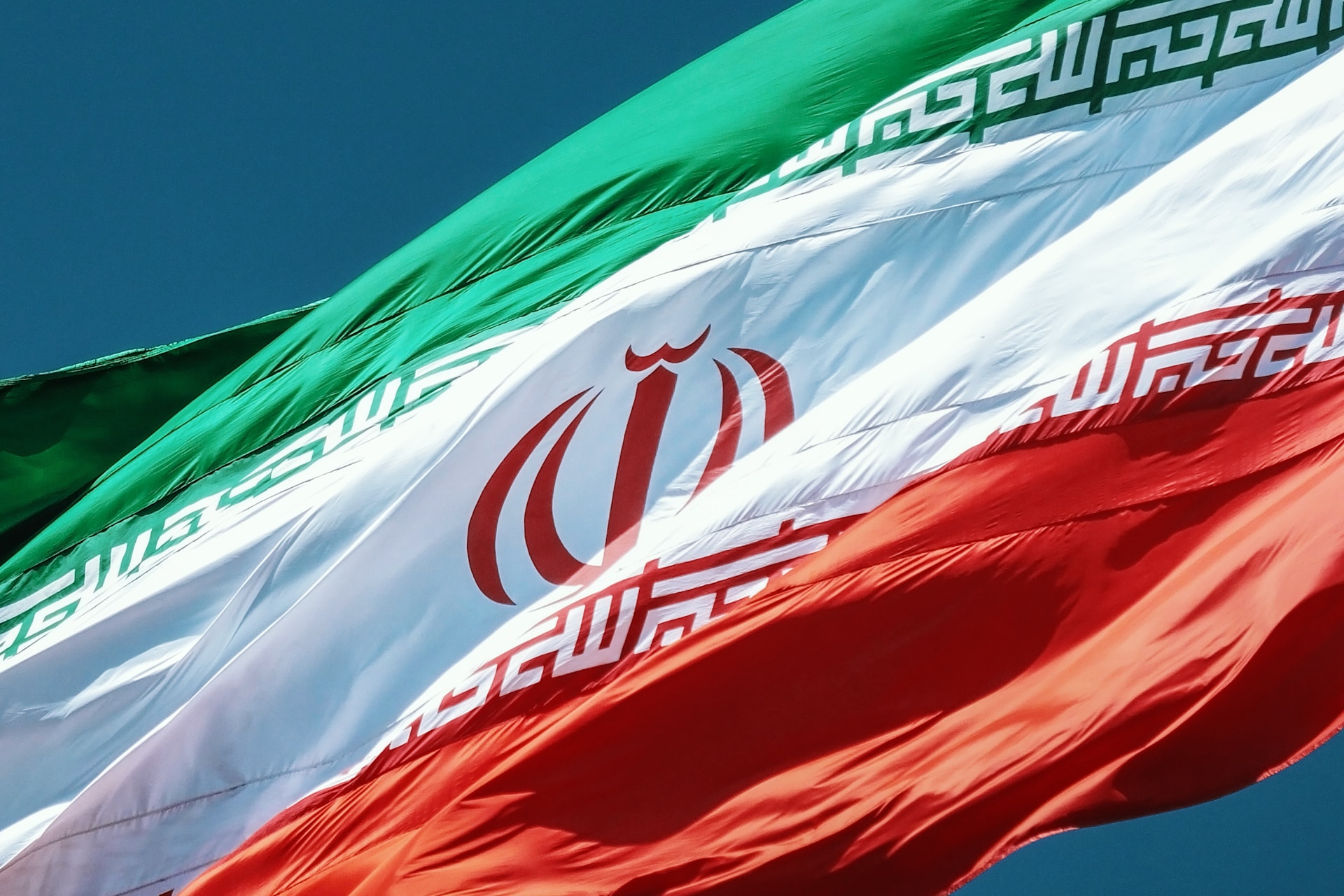
Iran launched an attack on a fully loaded crude oil tanker off the coast of Dubai on Monday, setting the Kuwait-flagged vessel Al-Salmi ablaze in one of the most dramatic escalations since the United States and Israel launched military operations against Iran on February 28. The strike adds to a growing series of assaults on commercial ships throughout the Gulf and Strait of Hormuz using missiles and explosive drones.
Dubai authorities confirmed they eventually brought the fire under control after what was described as a drone attack on the tanker, which has the capacity to hold approximately 2 million barrels of crude oil valued at over $200 million. Kuwait Petroleum Corp, the vessel's owner, launched a damage assessment and flagged concerns over a potential oil spill, though no casualties were reported.
The attack sent crude oil prices climbing past $101 per barrel, pushing the U.S. national average gasoline price above $4 per gallon for the first time in over three years. The economic pressure has become a growing political liability for President Trump, who had pledged to reduce energy costs for American households.
Tensions continue to ripple across the region. Iran-aligned Houthi forces fired missiles and drones at Israel, while a ballistic missile launched from Iran crossed into Turkish airspace before being intercepted by NATO defenses. Israeli strikes hit targets in Tehran and Beirut, and three UN peacekeepers lost their lives in southern Lebanon.
On the diplomatic front, Iran confirmed receiving U.S. peace proposals through intermediaries but dismissed them as unrealistic. Trump, while signaling progress in negotiations and an April 6 deadline for a deal, threatened to destroy Iranian oil infrastructure, power plants, and Kharg Island if the Strait of Hormuz — a critical corridor for roughly one-fifth of global oil and gas supplies — remains closed.







