


 US Adds European Union to Section 301 Watchlist Amid Trade Concerns
  Senate Stablecoin Bill Sparks Clash Between Banks and Crypto Industry
  Australia Targets Meta, Google, and TikTok With New News Payment Tax Proposal
  China Banks Halt New Loans to Sanctioned Refineries Amid U.S.-Iran Oil Crackdown
  Google Secures Pentagon AI Deal for Classified Projects
  Australia Launches Public Hearings on Bondi Beach Shooting and Rising Antisemitism
  Russian LNG Shadow Fleet Expands Amid Arctic LNG 2 Sanctions
  Trump-Xi Beijing Summit to Focus on Trade, Taiwan, and Boeing Deal
  Trump Administration Dismisses Entire National Science Board, Sparking Debate Over Scientific Independence
  US-Iran Ceasefire Under Pressure as Fresh Strait of Hormuz Clashes Shake Oil Markets
  Rubio Presses Italy Over Iran Support as Tensions Test U.S.-Italy Alliance
  U.S. Sanctions Former DR Congo President Joseph Kabila Over Rebel Support
  Brazil Pension Fund Crackdown After Banco Master Collapse Raises Investment Concerns
  U.S. Fast-Tracks $8.6 Billion Arms Sales to Middle East Allies Amid Rising Tensions
  Israel Expands Gaza Restricted Zones, Raising Concerns for Civilians and Aid Access
  Israel’s Secret Iraq Base Allegedly Supported Iran Air Campaign, WSJ Reports
  Medicare to Cover GLP-1 Weight-Loss and Diabetes Drugs Starting July 1


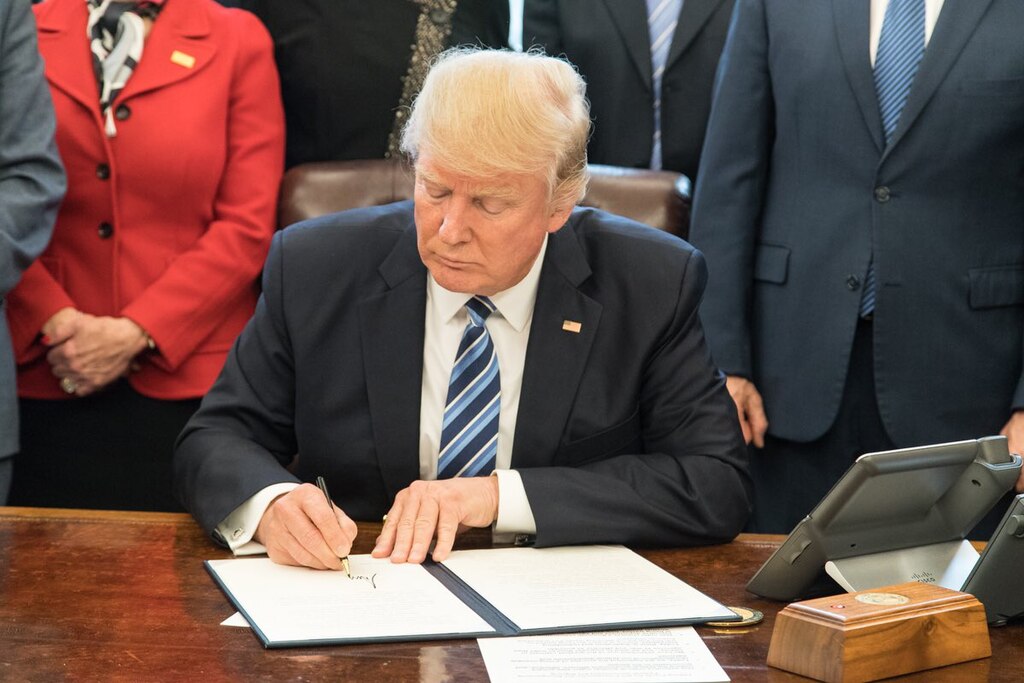
President Donald Trump on Wednesday signed an executive order establishing a second emergency board aimed at preventing a potential work stoppage at the Long Island Rail Road (LIRR), a critical transportation system serving nearly 300,000 passengers each day across New York. The move underscores growing concerns about the economic and commuter impact of a possible strike amid an ongoing labor dispute that has stretched on for more than three years.
The executive order comes after a coalition of five labor unions once again called on the president to intervene. These unions represent a significant portion of the LIRR workforce and have warned that a strike could occur if negotiations with management fail to produce a new contract. The dispute centers on wages, benefits, and working conditions, issues that have remained unresolved despite years of talks.
This is not the first time federal action has been taken to address the situation. In September, President Trump appointed an initial emergency board to mediate between the railroad and union representatives. That intervention was designed to prevent a strike ahead of a major golf tournament in the New York area, which would have drawn large crowds and placed additional strain on regional transportation.
The newly appointed emergency board will once again focus on mediation and fact-finding, with the goal of encouraging both sides to reach an agreement without disrupting service. Under federal labor law, the creation of such a board temporarily blocks unions from striking while negotiations continue, providing a cooling-off period intended to protect the public interest.
The Long Island Rail Road plays a vital role in the daily lives of New York commuters, connecting suburban communities to Manhattan and other employment centers. Any interruption in service could have wide-reaching consequences for the regional economy, traffic congestion, and overall productivity.
By signing this executive order, President Trump signaled his administration’s intent to maintain stability in essential transportation services while urging both labor unions and management to work toward a fair and lasting resolution.







