


 US Waives Iran Sanctions for 60 Days as Peace Talks Advance and Lebanon Sees Calm
  Australia Eases Capital Gains Tax Reforms to Support Small Businesses and Startups
  Russia Intensifies Assault on Kostiantynivka as Ukraine’s Donetsk Defense Faces Mounting Pressure
  Italy Investigates Microsoft Over Microsoft 365 AI Subscription Price Hike
  China Expands Export Controls, Adds 20 Japanese Companies to Restricted List
  Trump Urges Gasoline Retailers to Cut Prices to $2.50 Per Gallon, Warns of Legal Action
  Russian Attacks Kill Four in Ukraine as Zaporizhzhia and Kharkiv Come Under Fire
  Trump Signs Memorandum Backing Americans’ Right to Repair Their Own Vehicles
  Australia Plans Higher Fines for Social Media Firms Failing to Block Underage Users
  Trump Threatens 100% Tariffs on Countries Imposing Digital Services Taxes on U.S. Tech Firms
  Sheinbaum Says No One Is Above the Law After Abuse Video of Ex-Pemex Chief Emerges
  Trump Suspends Some Morocco Fertilizer Tariffs to Ease U.S. Supply Shortage
  Trump Questions Housing Bill as He Prioritizes SAVE America Act
  RFK Jr. Orders Extended Hantavirus Quarantine for Cruise Passenger
  US, Iran Agree to Halt Attacks Ahead of Doha Talks on Strait of Hormuz
  Maria Corina Machado’s Return to Venezuela Faces U.S. Hesitation After Deadly Earthquakes
  US Seizes Nearly 400 Illegal World Cup Streaming Domains in Global Anti-Piracy Crackdown


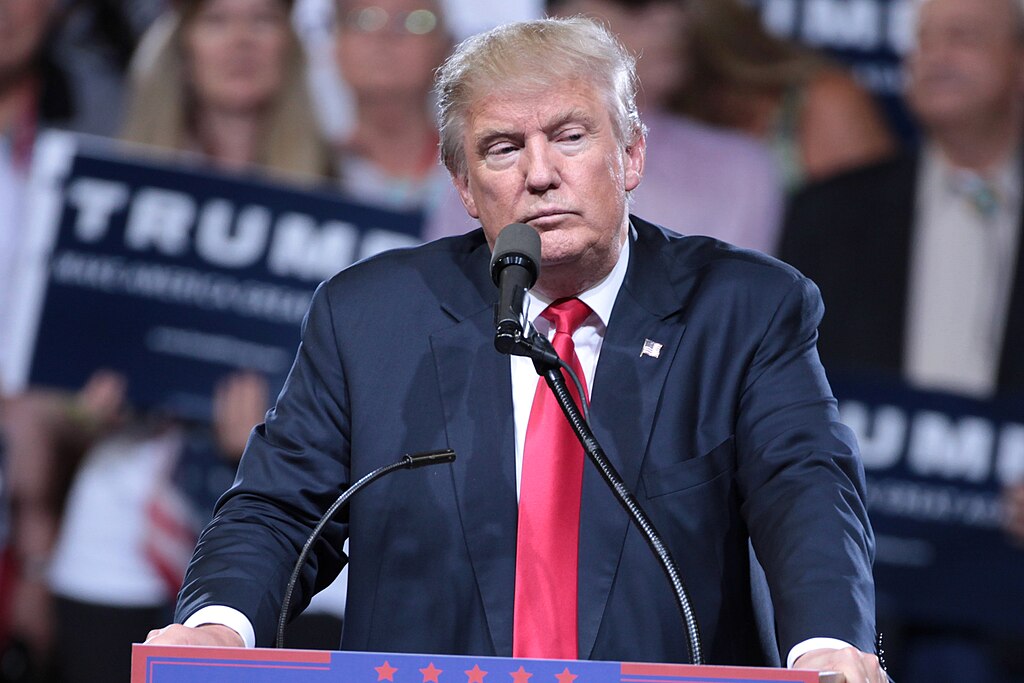
President Donald Trump signed a sweeping executive order Tuesday aimed at tightening mail-in voting regulations across the United States, setting off immediate legal threats from voting rights advocates and Democratic leaders who called the move unconstitutional.
The order directs federal agencies to compile verified lists of U.S. citizens eligible to vote in each state, working alongside state election officials to strengthen voter roll accuracy. Under the new directive, absentee ballots would only be sent to voters appearing on state-approved mail-in ballot lists. The order also mandates tamper-resistant ballot envelopes equipped with unique tracking barcodes to improve election security.
Trump dismissed concerns about the order's legal standing, arguing only a court could stop it while criticizing what he described as "rogue" judges. Voting rights organizations and election law experts pushed back strongly. NAACP President Derrick Johnson declared the order both unconstitutional and "unserious," predicting it would not survive legal scrutiny. Election integrity researcher David Becker called it "clearly unconstitutional," predicting immediate court intervention. California Governor Gavin Newsom announced the state would challenge the order in court, accusing Trump of attempting to restrict American participation in democracy.
The executive action builds on Trump's long-standing and widely disputed claims that widespread mail-in voter fraud cost him the 2020 presidential election — claims that have been repeatedly rejected by courts and election officials. The move also coincides with Senate debate over the SAVE America Act, which would require proof of citizenship to register and a photo ID to vote. The bill, already passed by the House, faces a difficult path in the Senate due to a lack of votes needed to overcome Democratic opposition.
Notably, Trump himself voted by mail in a recent Florida special election, citing presidential obligations as his reason for doing so.







