


 Johns Hopkins University Lays Off 110 Employees as Federal Research Funding Declines
  US Waives Iran Sanctions for 60 Days as Peace Talks Advance and Lebanon Sees Calm
  Serbia President Aleksandar Vucic to Resign, Calls Early Elections After Months of Protests
  DOJ Sues Virginia Over Law Enforcement Mask Ban
  Texas Approves Bible-Inclusive Reading Lists for Public Schools Starting in 2030
  Australia, Vanuatu Sign Security Pact Amid Pacific Influence Competition
  Trump Announces September Overhaul of Washington’s East Potomac Golf Links
  Italy Investigates Microsoft Over Microsoft 365 AI Subscription Price Hike
  Canada Grants C$7 Million to Greenland Molybdenum Mine to Strengthen Critical Minerals Supply
  Taiwan Coast Guard Officer Finds Strength in Faith as China Increases Pressure in Taiwan Strait
  Australia Sues Amazon Over Prime Video Ads and Subscription Terms
  RFK Jr. Orders Extended Hantavirus Quarantine for Cruise Passenger
  U.S. Eases Iran Team Travel Restrictions Ahead of Seattle World Cup Match
  China Expands Export Controls, Adds 20 Japanese Companies to Restricted List
  NHTSA Investigates Fatal Tesla Model 3 Crash in Texas Amid Ongoing Autopilot and FSD Safety Scrutiny
  Trump Threatens 100% Tariffs on Countries Imposing Digital Services Taxes on U.S. Tech Firms


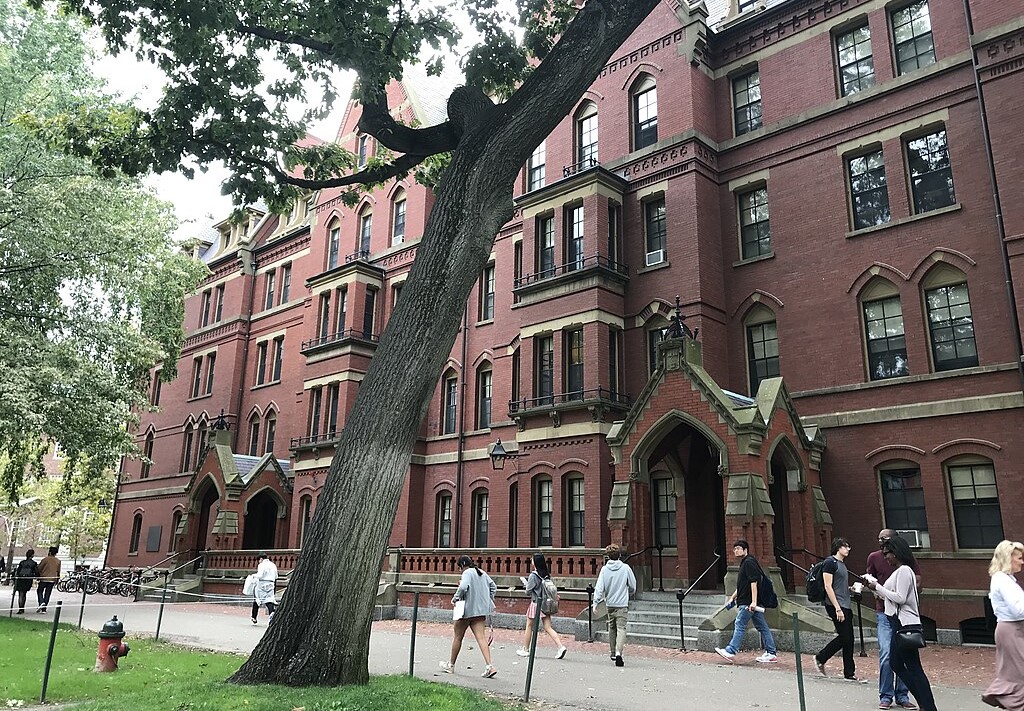
The Trump administration has escalated its campaign against Harvard University by launching two fresh federal investigations, intensifying an already fierce standoff between the White House and one of America's most prestigious academic institutions.
The U.S. Department of Education's civil rights office announced the probes, which will examine whether Harvard continues to use race-based preferences in admissions following the Supreme Court's landmark 2023 ruling that effectively ended affirmative action. A second investigation targets allegations of antisemitism on Harvard's campus, an issue that has become a central flashpoint in the administration's broader crackdown on elite universities.
Harvard firmly denied any wrongdoing, with a spokesperson stating the university remains fully compliant with federal admissions law and is deeply committed to combating antisemitism. The school characterized the new probes as retaliatory moves aimed at pressuring Harvard to abandon its institutional independence and constitutional rights.
This latest action adds to a growing pile of legal confrontations. The administration filed two separate lawsuits against Harvard earlier this year — one seeking billions of dollars over alleged failures to protect Jewish students, and another demanding compliance with a federal admissions data investigation. Privacy advocates and former Biden-era officials have warned that such data collection could be weaponized against civil rights protections.
Harvard is not alone in facing federal pressure. Columbia University recently reached a settlement with the Trump administration, agreeing to pay over $200 million — an arrangement that academic experts have criticized as setting a troubling "pay-to-play" precedent for higher education institutions.
Critics also note that while the administration has aggressively pursued antisemitism-related probes, it has not launched comparable investigations into Islamophobia or anti-Palestinian discrimination on college campuses, raising concerns about selective enforcement and political motivation behind the federal scrutiny.







