


 TrumpRx.gov Highlights GLP-1 Drug Discounts but Offers Limited Savings for Most Americans
  Trump Allows Commercial Fishing in Protected New England Waters
  Federal Judge Restores Funding for Gateway Rail Tunnel Project
  Missouri Judge Dismisses Lawsuit Challenging Starbucks’ Diversity and Inclusion Policies
  Trump Backs Nexstar–Tegna Merger Amid Shifting U.S. Media Landscape
  TrumpRx Website Launches to Offer Discounted Prescription Drugs for Cash-Paying Americans
  Jack Lang Resigns as Head of Arab World Institute Amid Epstein Controversy
  India–U.S. Interim Trade Pact Cuts Auto Tariffs but Leaves Tesla Out
  U.S. to Begin Paying UN Dues as Financial Crisis Spurs Push for Reforms
  Ohio Man Indicted for Alleged Threat Against Vice President JD Vance, Faces Additional Federal Charges
  Trump’s Inflation Claims Clash With Voters’ Cost-of-Living Reality
  U.S. Announces Additional $6 Million in Humanitarian Aid to Cuba Amid Oil Sanctions and Fuel Shortages
  U.S.-India Trade Framework Signals Major Shift in Tariffs, Energy, and Supply Chains
  Trump Endorses Japan’s Sanae Takaichi Ahead of Crucial Election Amid Market and China Tensions
  Trump Says “Very Good Talks” Underway on Russia-Ukraine War as Peace Efforts Continue
  New York Legalizes Medical Aid in Dying for Terminally Ill Patients
  Trump Lifts 25% Tariff on Indian Goods in Strategic U.S.–India Trade and Energy Deal


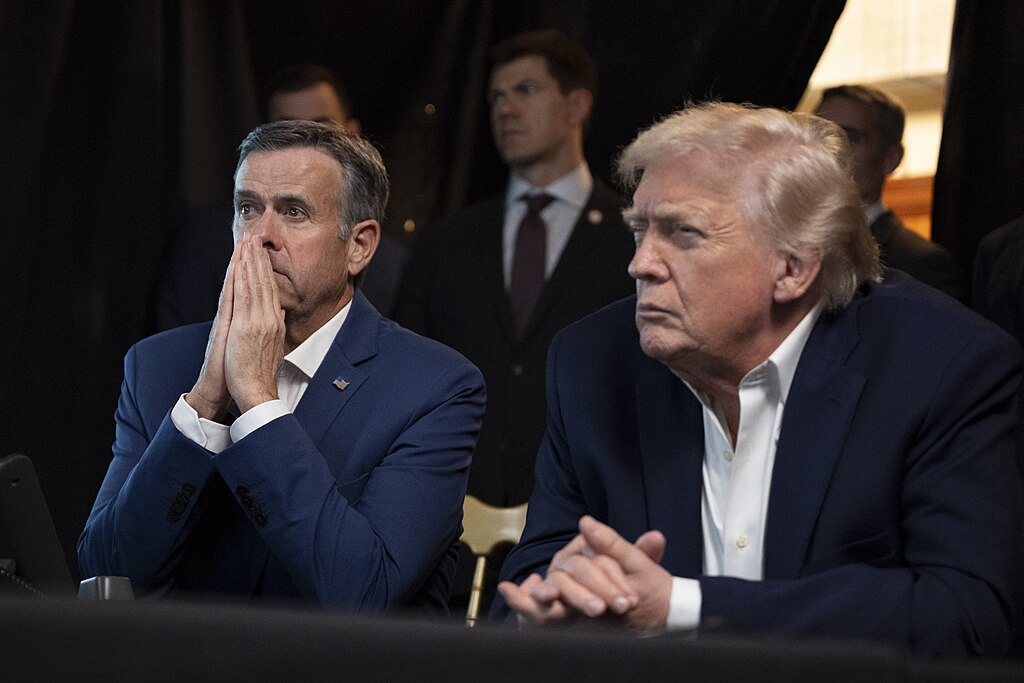
U.S. President Donald Trump said on Tuesday that his administration will “very shortly” begin targeting illegal drugs entering the United States by land, expanding its anti-drug strategy beyond maritime operations. Speaking to reporters at the White House, Trump highlighted recent U.S. military actions against suspected drug-smuggling vessels in the Caribbean Sea and the Pacific Ocean, claiming those efforts have already reduced the flow of narcotics into the country by water.
According to Trump, intensified strikes and surveillance at sea have disrupted major drug trafficking routes used by criminal organizations to transport illegal substances into the United States. He argued that as maritime pathways become more difficult for traffickers to use, drug smugglers are increasingly turning to land-based routes, prompting the administration to shift its focus accordingly. While the president did not specify which country or countries were involved in land-based drug transportation, his comments suggested a broader enforcement push at U.S. land borders.
The announcement comes amid ongoing concerns about drug trafficking, border security, and the opioid crisis, which continues to affect communities across the United States. Trump has repeatedly emphasized a hardline approach to combating drug cartels, linking the issue to national security and public safety. His administration has previously supported increased funding for border enforcement, enhanced cooperation with international partners, and the use of military resources to combat transnational criminal networks.
By signaling a move toward targeting drugs coming in by land, Trump reinforced his administration’s commitment to a comprehensive anti-drug strategy. The president suggested that enforcement efforts would adapt to changing trafficking patterns, ensuring that drug smugglers cannot simply shift routes to avoid detection. He did not provide details on the specific measures that would be taken, but analysts expect increased border inspections, intelligence-sharing, and possible coordination with neighboring countries.
As the administration prepares to expand its focus, the issue of drug trafficking is likely to remain a central topic in U.S. policy discussions, particularly as it intersects with debates over border control, immigration, and law enforcement priorities.













