


 US Reviews Mexican Consulates Amid Rising Diplomatic Tensions
  Asian Stocks Slide as Iran Tensions Escalate Despite Strong Weekly Gains
  Trump Invites Top CEOs Including Nvidia, Apple, Boeing to China Summit With Xi Jinping
  Trump-Xi Meeting 2026: U.S.-China Trade Tensions Escalate Ahead of Beijing Summit
  U.S.-China Beef Trade Deal Hopes Rise Ahead of Trump-Xi Summit
  White House Withdraws Trump’s National Park Service Nominee Amid Criticism
  Gold Prices Rise as Weaker Dollar and Iran Ceasefire Hopes Boost Safe-Haven Demand
  China EV Truck Boom Accelerates as Iran War Drives Diesel Prices Higher
  Russia Downs Over 50 Drones Near Moscow Ahead of Victory Day Ceasefire
  Judge Rules DOGE Humanities Grant Cuts Unconstitutional
  US Launches Retaliatory Strikes on Iran Amid Rising Strait of Hormuz Tensions
  UN Experts Condemn Trump’s Cuba Fuel Blockade Amid Deepening Energy Crisis
  TikTok Nears $400 Million Settlement With Trump Administration Over Child Privacy Lawsuit
  US-Iran Ceasefire Under Pressure as Fresh Strait of Hormuz Clashes Shake Oil Markets
  Lula and Trump Talks Signal New Phase in Brazil-US Relations
  Asian Currencies Slip as US Dollar Gains on Rising Iran Tensions and Awaited Jobs Data
  Russian LNG Shadow Fleet Expands Amid Arctic LNG 2 Sanctions


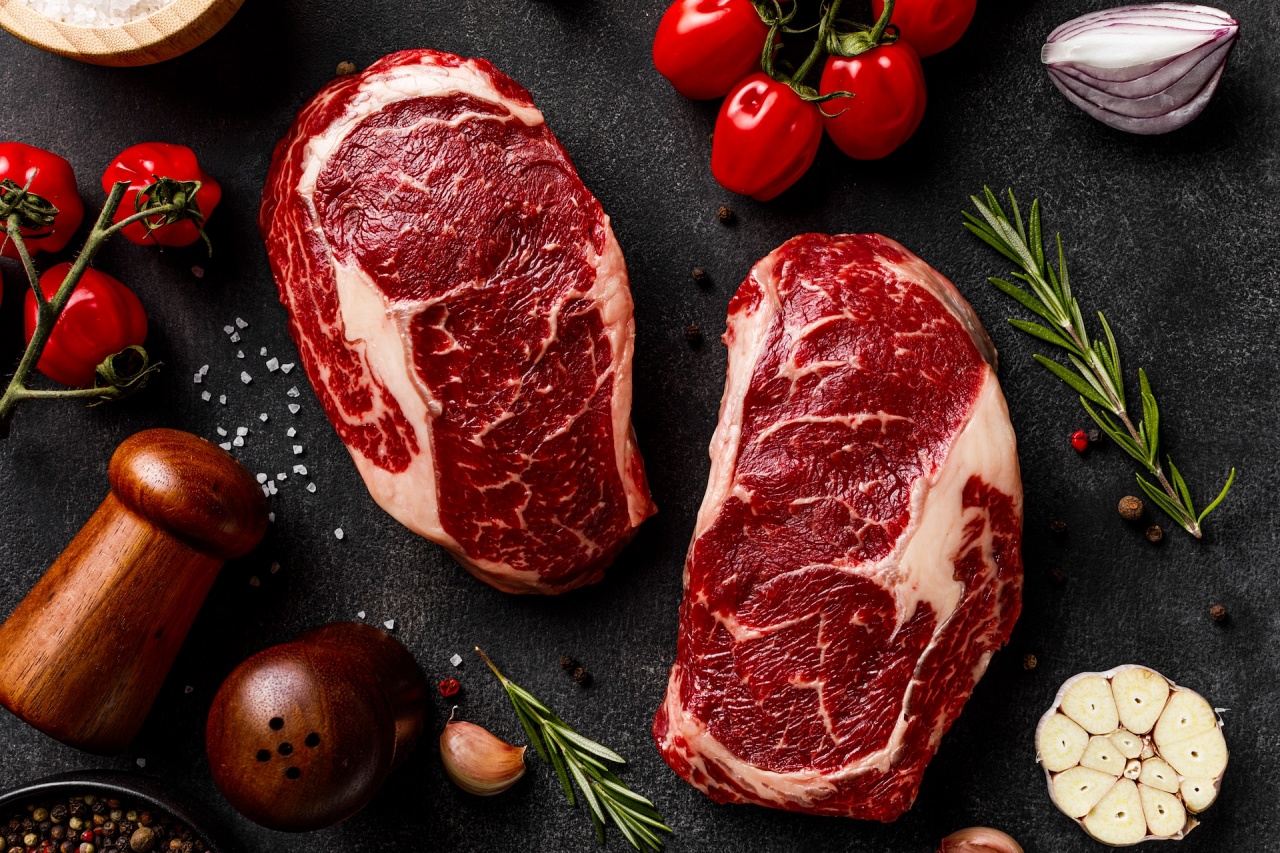
U.S. President Donald Trump has reversed course on his broad tariff strategy, announcing the removal of duties on dozens of essential food products— including beef, tomatoes, and bananas— amid rising concern among Americans about the cost of groceries. The tariff rollbacks, which took effect retroactively at midnight on Thursday, represent a significant shift for Trump, who has repeatedly denied that his sweeping import taxes were contributing to inflation.
The decision comes after Democrats secured notable wins in recent elections across Virginia, New Jersey, and New York City, where affordability and inflation were central voter issues. In a move aimed at easing consumer pressure, the Trump administration also unveiled preliminary trade agreements with Argentina, Ecuador, Guatemala, and El Salvador that would eliminate tariffs on various foods and other imports once finalized. Additional deals are expected before the end of the year.
Many of the items on Friday’s exemption list are household staples that have seen sharp year-over-year price increases. According to the latest Consumer Price Index data for September, ground beef prices rose nearly 13%, while steak prices climbed close to 17%— the highest increases in more than three years, dating back to the inflation peak during Joe Biden’s presidency. Banana prices were up roughly 7%, and tomatoes about 1%. Overall, food-at-home costs increased 2.7% in September.
Trump has defended his 10% base tariff on all imports, along with additional state-specific duties, arguing that any price hikes stem from Biden-era policies. However, economists say tariffs have played a direct role in driving grocery costs and warn that prices may continue rising next year as companies adjust to the full impact of these duties.
Democratic Representative Richard Neal criticized the administration, saying Trump is "putting out a fire that they started," and emphasized that the trade war has intensified inflation while weakening manufacturing.
This rollback signals a growing acknowledgment of consumer frustration and the economic effects of the administration’s tariff strategy, even as political tensions over inflation continue to intensify.







