


 U.S. Fast-Tracks $8.6 Billion Arms Sales to Middle East Allies Amid Rising Tensions
  Vietnam Plans AI-Driven Propaganda Push With Influencers and Podcasts
  Ghana Rejects U.S. Health Deal Over Data Sharing Concerns Amid Foreign Aid Shift
  Trump Invites Top CEOs Including Nvidia, Apple, Boeing to China Summit With Xi Jinping
  US Revises UN Resolution on Iran Strait of Hormuz Attacks Amid Russia-China Opposition
  U.S.-China Beef Trade Deal Hopes Rise Ahead of Trump-Xi Summit
  Ukraine-Russia Ceasefire Confirmed as Prisoner Swap Deal Advances
  U.S. Budget Airlines Seek $2.5 Billion Government Aid Amid Rising Jet Fuel Costs
  Brazil Pension Fund Crackdown After Banco Master Collapse Raises Investment Concerns
  White House Withdraws Trump’s National Park Service Nominee Amid Criticism
  U.S. Sanctions Former DR Congo President Joseph Kabila Over Rebel Support
  China-Made Fireworks Power U.S. Independence Day Celebrations Amid Trade Truce
  Trump Expands Cuba Sanctions Targeting Key Sectors and Foreign Entities
  Senate Stablecoin Bill Sparks Clash Between Banks and Crypto Industry
  Mexico President Claudia Sheinbaum Reconsiders Early School Closure Plan Ahead of 2026 World Cup
  China Banks Halt New Loans to Sanctioned Refineries Amid U.S.-Iran Oil Crackdown
  Pope Leo Calls for Peace as Vatican Seeks Better Ties With U.S.


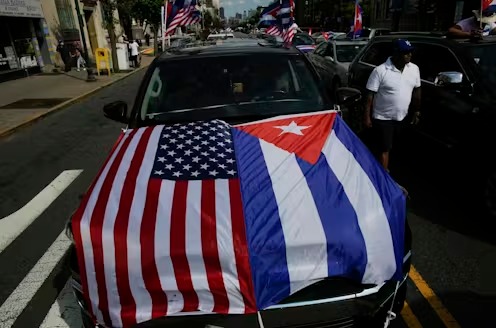
U.S. President Donald Trump signed a new memorandum on Monday reinstating strict sanctions on Cuba, reversing several policies introduced by former President Joe Biden. The directive marks a return to hard-line measures, reinforcing the U.S. embargo and tightening restrictions on travel and financial dealings with the communist-led nation.
The White House announced that the memorandum enforces the statutory ban on U.S. tourism to Cuba, allowing only limited travel for educational, humanitarian, or other approved purposes. Travelers must maintain detailed records of all related transactions for at least five years, and compliance will be monitored through audits.
Trump also renewed the ban on financial transactions with Cuban military-controlled entities, such as Grupo de Administración Empresarial S.A. (GAESA) and its affiliates. Exceptions will be made only for activities that align with U.S. policy objectives or directly benefit the Cuban people.
This policy shift follows Trump’s earlier reversal of the Biden administration’s decision to remove Cuba from the U.S. list of state sponsors of terrorism. Additionally, the new order supports continued economic pressure by opposing efforts in the United Nations to lift the U.S. embargo.
Cuban Foreign Minister Bruno Rodríguez condemned the move, calling it a “criminal act” and a violation of human rights. He argued that the sanctions represent the biggest obstacle to Cuba’s development and harm the Cuban population.
Trump’s Cuba policy aims to curb the flow of U.S. dollars to the Cuban government and military while signaling a tougher stance on communist regimes. The decision underscores his administration’s commitment to reversing what it views as concessions made under Biden and reinforcing pressure on Havana amid ongoing political tensions.
This development adds a new layer of uncertainty to U.S.-Cuba relations, with potential implications for regional diplomacy and economic engagement.







