


 S&P 500, Nasdaq Hit Record Highs as AI Stocks Rally and Strong Jobs Data Boost Confidence
  Iran Accuses U.S. of Violating Strait of Hormuz Ceasefire with Ship and Coastal Attacks
  U.S., South Korea Launch Shipbuilding Partnership Initiative
  Trump Inspects Lincoln Memorial Reflecting Pool Renovation in Washington
  OCBC Q1 Profit Rises 5% on Strong Wealth Management and Non-Interest Income
  UOB Q1 Profit Meets Expectations as Loan Growth Offsets Lower Interest Rates
  U.S. Fast-Tracks $8.6 Billion Arms Sales to Middle East Allies Amid Rising Tensions
  Japan’s Yen Intervention and BOJ Rate Hike Bets Support Currency Recovery
  Trump Invites Top CEOs Including Nvidia, Apple, Boeing to China Summit With Xi Jinping
  Asian Stocks Rally as Japan’s Nikkei Hits Record High on U.S.-Iran Peace Optimism
  Oil Prices Rebound Slightly After Sharp Drop on Iran Deal Hopes
  China Export Growth Surges in April as Global Buyers Rush to Secure Supplies
  Gold Prices Rise as Weaker Dollar and U.S.-Iran Peace Hopes Boost Demand
  Trump-Xi Beijing Summit to Focus on Trade, Taiwan, and Boeing Deal
  CoreWeave Q1 2026 Revenue Surges as AI Infrastructure Demand Grows
  European Stocks Edge Higher as Iran-U.S. Peace Talks Boost Market Sentiment
  US Reviews Mexican Consulates Amid Rising Diplomatic Tensions


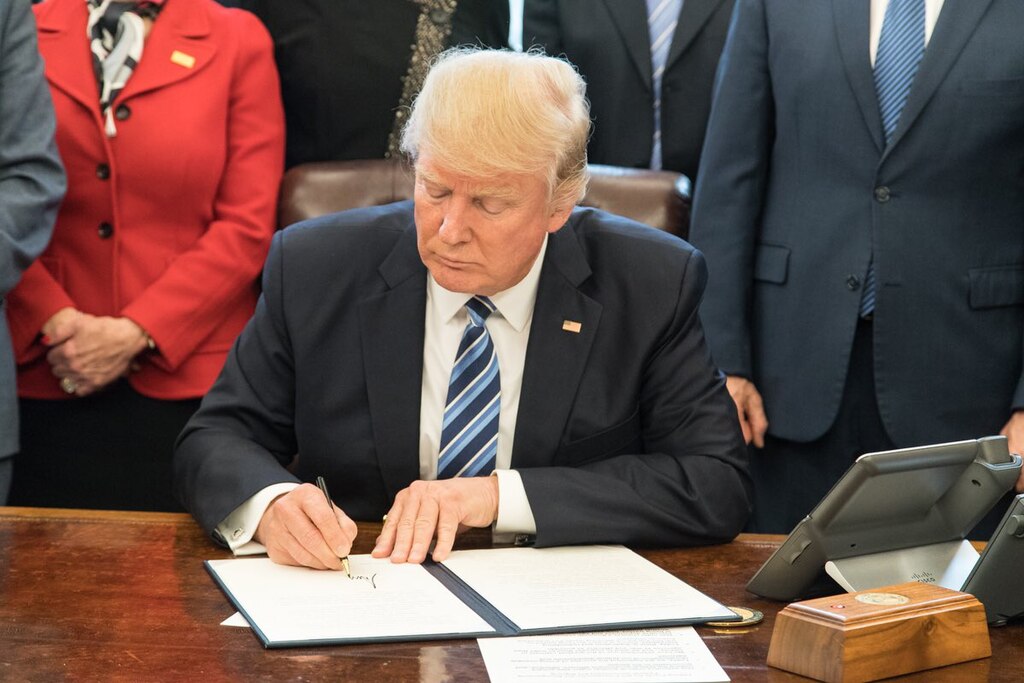
U.S. President Donald Trump has signed executive orders imposing new tariffs on imported medium- and heavy-duty trucks and parts, while expanding credits for U.S. auto and engine production. Starting November 1, a 25% tariff will apply to all imported Class 3 through Class 8 trucks, including large pickup trucks, cargo trucks, dump trucks, and tractor-trailers. Additionally, imported buses will face a 10% tariff. The move, justified on national security grounds, is designed to encourage automakers to shift production to the United States but could deliver a major economic blow to Mexico, the largest exporter of heavy-duty trucks to the U.S.
Under the new policy, automakers such as GM, Ford, Toyota, Honda, Tesla, and Stellantis will benefit from expanded production credits. Companies assembling vehicles or engines in the U.S. will receive a 3.75% credit based on the vehicle’s suggested retail price, available through 2030. The credit, initially proposed by the Commerce Department in June, now extends over five years at a consistent rate, providing significant relief from tariffs on imported auto parts and incentivizing domestic production. Republican Senator Bernie Moreno praised the move, stating it strengthens U.S. competitiveness in manufacturing.
Ford CEO Jim Farley noted that the new tariffs and credits will make U.S. production more affordable and create fairer competition with imports. However, the U.S. Chamber of Commerce criticized the decision, pointing out that the top truck import sources—Mexico, Canada, Japan, Germany, and Finland—are key U.S. allies. Despite opposition, Trump emphasized that the tariffs protect domestic manufacturers from “unfair outside competition.”
The decision follows earlier tariff hikes on steel, aluminum, and automotive components totaling $240 billion annually. GM and Ford have each projected billions in tariff-related costs this year, underscoring the industry’s ongoing challenge amid shifting trade policies.







