


 Israel’s Secret Iraq Base Allegedly Supported Iran Air Campaign, WSJ Reports
  Vietnam Plans AI-Driven Propaganda Push With Influencers and Podcasts
  Pope Leo Calls for Peace as Vatican Seeks Better Ties With U.S.
  US Revises UN Resolution on Iran Strait of Hormuz Attacks Amid Russia-China Opposition
  Israel Expands Gaza Restricted Zones, Raising Concerns for Civilians and Aid Access
  Trump-Xi Beijing Summit to Focus on Trade, Taiwan, and Boeing Deal
  Trump Reportedly Approves Plan to Remove FDA Commissioner Marty Makary Amid Growing Controversies
  Russian LNG Shadow Fleet Expands Amid Arctic LNG 2 Sanctions
  Mexico President Claudia Sheinbaum Reconsiders Early School Closure Plan Ahead of 2026 World Cup
  Australia Launches Public Hearings on Bondi Beach Shooting and Rising Antisemitism
  US Sanctions Target Iran’s Shadow Banking Network and Terror Financing
  Brazil Pension Fund Crackdown After Banco Master Collapse Raises Investment Concerns
  US Adds European Union to Section 301 Watchlist Amid Trade Concerns
  Russia Downs Over 50 Drones Near Moscow Ahead of Victory Day Ceasefire
  US to Withdraw 5,000 Troops from Germany Amid Growing Rift with European Allies
  US-Iran Ceasefire Under Pressure as Fresh Strait of Hormuz Clashes Shake Oil Markets
  Senate Stablecoin Bill Sparks Clash Between Banks and Crypto Industry


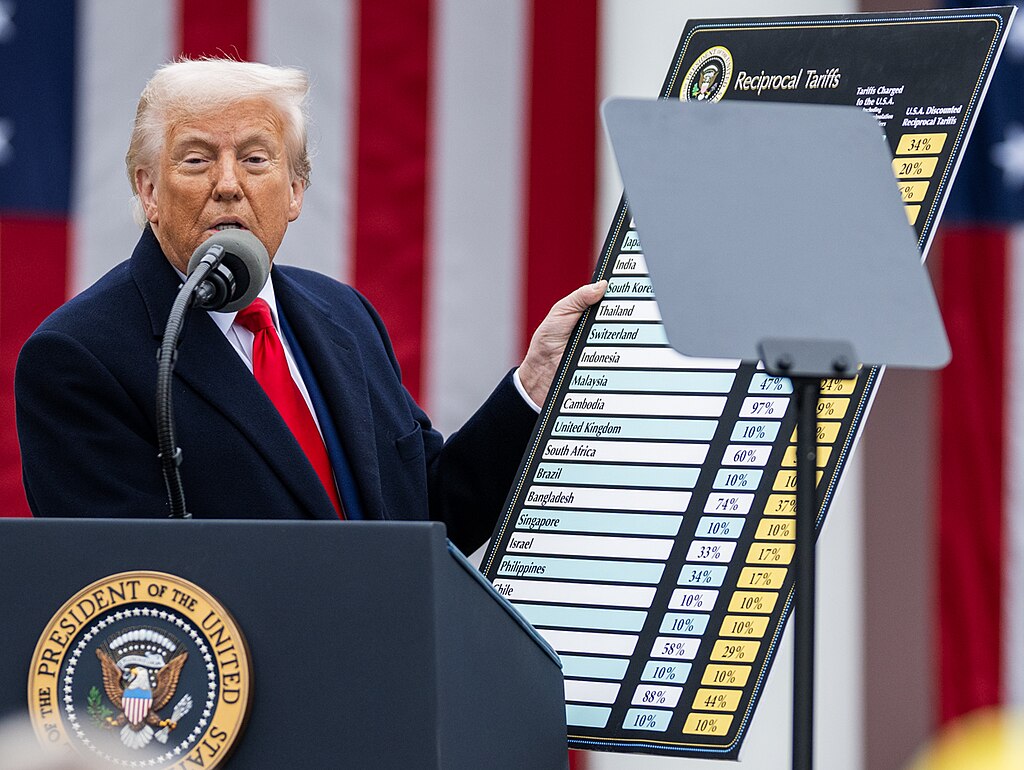
President Donald Trump announced that beginning November 1, all medium- and heavy-duty trucks imported into the United States will face a 25% tariff, marking a sharp escalation in his administration’s efforts to protect U.S. truck manufacturers from foreign competition.
Last month, Trump initially proposed new duties for heavy truck imports on October 1, citing national security concerns. He stated the measure was designed to shield domestic producers like Peterbilt and Kenworth (owned by Paccar) and Freightliner (owned by Daimler Truck) from “unfair outside competition.”
Under current trade agreements with Japan and the European Union, the U.S. applies a 15% tariff on light-duty vehicles, though it remains unclear whether this rate will extend to larger trucks. The administration has also permitted automakers to deduct U.S.-made components from tariff costs for light-duty vehicles produced in Canada and Mexico.
The new tariffs affect a wide range of vehicles, including delivery trucks, buses, tractor-trailers, and heavy-duty vocational vehicles. Industry groups, including the U.S. Chamber of Commerce, have criticized the move, noting that top import sources—Mexico, Canada, Japan, Germany, and Finland—are all U.S. allies.
Mexico, the largest exporter of medium- and heavy-duty trucks to the U.S., warned that tariffs could disrupt trade. Imports from Mexico have tripled since 2019 to about 340,000 units, with the country emphasizing that its trucks contain around 50% U.S. content.
Automakers like Stellantis, which builds Ram trucks and commercial vans in Mexico, had lobbied against the tariffs. Meanwhile, Volvo Group is investing $700 million in a new Mexican truck plant slated to open in 2026.
In 2024, the U.S. imported nearly $128 billion in heavy vehicle parts from Mexico—roughly 28% of all U.S. imports—highlighting the potential impact these tariffs could have on the North American supply chain and cross-border manufacturing.







