


 Trump Signals Possible U.S.-Iran Peace Deal as Hormuz Reopening Nears
  South Korea Ex-President Yoon Suk Yeol Sentenced to 30 Years Over Martial Law Plot
  FBI Faces Historic Security Challenge Ahead of 2026 FIFA World Cup
  France Hosts Israeli-Palestinian Peace Conference to Revive Two-State Solution
  Viktor Orban Re-Elected as Fidesz Leader After Election Defeat
  U.S.-Iran Peace Framework Nears as Strait of Hormuz Reopening Takes Center Stage
  Trump Administration Plans Deportation of Iranian Migrants to Central African Republic Under New Third-Country Deal
  South Korea Ballot Shortage Sparks Protests, Election Fraud Claims, and Calls for Rerun
  Trump Nominates Jay Clayton as DNI Amid FISA Surveillance Dispute
  Senior Haitian Security Official Kidnapped as Gang Violence Escalates in Port-au-Prince
  Trump Names James McDonald as New SDNY U.S. Attorney
  Taiwan Launches Intelligence Tip Website Targeting Chinese Informants
  US Appeals Court Keeps Trump’s 10% Global Tariff in Effect During Ongoing Legal Battle
  Carney and Macron Strengthen Canada-France Defense Ties Amid US Trade Uncertainty
  Trump Says U.S.-Iran Deal Could Be Signed Sunday as Tehran Signals More Talks Needed
  US Plans NATO Force Reduction in Europe Amid Defense Burden Dispute
  IMF Advances Ukraine Loan Program, Clears $690M Disbursement


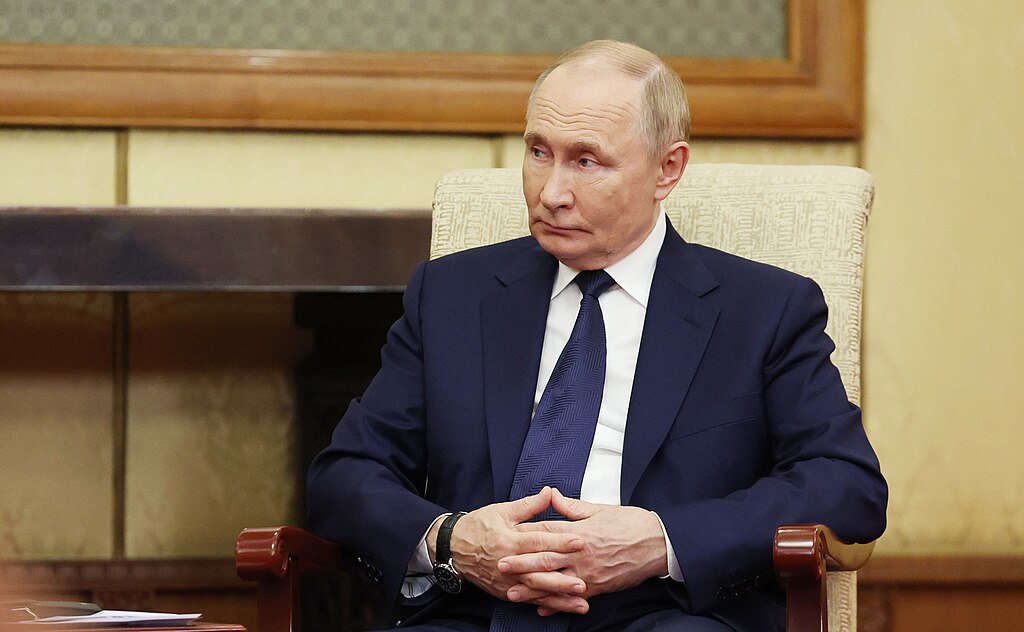
U.S. President Donald Trump has publicly questioned Russia’s claims that Ukraine attempted to strike a residence belonging to Russian President Vladimir Putin, adding a new dimension to the ongoing information war surrounding the Ukraine conflict. Speaking to reporters aboard Air Force One on Sunday while traveling back to Washington, D.C., from Florida, Trump said he did not believe the alleged strike occurred in the way Moscow described.
“I don’t believe that strike happened,” Trump stated, according to Reuters. He acknowledged that “something happened fairly nearby,” but emphasized that it had “nothing to do with this,” casting doubt on Russia’s narrative of a direct attack on Putin’s residence.
The comments came shortly after Moscow accused Kyiv of attempting to strike a residence used by Putin in Russia’s northern Novgorod region using 91 long-range attack drones. Russian officials characterized the alleged incident as a serious escalation and warned it could affect Moscow’s position in ongoing negotiations with the United States aimed at ending the war in Ukraine. The Kremlin said it would review its negotiating stance in light of what it described as an attempted attack on the Russian president’s property.
Ukraine has firmly denied the accusations, while Western governments and independent analysts have also questioned Russia’s version of events. Kyiv has repeatedly stated that Russia frequently uses unverified claims and dramatic allegations to justify military actions or influence diplomatic talks. Western countries have echoed these concerns, urging caution until credible evidence is presented.
Trump’s skepticism adds weight to the doubts already raised by Ukraine and its allies, especially given the lack of independently verified proof supporting Moscow’s claims. His remarks highlight the deep mistrust surrounding information coming from all sides of the conflict and underscore how alleged incidents can quickly become tools in geopolitical messaging.
As the Ukraine war continues and diplomatic efforts remain fragile, disputed claims like this one demonstrate how narratives can shape negotiations, international opinion, and military strategy. With tensions still high, the alleged drone strike and Trump’s dismissal of it are likely to remain part of the broader debate over credibility, escalation, and the future of peace talks between Russia, Ukraine, and the United States.







