


 UN Experts Condemn Trump’s Cuba Fuel Blockade Amid Deepening Energy Crisis
  US Revises UN Resolution on Iran Strait of Hormuz Attacks Amid Russia-China Opposition
  White House Withdraws Trump’s National Park Service Nominee Amid Criticism
  Australia Launches Public Hearings on Bondi Beach Shooting and Rising Antisemitism
  Trump Expands Cuba Sanctions Targeting Key Sectors and Foreign Entities
  Australia Targets Meta, Google, and TikTok With New News Payment Tax Proposal
  US Adds European Union to Section 301 Watchlist Amid Trade Concerns
  Brazil Pension Fund Crackdown After Banco Master Collapse Raises Investment Concerns
  Senate Stablecoin Bill Sparks Clash Between Banks and Crypto Industry
  Dominican Republic Halts GoldQuest Mining Project Amid Environmental Protests
  US-Iran Ceasefire Under Pressure as Fresh Strait of Hormuz Clashes Shake Oil Markets
  U.S. Budget Airlines Seek $2.5 Billion Government Aid Amid Rising Jet Fuel Costs
  Pope Leo Calls for Peace as Vatican Seeks Better Ties With U.S.
  U.S. Fast-Tracks $8.6 Billion Arms Sales to Middle East Allies Amid Rising Tensions
  Vietnam Plans AI-Driven Propaganda Push With Influencers and Podcasts
  China Banks Halt New Loans to Sanctioned Refineries Amid U.S.-Iran Oil Crackdown
  Mexico President Claudia Sheinbaum Reconsiders Early School Closure Plan Ahead of 2026 World Cup


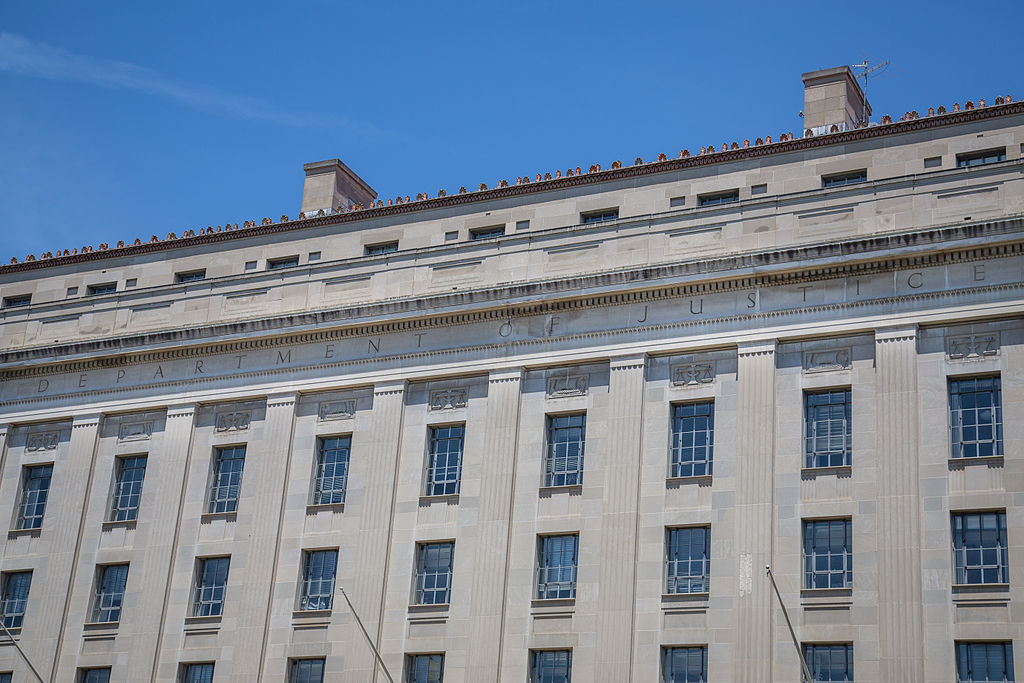
The U.S. Department of Justice is disbanding its National Cryptocurrency Enforcement Team (NCET) and narrowing its focus on crypto-related investigations. In a memo obtained by Reuters, Deputy Attorney General Todd Blanche—recently appointed under President Donald Trump—outlined a major shift in the DOJ’s digital asset policy. The Biden-era unit, launched in 2022 to combat crypto fraud and illicit finance, had previously investigated major players like Binance and its founder Changpeng Zhao.
Blanche criticized the Biden administration’s “reckless strategy of regulation by prosecution” and cited a Trump executive order as the foundation for the new approach. This order supports open access to blockchain networks without government persecution. Going forward, DOJ will prioritize cases involving crypto-linked crimes like terrorism, drug trafficking, human trafficking, hacking, and organized crime. Any ongoing investigations not aligned with these priorities will be closed.
The memo also states that crypto exchanges, wallets, and mixers will no longer be prosecuted for actions taken by users or for unintentional regulatory violations. Regulatory charges under banking, securities, or commodities laws will only proceed if there’s clear evidence of willful misconduct.
This marks a broader shift in U.S. crypto policy under Trump, who has promised to make the U.S. the “crypto capital of the planet.” The SEC has also pulled back from several enforcement actions, and banking regulators have softened restrictions.
Trump’s own ties to crypto are deepening. He and his family have financial interests in World Liberty Financial, a crypto project from which they earn a share of token revenues. Trump also launched his own tokens, $TRUMP and $MELANIA, described as expressions of support rather than investments.
This policy reversal signals a more crypto-friendly regulatory landscape under the Trump administration.







