


 JD Vance Set to Visit Hungary in Show of Support for Viktor Orban Before Crucial Election
  Israel Doubles Troops at Lebanon Border, Searches Evacuated Villages
  S&P 500 Rebounds After Netanyahu's Statements on Iran's Military Setbacks
  Japan's Parliament Backs Dovish BOJ Board Members, Raising Questions on Rate Hike Path
  Japan's Military Options in the Strait of Hormuz: What Tokyo Can and Cannot Do
  Ukraine-Russia Peace Talks Resume After Brief Pause Linked to Iran Conflict
  Europe Stands Firm Against U.S.-Led Iran War Despite Transatlantic Pressure
  Trump Warns Israel as U.S.-Israeli War on Iran Triggers Global Energy Crisis
  Costa Rica Cuts Diplomatic Ties with Cuba Amid Growing U.S. Pressure
  Venezuela Appoints New Defense Minister as Rodriguez Reshapes Military Leadership
  Israel Defies Trump's Warning, Launches New Strikes on Iran Amid Growing Global Energy Crisis
  Kataib Hezbollah Announces Conditional 5-Day Suspension of U.S. Embassy Attacks
  DOJ Backs Jeanine Pirro-Led Investigation Into Federal Reserve Chair Jerome Powell
  Iran-Israel War Escalates: Energy Infrastructure Attacks Shake Global Oil Markets
  Trump Eyes Troop Deployment to Middle East Amid Escalating Iran Conflict
  Russia Calls for Ceasefire in Gulf Conflict, Offers Diplomatic Mediation
  Russian Drone Strikes Hit Odesa Apartments and Lviv Security HQ


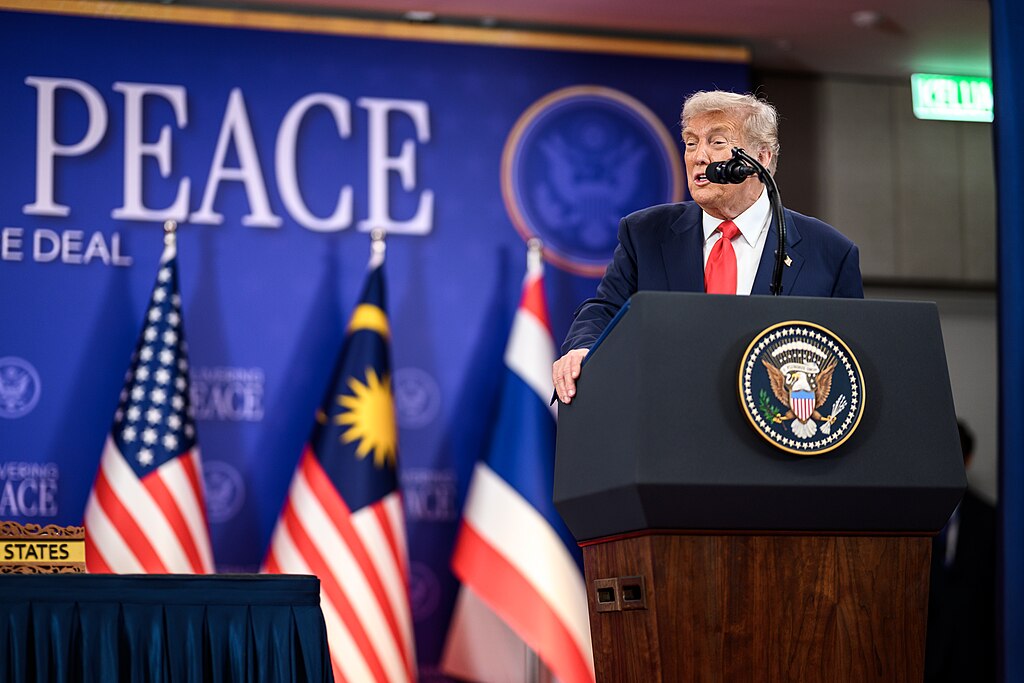
During a high-profile Oval Office meeting between U.S. President Donald Trump and Japanese Prime Minister Sanae Takaichi, Trump made a striking and controversial remark that quickly captured global attention. When pressed by a reporter about why he had not informed allies ahead of U.S. military strikes on Iran, Trump drew an unexpected comparison to Japan's 1941 surprise attack on Pearl Harbor.
"We wanted surprise. Who knows better about surprise than Japan? Why didn't you tell me about Pearl Harbor?" Trump said, directing his comments toward Takaichi seated beside him. He added, "You believe in surprise, I think much more so than us." The remark visibly caught the Japanese Prime Minister off guard, as witnesses noted her eyes widened and she shifted uncomfortably in her chair.
The reference to Pearl Harbor — one of the most devastating surprise military attacks in American history — carries enormous historical and emotional weight. On December 7, 1941, Japanese forces launched a surprise assault on the U.S. naval base in Hawaii, killing 2,390 Americans and propelling the United States into World War II. President Franklin D. Roosevelt famously labeled it "a date which will live in infamy." The war ultimately ended in August 1945 following the U.S. atomic bombings of Hiroshima and Nagasaki, which resulted in the deaths of hundreds of thousands of Japanese civilians.
Trump's comments have since sparked widespread debate among political analysts, historians, and diplomatic observers, raising questions about the impact of such remarks on U.S.-Japan relations — a critical alliance in the Indo-Pacific region. Critics argue that casually invoking Pearl Harbor in a diplomatic setting risks trivializing a painful chapter in history for both nations.
The exchange underscores the tension between military strategy, diplomatic transparency, and historical sensitivity at the highest levels of global leadership.













