


 Taiwan Confident U.S. Arms Sale Review Remains on Track Despite Trump's China Trip Delay
  JD Vance Backs Trump's Iran War Strategy Despite Known Anti-War Stance
  Iran Defiant as Israel-U.S. War Enters Dangerous New Phase
  Pakistan Air Strike Kills 400 at Kabul Drug Rehabilitation Hospital, Taliban Says
  Israel Doubles Troops at Lebanon Border, Searches Evacuated Villages
  Dan Caldwell Joins ODNI After Pentagon Leak Investigation Clearance
  DOJ Antitrust Chief Rejects Political Fast-Track for Paramount-Skydance Deal
  Europe Stands Firm Against U.S.-Led Iran War Despite Transatlantic Pressure
  Kataib Hezbollah Announces Conditional 5-Day Suspension of U.S. Embassy Attacks
  Trump Signals Imminent U.S.-Cuba Talks as Rubio Leads Diplomatic Outreach
  Iran Loses Key Power Broker: Ali Larijani Killed in U.S.-Israeli Strike
  Venezuela Appoints New Defense Minister as Rodriguez Reshapes Military Leadership
  Cuba Reacts to Trump's Conflicting Statements Amid Rising U.S.-Cuba Tensions
  Japan's Military Options in the Strait of Hormuz: What Tokyo Can and Cannot Do
  Iran-Israel War Escalates: Cluster Missiles, Nuclear Fears, and Strait of Hormuz Crisis
  Trump Was Warned Iran Could Retaliate Against Gulf Allies Before U.S.-Israeli Strikes


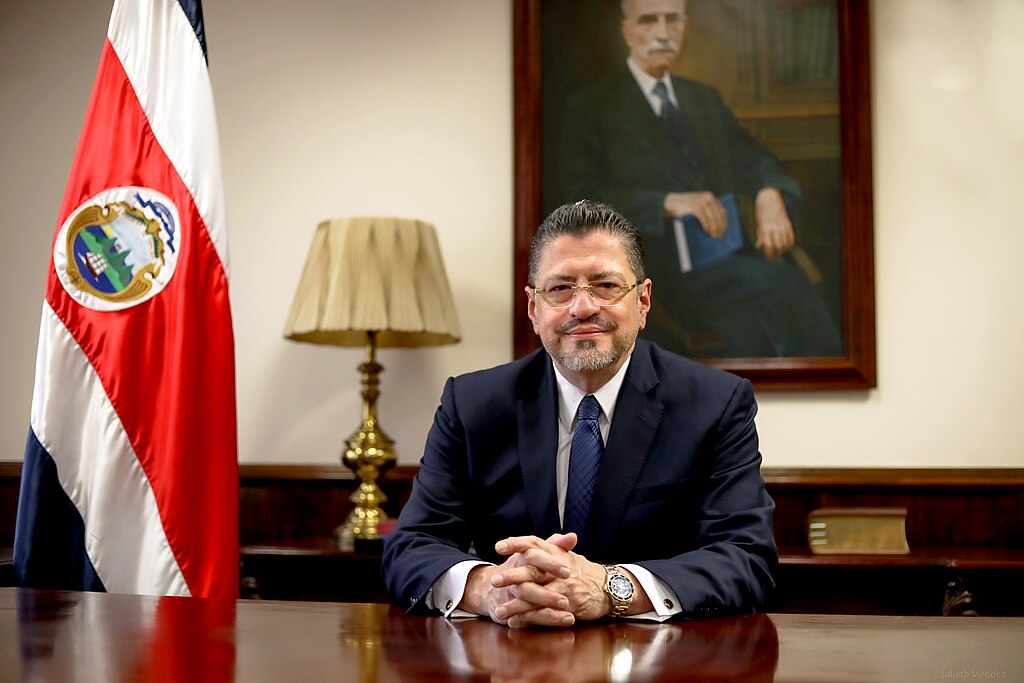
Costa Rican President Rodrigo Chaves made a bold geopolitical statement on Wednesday, announcing that his country no longer recognizes the legitimacy of Cuba's communist government and is shutting down the Cuban embassy in San José. The decision, delivered at an event attended by the U.S. ambassador, cited the ongoing repression and poor living conditions suffered by the Cuban people.
"Costa Rica does not recognize the legitimacy of Cuba's Communist regime, given the mistreatment, repression, and undignified conditions endured by the inhabitants of that beautiful island," Chaves declared, adding that the region must rid itself of communist influence. Despite the embassy closure, Cuba will still be permitted to operate consular services in the country, according to Foreign Minister Arnoldo Andre.
Cuba's foreign ministry pushed back sharply, accusing Costa Rica of blindly following Washington's lead in its campaign to isolate the island nation. Cuban officials stated they were notified on Tuesday that diplomatic staff must withdraw by April 1, with no formal explanation given by San José.
The move comes amid heightened tensions, with U.S. President Donald Trump recently making provocative remarks about potentially "taking Cuba in some form." An ongoing U.S. oil blockade has worsened an already severe energy crisis on the island, causing widespread blackouts affecting homes, hospitals, and businesses across the country.
Costa Rica is not alone in this diplomatic shift. Ecuador recently expelled Cuba's ambassador and his staff, declaring them persona non grata. Both nations attended Trump's anti-crime summit in Florida, dubbed "Shield of the Americas," alongside several other right-leaning Latin American leaders.
Cuba continues to attribute its deepening economic crisis to the long-standing U.S. embargo, while a shrinking number of countries now host its overseas medical missions following U.S. pressure and threatened sanctions on participating governments.













