


 U.S. Maintains Taiwan Arms Shipments Despite Ongoing Iran Air Campaign
  Russia Captures Two More Ukrainian Villages Amid Ongoing Frontline Clashes
  Trump Eyes Troop Deployment to Middle East Amid Escalating Iran Conflict
  U.S. Presses South Korea on Strait of Hormuz Naval Support Amid Rising Energy Tensions
  Trump Administration Pressures Allies to Designate IRGC and Hezbollah as Terror Groups
  JD Vance Backs Trump's Iran War Strategy Despite Known Anti-War Stance
  Israel Doubles Troops at Lebanon Border, Searches Evacuated Villages
  Iran-Israel War Escalates: Cluster Missiles, Nuclear Fears, and Strait of Hormuz Crisis
  Iran Defiant as Israel-U.S. War Enters Dangerous New Phase
  DOJ Antitrust Chief Rejects Political Fast-Track for Paramount-Skydance Deal
  Iran-Israel War Escalates: Energy Infrastructure Attacks Shake Global Oil Markets
  Taiwan Confident U.S. Arms Sale Review Remains on Track Despite Trump's China Trip Delay
  Japan's Military Options in the Strait of Hormuz: What Tokyo Can and Cannot Do
  Kataib Hezbollah Announces Conditional 5-Day Suspension of U.S. Embassy Attacks
  Iran Denies Active Diplomacy With U.S. Amid Ongoing War
  Venezuela Appoints New Defense Minister as Rodriguez Reshapes Military Leadership
  Russian Drone Strikes Hit Odesa Apartments and Lviv Security HQ


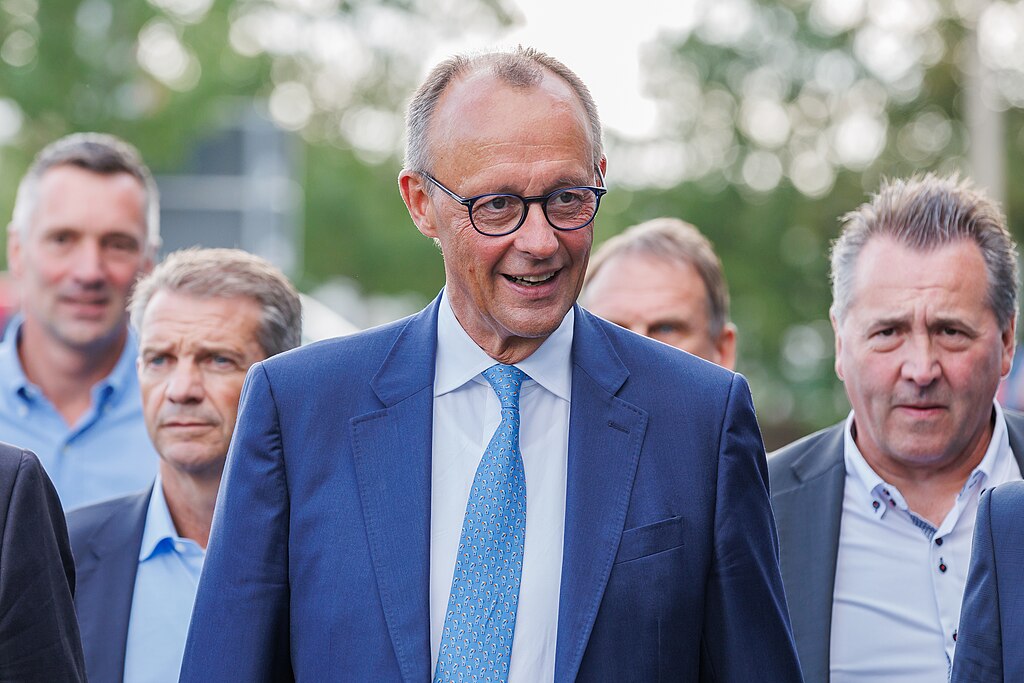
European leaders are openly distancing themselves from the U.S.-Israeli military campaign against Iran, marking one of the most significant breaks in transatlantic relations in recent memory. Despite pressure from President Donald Trump, key allies including Germany, France, the UK, and Spain have refused to participate in military operations or join efforts to secure the Strait of Hormuz by force.
German Chancellor Friedrich Merz, known for his pro-American stance, delivered unusually candid remarks to lawmakers, stating that Europe was never consulted about the military campaign and sees no clear strategy behind it. His defence minister echoed this sentiment bluntly, saying the conflict is simply not Europe's to fight. French President Emmanuel Macron aligned closely with this position, distancing Paris from any direct involvement in the ongoing hostilities.
The Strait of Hormuz, through which roughly a fifth of the world's oil supply passes, sits at the centre of the crisis. While Trump urged allies to help reopen it by military means, European nations are instead pursuing diplomatic and coalition-based alternatives. France is reportedly building a multinational escort framework — one that deliberately excludes the United States — involving European, Asian, and Gulf Arab partners.
Public sentiment across Europe heavily favours non-intervention. Polls show 68% of Spaniards, 58% of Germans, and nearly half of Britons oppose the war. Political leaders, even those traditionally critical of their governments, have rallied around the stance of non-participation.
Underlying these tensions are deeper concerns: Europe fears being sidelined on Ukraine, pressured into unfavourable trade terms, and drawn into a conflict with no defined endgame. EU foreign policy chief Kaja Kallas captured the broader European mood, saying the bloc has learned to stay composed in the face of unpredictability and remain focused on its own strategic interests.













