


 Trump's Overhaul of American History: Museums, Monuments, and Cultural Institutions
  Taiwan Arms Deal on Track Despite U.S.-China Summit Uncertainty
  Iran-U.S. Negotiations: Tehran Reviews American Peace Proposal Amid Ongoing Gulf Conflict
  Iran-Israel Missile Strikes Continue Amid Mixed Signals on U.S.-Iran Diplomacy
  US Accelerates Taiwan Arms Deliveries Amid Rising China Threat
  Trump Votes by Mail Despite Calling It "Cheating" as Democrat Wins Mar-a-Lago District
  UK Consumer Confidence Weakens Amid Middle East Conflict and Rising Living Costs
  Oil Prices Rebound as Iran Denies U.S. Talks, Middle East Tensions Persist
  Bank of Japan Officials Signal Continued Interest Rate Hikes Amid Inflation Concerns
  Federal Reserve Balance Sheet Reduction: Brookings Research Outlines Possible Path Forward
  Asian Markets Rally as Oil Prices Tumble and Middle East Peace Hopes Emerge
  Jay Bhattacharya to Continue Leading CDC as White House Searches for Permanent Director
  Suspicious Oil Market Trades Precede Trump's Iran Peace Post by 15 Minutes
  Trump to Visit China in May for High-Stakes Xi Summit Amid Iran War
  Trump Seeks Quick End to U.S.-Iran Conflict Amid Ongoing Middle East Tensions
  Gold Prices Climb as Middle East Ceasefire Talks Stir Market Optimism


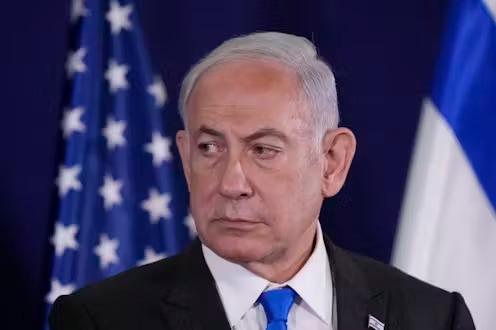
U.S. stock markets showed resilience Thursday as the S&P 500 recovered from a 1% intraday decline to trade nearly flat, driven by remarks from Israeli Prime Minister Benjamin Netanyahu claiming significant damage to Iran's military infrastructure. Crude oil prices also dropped in response to the developments.
Speaking at a news conference, Netanyahu declared that 20 days of coordinated U.S.-Israeli airstrikes had severely degraded Iran's ability to enrich uranium and produce ballistic missiles. "We are winning, and Iran is being decimated," he stated, adding that Iran's missile and drone stockpiles are being systematically dismantled. He noted the strikes are focused on facilities linked to missile production and nuclear weapon components, though he stopped short of providing independent verification for his claims.
The ongoing conflict traces back to February 28, when the United States and Israel launched a joint aerial campaign against Iran following the breakdown of diplomatic negotiations over Tehran's nuclear ambitions. In retaliation, Iran has launched missile strikes against Israel and neighboring Gulf nations and has moved to restrict tanker movement through the strategically vital Strait of Hormuz, raising concerns about global oil supply chains.
Netanyahu left open the possibility of internal political upheaval in Iran, suggesting the decision rests with the Iranian people. He also confirmed that ground operations may eventually complement the air campaign, without elaborating on timelines or scope. Pushing back against criticism of U.S. involvement, he questioned whether anyone genuinely believes someone could direct President Trump's decisions.
Financial markets responded cautiously but positively to the news. Investors interpreted Netanyahu's comments as a potential signal of progress toward conflict resolution, easing fears of prolonged regional instability. Oil markets retreated as supply disruption risks appeared to lessen, reflecting broader market sensitivity to Middle East geopolitical developments and their ripple effects on global energy prices.













