


 Maria Corina Machado Vows Return to Venezuela After Earthquakes Despite Obstacles
  China Expands Export Controls, Adds 20 Japanese Companies to Restricted List
  Australia, Vanuatu Sign Security Pact Amid Pacific Influence Competition
  Trump Suspends Some Morocco Fertilizer Tariffs to Ease U.S. Supply Shortage
  Serbia President Aleksandar Vucic to Resign, Calls Early Elections After Months of Protests
  Trump Questions Housing Bill as He Prioritizes SAVE America Act
  Trump Announces September Overhaul of Washington’s East Potomac Golf Links
  Sheinbaum Says No One Is Above the Law After Abuse Video of Ex-Pemex Chief Emerges
  Trump Signs Memorandum Backing Americans’ Right to Repair Their Own Vehicles
  Despite its best efforts, Iran won’t be able to toll the Strait of Hormuz. Here’s why
  Taiwan Coast Guard Officer Finds Strength in Faith as China Increases Pressure in Taiwan Strait
  US Strikes Iran Again After Strait of Hormuz Tanker Attack Escalates Ceasefire Tensions
  Trump Urges Gasoline Retailers to Cut Prices to $2.50 Per Gallon, Warns of Legal Action
  Andy Burnham Sets Out Vision to Decentralize Britain as Labour Leadership Race Begins
  US, Iran Agree to Halt Attacks Ahead of Doha Talks on Strait of Hormuz
  Trump Threatens 100% Tariffs on Countries Imposing Digital Services Taxes on U.S. Tech Firms
  Israeli Airstrike Kills Three in Central Gaza Despite Ceasefire


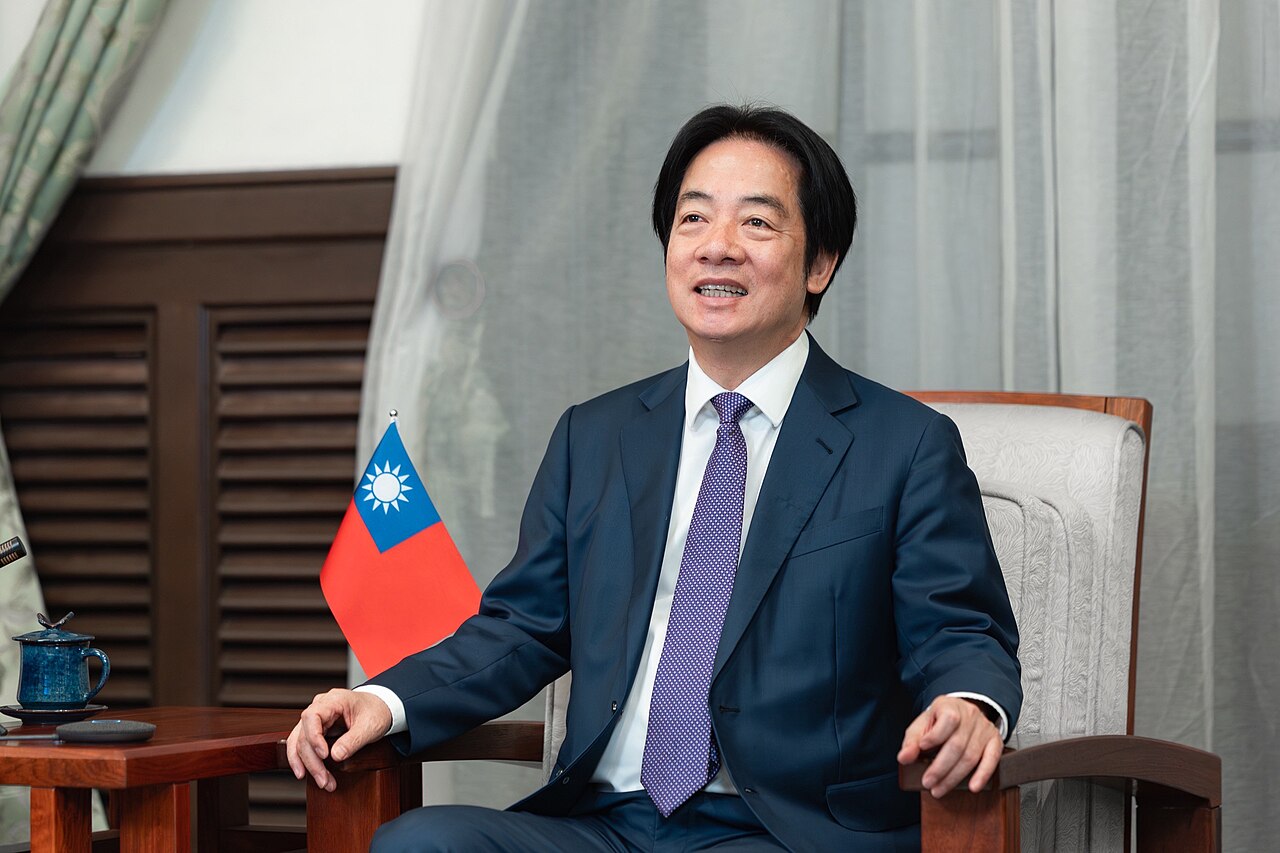
U.S. President Donald Trump has repeatedly suggested he may soon speak with Taiwanese President Lai Ching-te, but sources familiar with the matter say no concrete plans for a call currently exist. A direct conversation between the leaders would be historically significant, as U.S. and Taiwan presidents have not officially spoken since Washington shifted diplomatic recognition from Taipei to Beijing in 1979.
The possibility of a Trump-Lai call has raised concerns in both Washington and Taipei, especially given growing tensions between the United States and China over Taiwan. According to insiders, officials from both sides have discussed the idea in recent days, but preparations for an official conversation have not moved forward.
China has strongly opposed any high-level communication between the U.S. and Taiwan, warning that such contact could seriously damage China-U.S. relations. Beijing considers Taiwan part of its territory and has consistently criticized U.S. arms sales and diplomatic engagement with the island. Chinese officials reportedly delivered private warnings to Washington after Trump’s remarks, cautioning that a direct call with Lai could reverse recent diplomatic progress made during Chinese President Xi Jinping’s recent state visit.
Trump first mentioned the possibility of speaking with Lai while discussing a potential $14 billion weapons package for Taiwan. He later repeated the statement, saying he would “speak to everybody” regarding what he called the “Taiwan problem.” Despite Trump’s comments, U.S. officials have privately reassured Taiwan that Washington’s overall Taiwan policy remains unchanged.
Meanwhile, Taiwan President Lai stated he would use any opportunity to speak with Trump to emphasize that China is threatening regional peace and that no country has the right to annex Taiwan. The situation has become even more sensitive after China reportedly deployed more than 100 naval and coast guard vessels across East Asia, a move Taiwanese officials described as a warning signal aimed at both Taiwan and the United States.
Taiwan remains strategically important to the global economy because of its dominance in advanced semiconductor manufacturing, making the island a major focus in U.S.-China geopolitical relations throughout 2026.







