


 Russia Downs Over 50 Drones Near Moscow Ahead of Victory Day Ceasefire
  Judge Delays SEC Settlement With Elon Musk Over Twitter Stock Disclosure Case
  Trump Announces Russia-Ukraine Ceasefire for May 9-11 Amid Ongoing Peace Talks
  Australia Launches Public Hearings on Bondi Beach Shooting and Rising Antisemitism
  Senate Stablecoin Bill Sparks Clash Between Banks and Crypto Industry
  Medicare to Cover GLP-1 Weight-Loss and Diabetes Drugs Starting July 1
  U.S., South Korea Launch Shipbuilding Partnership Initiative
  Trump Administration Dismisses Entire National Science Board, Raising Concerns Over Scientific Independence
  Panama Defends Port Takeover Amid U.S.-China Tensions and Canal Dispute
  US to Withdraw 5,000 Troops from Germany Amid Growing Rift with European Allies
  Rubio Presses Italy Over Iran Support as Tensions Test U.S.-Italy Alliance
  UN Experts Condemn Trump’s Cuba Fuel Blockade Amid Deepening Energy Crisis
  China Banks Halt New Loans to Sanctioned Refineries Amid U.S.-Iran Oil Crackdown
  Trump-Xi Beijing Summit to Focus on Trade, Taiwan, and Boeing Deal
  China-Made Fireworks Power U.S. Independence Day Celebrations Amid Trade Truce
  US Revises UN Resolution on Iran Strait of Hormuz Attacks Amid Russia-China Opposition


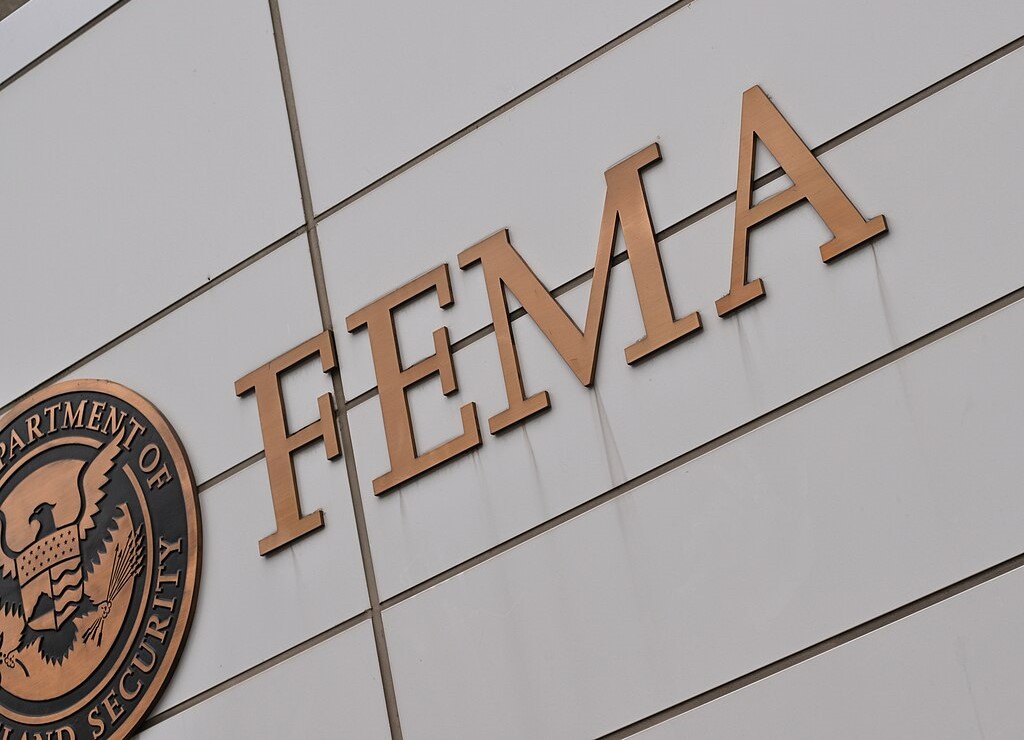
U.S. President Donald Trump has approved an emergency declaration for Washington, D.C., following a massive sewage spill into the Potomac River, triggering a coordinated federal response led by the Federal Emergency Management Agency (FEMA). The decision authorizes FEMA to support disaster relief operations aimed at protecting public health, safeguarding property, and assisting local authorities as they manage the environmental crisis.
The emergency declaration comes after a rupture in a major sewer pipeline released hundreds of millions of gallons of untreated wastewater into the Potomac River. The incident prompted immediate local emergency declarations and urgent requests for federal assistance. Officials have warned residents about elevated bacteria levels and significant environmental risks, advising the public to avoid contact with river water until further notice.
Under federal disaster law, FEMA is now authorized to coordinate emergency protective measures and provide logistical and operational support to the District of Columbia. While the declaration does not automatically provide direct financial assistance to individuals, it enables federal agencies to supplement local and regional response efforts. Crews are currently working to contain the sewage spill, assess environmental damage, and repair the damaged infrastructure.
Washington Mayor Muriel Bowser formally requested federal resources, citing the scale of the wastewater discharge and the potential long-term public health impact. The incident has intensified concerns over aging water infrastructure in the nation’s capital and sparked debate between federal and local officials regarding accountability and crisis management.
Environmental experts warn that large-scale sewage spills can have lasting ecological consequences, affecting water quality, aquatic life, and surrounding communities. As cleanup efforts continue, authorities are closely monitoring bacteria levels in the Potomac River to ensure public safety.
The FEMA emergency declaration marks a significant step in addressing the sewage spill crisis, reinforcing federal coordination as Washington, D.C., works to mitigate environmental damage and restore safe conditions.







