


 Mexico President Claudia Sheinbaum Reconsiders Early School Closure Plan Ahead of 2026 World Cup
  FEMA Reinstates Employees After Dissent Letter, Signaling Shift in Workforce Stability
  Trump Signals Possible U.S.-Iran Peace Deal as Markets Rally on Hopes of War Ending
  US Reviews Mexican Consulates Amid Rising Diplomatic Tensions
  Iran-U.S. Peace Deal Near as Oil Prices Fall and Nuclear Disputes Persist
  European Stocks Edge Higher as Iran-U.S. Peace Talks Boost Market Sentiment
  US Adds European Union to Section 301 Watchlist Amid Trade Concerns
  Japan Tech Stocks Surge as AI Optimism Lifts SoftBank, Chipmakers
  White House Withdraws Trump’s National Park Service Nominee Amid Criticism
  Trump Reportedly Approves Plan to Remove FDA Commissioner Marty Makary Amid Growing Controversies
  China EV Truck Boom Accelerates as Iran War Drives Diesel Prices Higher
  US Launches Retaliatory Strikes on Iran Amid Rising Strait of Hormuz Tensions
  Japan’s Yen Intervention and BOJ Rate Hike Bets Support Currency Recovery
  Israel Expands Gaza Restricted Zones, Raising Concerns for Civilians and Aid Access
  Trump Administration Releases New UFO Files and Apollo Mission Records
  Asian Currencies Slip as US Dollar Gains on Rising Iran Tensions and Awaited Jobs Data


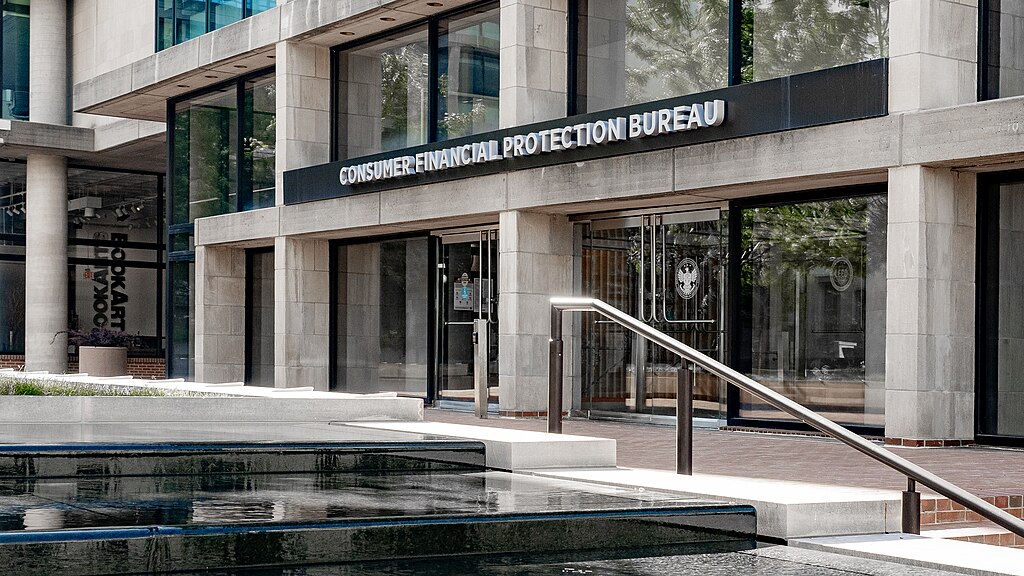
The Trump administration has significantly weakened the U.S. Consumer Financial Protection Bureau (CFPB), leaving consumers vulnerable to unfair financial practices. Acting chief Russell Vought halted the agency’s operations, effectively removing oversight on financial institutions.
Created in response to the 2008 financial crisis, the CFPB has played a critical role in enforcing consumer protection laws, regulating credit cards, mortgages, and bank accounts. Experts warn that gutting the agency will limit recourse for consumers facing predatory practices. Aaron Klein of the Brookings Institution likened the move to putting the financial sector’s watchdogs on an indefinite break.
The White House dismissed the agency as a “woke, weaponized bureaucracy” and pledged to rein it in. Critics argue that this move leaves major financial institutions unchecked, potentially increasing risks for consumers. The CFPB has enforced laws preventing predatory lending, discrimination, and excessive fees while also regulating payday loans and credit reporting practices.
Eliminating the agency’s enforcement capacity halts protections, particularly for low-income borrowers who rely on safeguards against exploitative financial products. Experts warn of a “chain effect,” where vulnerable consumers with limited safety nets may face greater financial strain.
Previously, states coordinated enforcement with the CFPB, but with federal oversight weakened, consumer protection now varies state by state, creating regulatory inconsistencies. While banks and credit unions remain regulated, many fintech firms and mortgage lenders lack oversight beyond the CFPB.
Legal experts predict the shift could foster unethical competition, where businesses willing to exploit regulatory gaps gain an advantage over responsible firms. This uncertainty may negatively impact both consumers and businesses accustomed to a stable regulatory environment.
With the CFPB effectively sidelined, consumer protections are at risk, raising concerns about fairness and accountability in the financial sector.







