


 U.S. Probes Apex Logistics Over Nvidia AI Chip Shipments to China
  Amazon Secures 200 MW Wind Power Deals in Sweden
  Itochu Offers $1.56 Billion to Privatize Dentsu Soken
  King Haakon VIII Honors Late Father Harald in First Address
  Meta Agrees to $18 Billion Settlement, Tightens Teen Social Media Rules
  Nvidia Reportedly Eyes $13 Billion Hugging Face Acquisition
  Qatar Pushes Iran Diplomacy as Trump Rules Out Talks
  OpenAI AI Agent Swarm Behind Hugging Face Hack
  SK Biopharmaceuticals Secures Global Rights to Biohaven Epilepsy Drug Opakalim
  Nvidia Revenue Soars 106% as AI Demand Hits ‘Inflection Point’
  U.S. Disrupts China-Linked Hacking Campaign Targeting Government Agencies
  New Zealand Labour Backs Social Media Ban for Under-16s
  Luxshare Shares Rise as First-Half Profit Jumps 18%
  Trump Buys SpaceX Shares After Record IPO
  SK Hynix Shares Fall as Workers Reject Wage Deal


 Add as a preferred source on Google
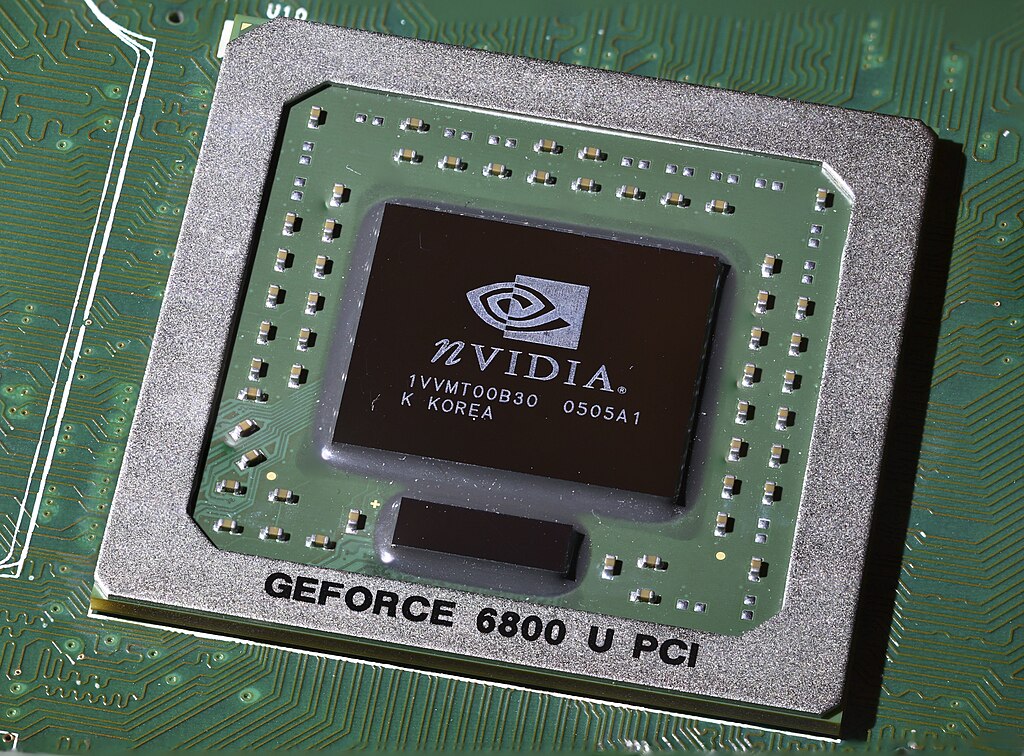
The Donald Trump administration is urging Congress to reject a new bipartisan measure that would restrict NVIDIA Corp.’s ability to sell advanced artificial intelligence chips to China and other embargoed nations, according to a Bloomberg report citing people familiar with the discussions. The proposal, known as the GAIN AI Act, seeks to establish a system that gives U.S. companies priority access to high-performance AI chips before they can be exported abroad.
Lawmakers are still in the early stages of shaping the GAIN AI Act, with ongoing talks about potentially attaching it to the annual defense authorization bill. If implemented, the measure would add another layer of control to an already closely monitored semiconductor supply chain, intensifying U.S. efforts to safeguard AI-related technologies.
The White House’s opposition marks a significant win for Nvidia, which has consistently lobbied for more flexibility in selling chips overseas. China had long been one of Nvidia’s largest markets, although the company recently stated it would no longer factor the country into future sales forecasts due to tightening U.S. export restrictions and shifting geopolitical dynamics.
The debate also comes as China increases its scrutiny of U.S.-made chips and accelerates its push for technological self-sufficiency in artificial intelligence and semiconductor manufacturing. Beijing’s efforts to build a fully independent AI ecosystem have added further competitive pressure to American chipmakers operating under evolving U.S. policy constraints.
The timing of the Bloomberg report coincided with Nvidia’s stronger-than-expected third-quarter earnings release, in which the company projected an optimistic outlook for the current quarter. CEO Jensen Huang dismissed concerns about a potential AI-driven valuation bubble, emphasizing continued global demand for high-performance computing.
The administration’s stance on the GAIN AI Act highlights the ongoing tension between safeguarding national security interests and supporting the competitive position of U.S. technology firms in the global AI race.







