


 Despite its best efforts, Iran won’t be able to toll the Strait of Hormuz. Here’s why
  Trump Urges Gasoline Retailers to Cut Prices to $2.50 Per Gallon, Warns of Legal Action
  Trump Announces September Overhaul of Washington’s East Potomac Golf Links
  Supreme Court Backs Lisa Cook, Defends Federal Reserve Independence Against Trump Firing Attempt
  Russian Attacks on Dnipro, Zaporizhzhia, and Kharkiv Kill 10 as Ukraine Vows Response
  Maria Corina Machado Vows Return to Venezuela After Earthquakes Despite Obstacles
  Iran Skips U.S. Technical Talks Over Unmet MoU Conditions and Frozen Funds Dispute
  US, Iran Agree to Halt Attacks Ahead of Doha Talks on Strait of Hormuz
  Trump Signs Memorandum Backing Americans’ Right to Repair Their Own Vehicles
  Andy Burnham Sets Out Vision to Decentralize Britain as Labour Leadership Race Begins
  US Strikes Iran Again After Strait of Hormuz Tanker Attack Escalates Ceasefire Tensions
  Australia Plans Higher Fines for Social Media Firms Failing to Block Underage Users
  Serbia President Aleksandar Vucic to Resign, Calls Early Elections After Months of Protests
  Taiwan Coast Guard Officer Finds Strength in Faith as China Increases Pressure in Taiwan Strait
  Canada Grants C$7 Million to Greenland Molybdenum Mine to Strengthen Critical Minerals Supply
  Russia Intensifies Assault on Kostiantynivka as Ukraine’s Donetsk Defense Faces Mounting Pressure


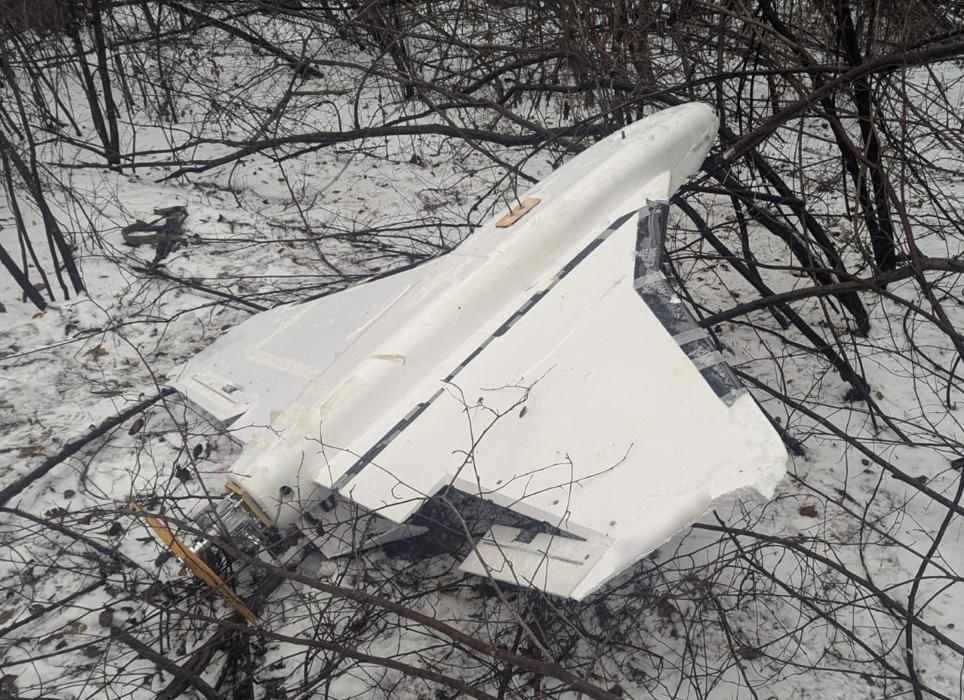
Recent Ukrainian drone incursions into Baltic airspace have increased regional tensions and raised new concerns about NATO security near Russia’s borders. The incidents come as Ukraine intensifies long-range drone attacks against Russian energy infrastructure, particularly Baltic ports responsible for a significant share of Russia’s oil and gas exports.
Lithuania, Latvia, and Estonia confirmed that several drones entering their airspace were Ukrainian, but officials argue that Russian electronic warfare systems likely disrupted the drones’ navigation. Russia and Ukraine continue to rely heavily on jamming and spoofing technology to interfere with enemy aircraft and missile systems during the ongoing conflict.
The Baltic nations, all strong supporters of Ukraine and NATO members, rejected Russian claims that they are assisting Kyiv in launching attacks from their territory. Estonian Foreign Minister Margus Tsahkna accused Moscow of attempting to divide Western allies and pressure Ukraine into halting its drone operations.
Security concerns have grown after a NATO fighter jet intercepted and destroyed a suspected Ukrainian drone in Estonian airspace on May 19. Lithuanian lawmakers also briefly took shelter after another drone approached Vilnius. Officials warned that even unintended drone incidents could threaten civilian safety and expose weaknesses in regional air defense systems.
Lithuanian defense authorities stated that the growing sophistication of Ukrainian drone warfare has increased risks along NATO’s eastern border. Some drones reportedly crossed into Baltic territory undetected, fueling criticism over insufficient air defense preparedness. In Latvia, political pressure intensified after the prime minister blamed defense failures for inadequate protection measures.
Ukraine denied allegations that it intentionally uses Baltic airspace as a shield against Russian retaliation. Ukrainian officials instead accused Russia of deliberately redirecting drones toward neighboring NATO countries through electronic interference.
Analysts warn that continued drone incidents could trigger dangerous misunderstandings between NATO and Russia. Despite heightened rhetoric from Moscow, Baltic officials maintain that Russia’s statements are mainly intended to intimidate Western allies while masking difficulties in countering Ukraine’s expanding drone capabilities.







